Birding the Talamanca Highlands

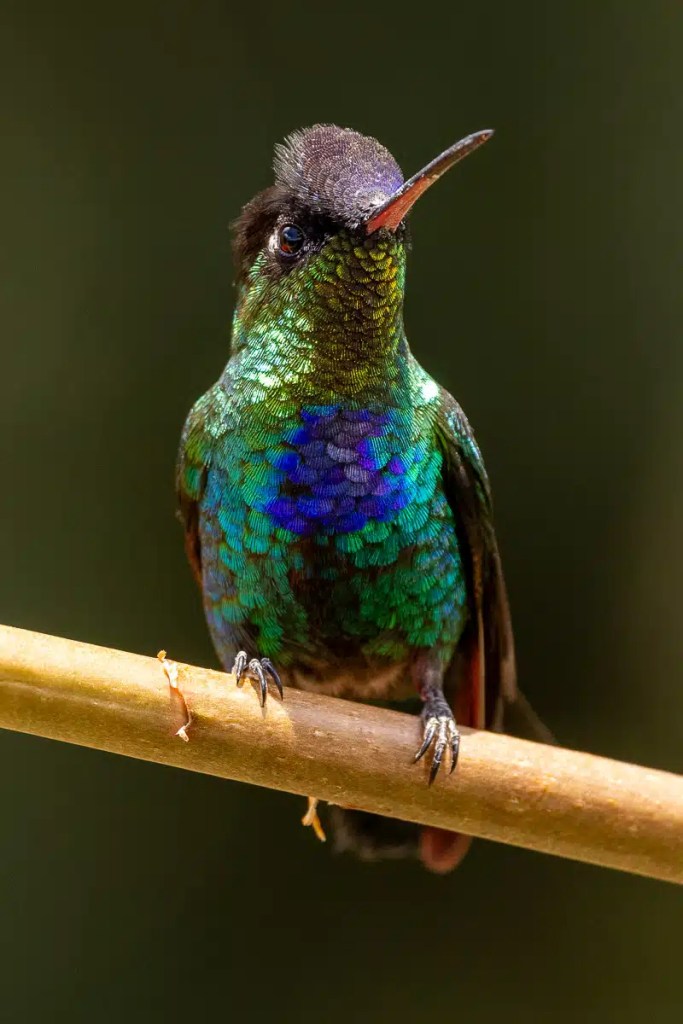
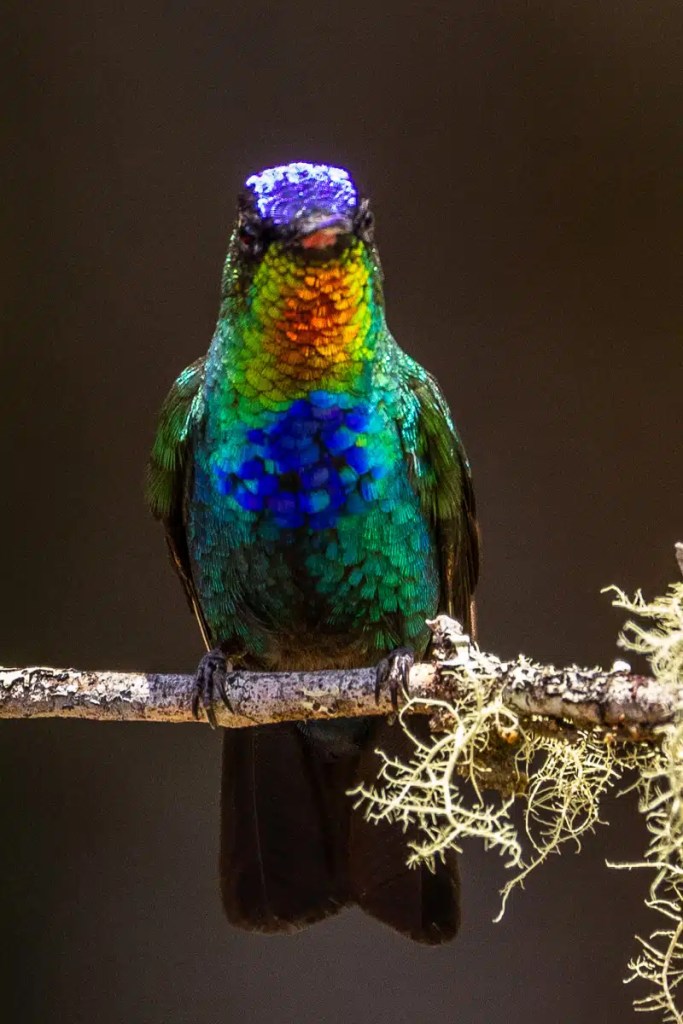
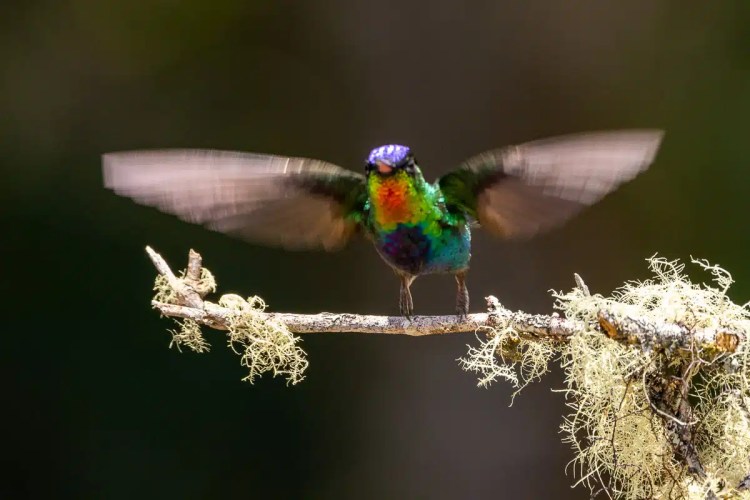
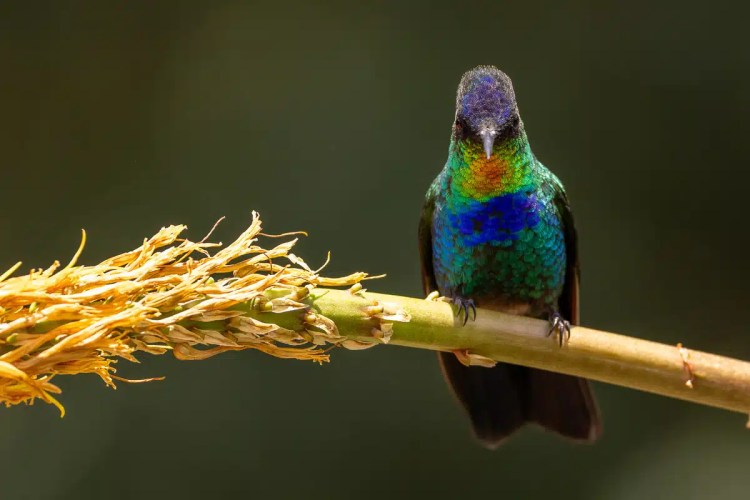
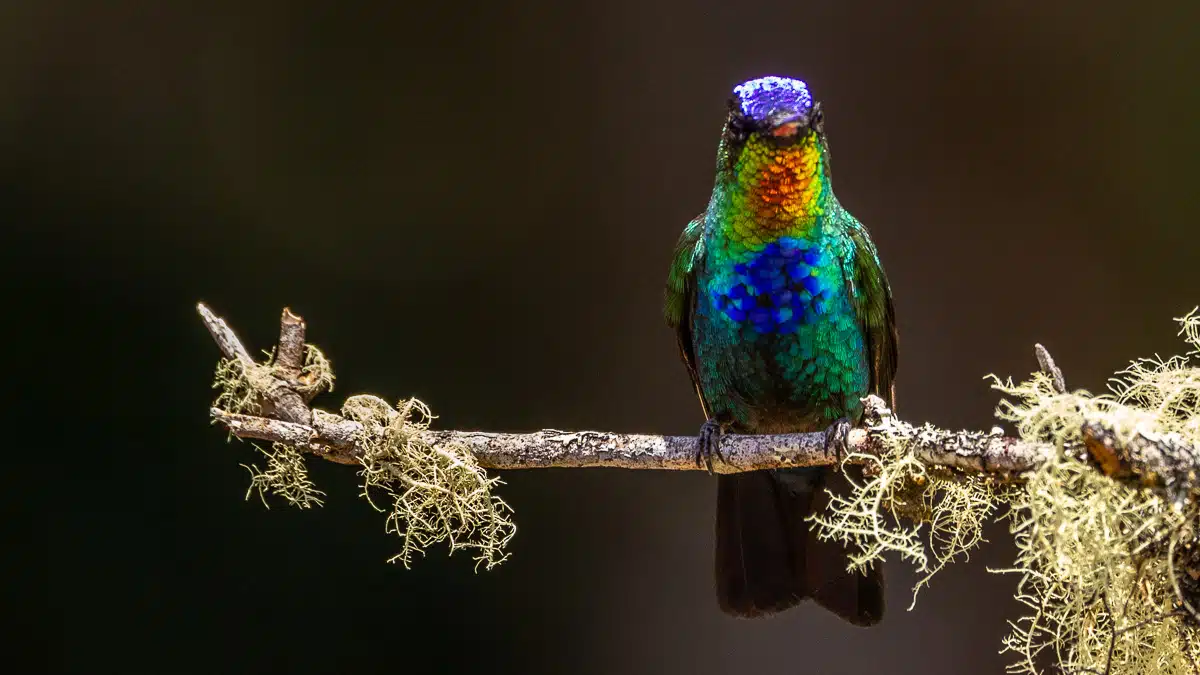
Fiery-throated hummingbird perched on a lichen-covered branch in the Talamanca Highlands.

Moving on through the natural wonderland of Costa Rica we have moved into the Talamanca Mountains and the area around Los Quetzales National Park and the San Gerado D’ota Valley. These mountains which form the southern spine of Costa Rica and continue into Panama have a high number of regional endemics, birds only found here and we hoped to find as many as possible in a day and a half birding.

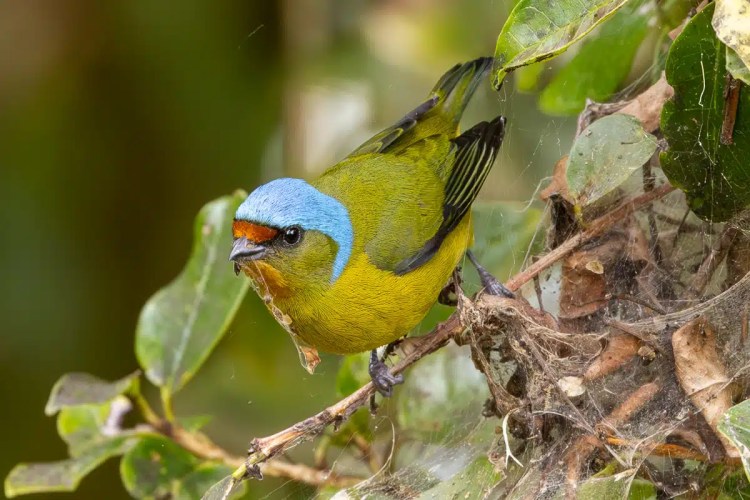
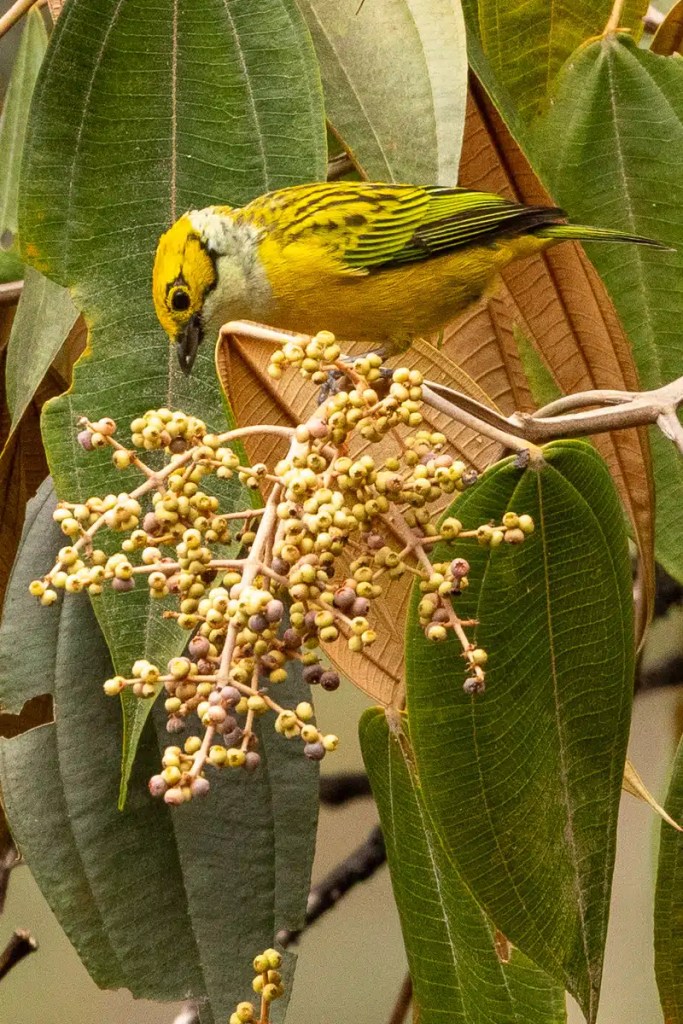
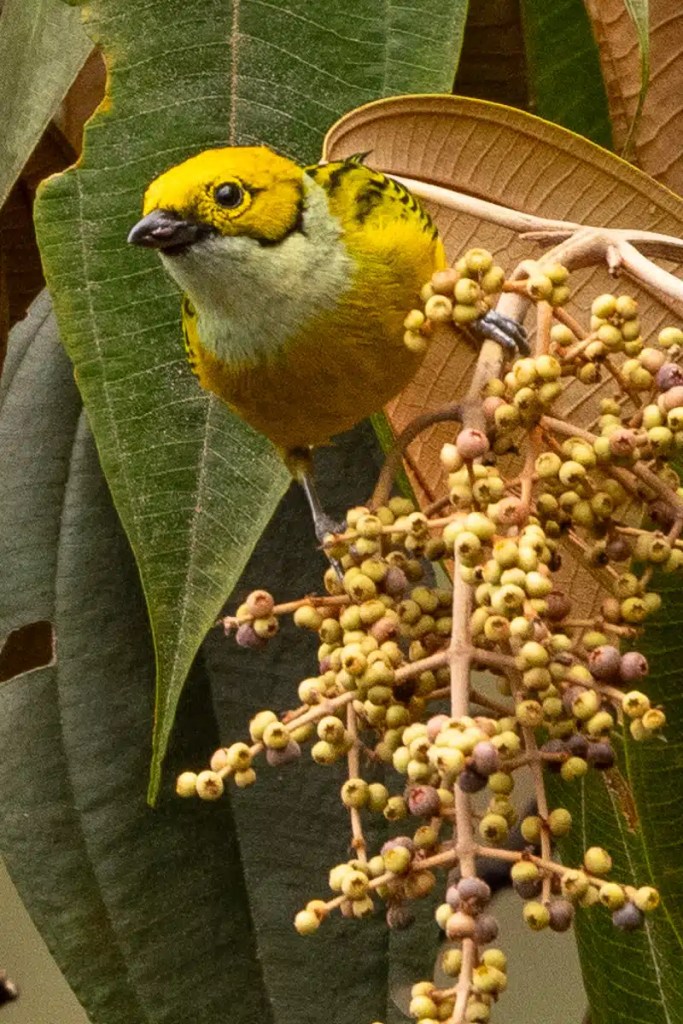
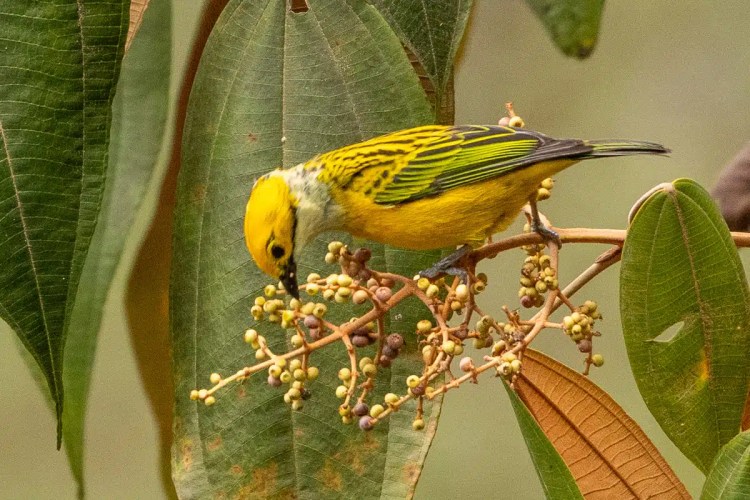
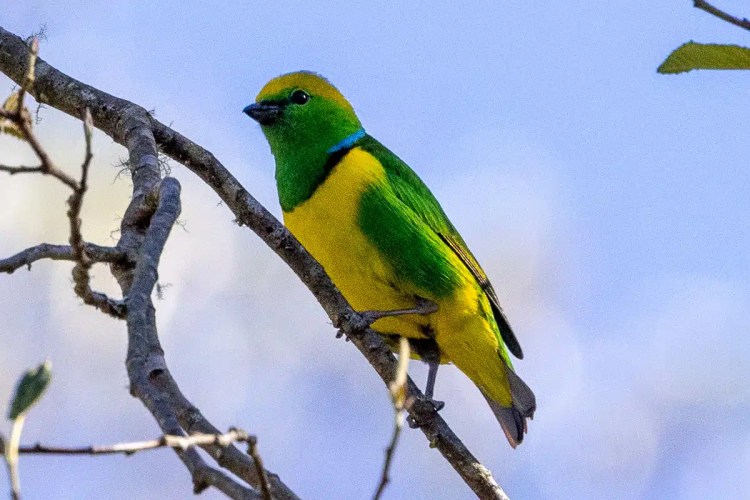
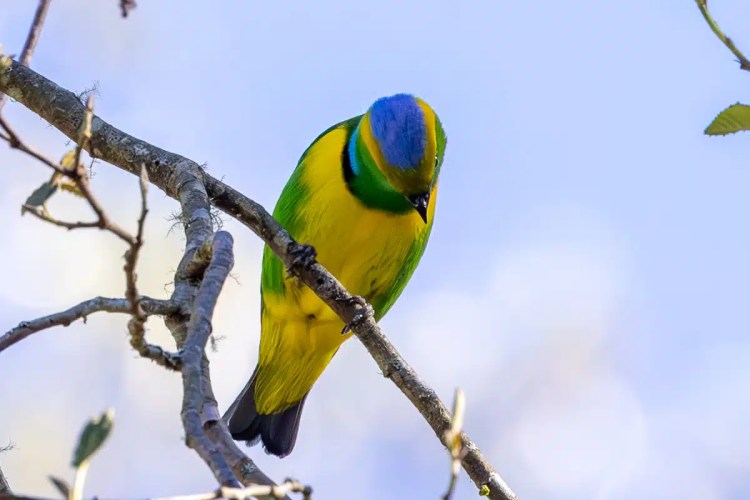
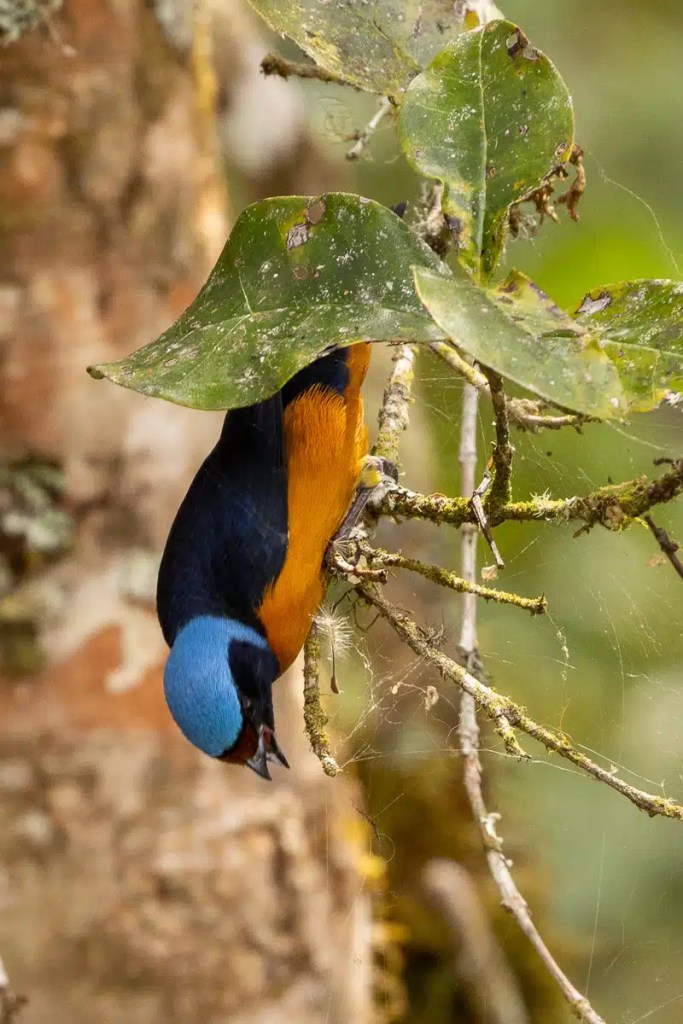
We arrived at our lodge after lunch and at just over 2000m we wanted to see some of the lower altitude range highland birds. Just birding from our lodge balcony we added several lifers, the wonderful Elegant Euphonia, the tiny Volcano Hummingbird, the numerous Silver-throated Tanager and the Nimble Tree Runner, A really good start to our time in the area.
  • Small, round warbler with yellow and white plumage perched on a mossy branch.
  • Snow bunting bird foraging for food in the snow. Black and white plumage visible.
  • Snow bunting bird foraging for food in the snow. Black and white plumage visible.
  • Snow bunting bird foraging for food in the snow. Black and white plumage visible.
  • Snow bunting bird foraging for food in the snow. Black and white plumage visible.
  • Snow bunting bird foraging for food in the snow. Black and white plumage visible.
  • Snow bunting bird foraging for food in the snow. Black and white plumage visible.
  • Snow bunting bird foraging for food in the snow. Black and white plumage visible.
  • Snow bunting bird foraging for food in the snow. Black and white plumage visible.
  • Snow bunting bird foraging for food in the snow. Black and white plumage visible.
  • Snow bunting bird foraging for food in the snow. Black and white plumage visible.

Paradise Quetzal Lodge

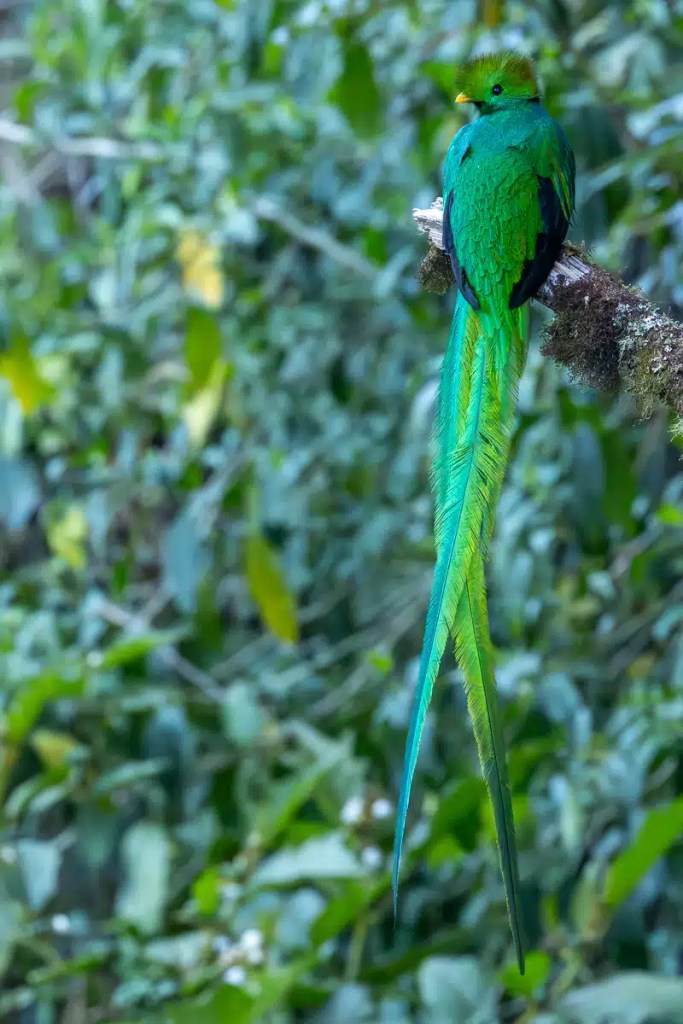
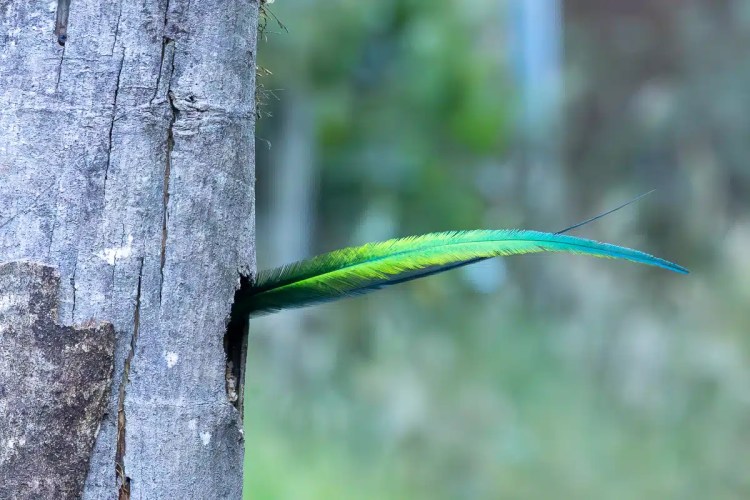
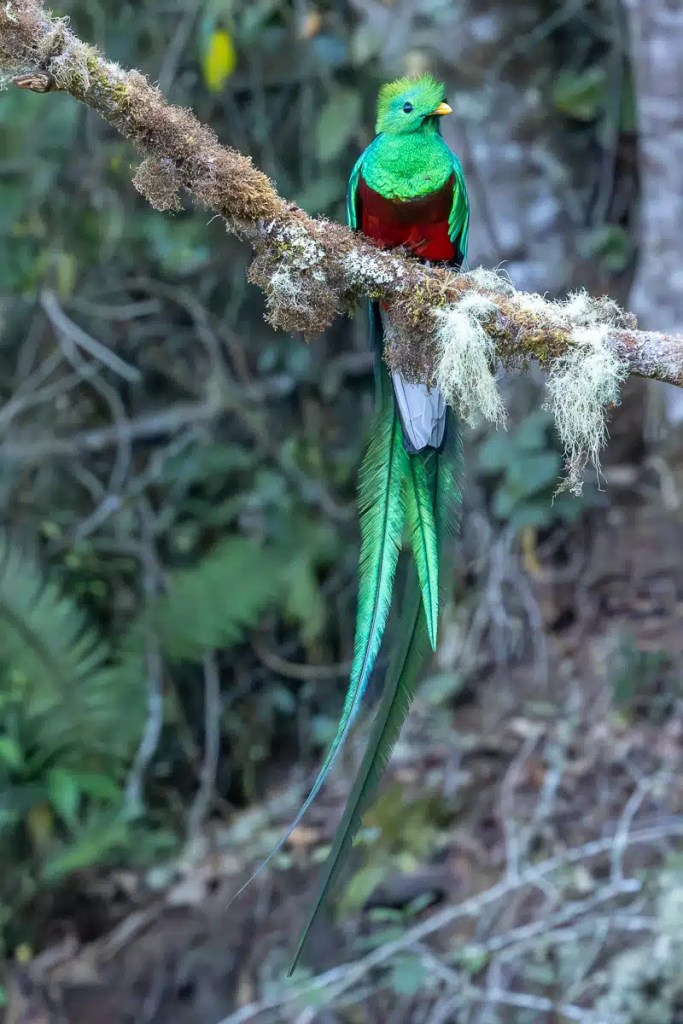
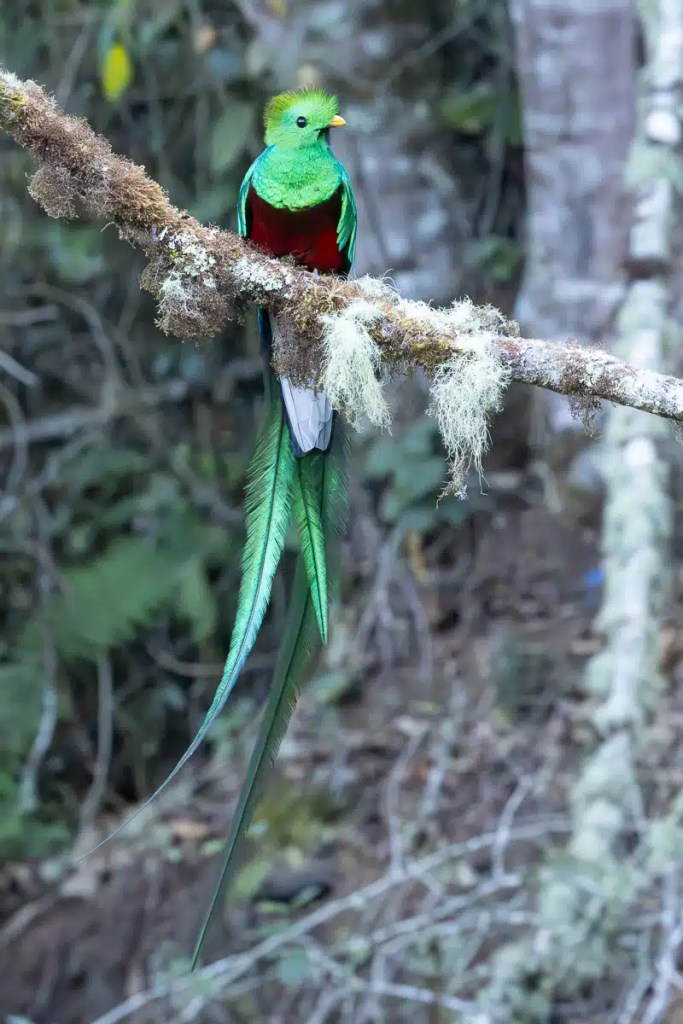
The next morning began with the alarm at 4.45 and a 45 minute drive to the Paradise Quetzal Lodge where we had booked one of their guides for the morning. First David took us to a viewpoint for the Resplendent Quetzal where a pair were excavating a nest.
  • Osprey perched on a large stick nest in a tree, suitable for Highland birding.
  • Osprey perched on a large stick nest in a tree, suitable for Highland birding.
  • Osprey perched on a large stick nest in a tree, suitable for Highland birding.
  • Osprey perched on a large stick nest in a tree, suitable for Highland birding.
  • Osprey perched on a large stick nest in a tree, suitable for Highland birding.
  • Osprey perched on a large stick nest in a tree, suitable for Highland birding.

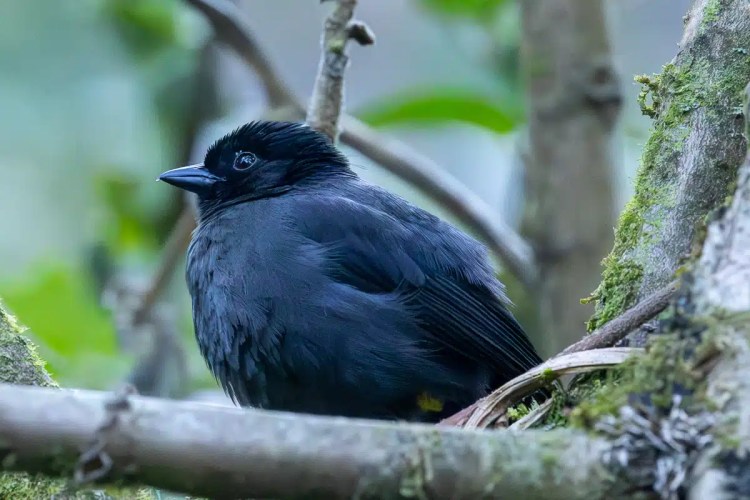
After 10 minutes enjoying this amazing bird which we had already seen in Guatemala and Monteverde we started looking around for other birds and were pleased to find a Yellow-thighed Brushfinch annoyingly hiding its yellow-thighs when I took a couple of pics. Climbing up a brief trail we added Spotted Wood-Quail too.
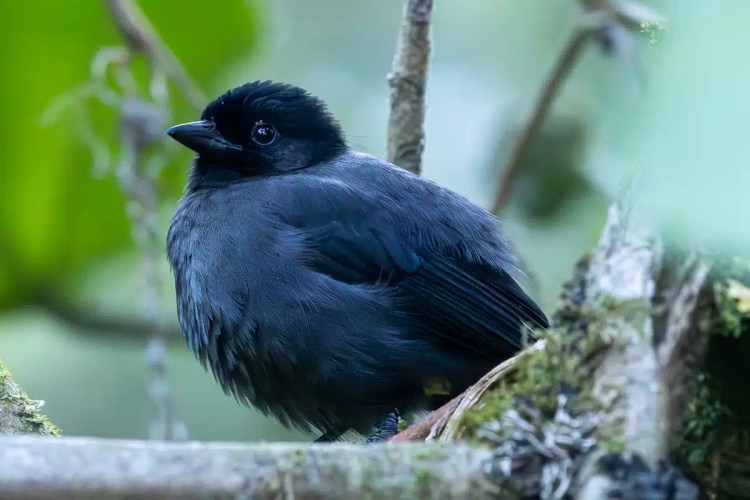
  • Osprey perched on a large stick nest in a tree, suitable for Highland birding.
  • Osprey perched on a large stick nest in a tree, suitable for Highland birding.

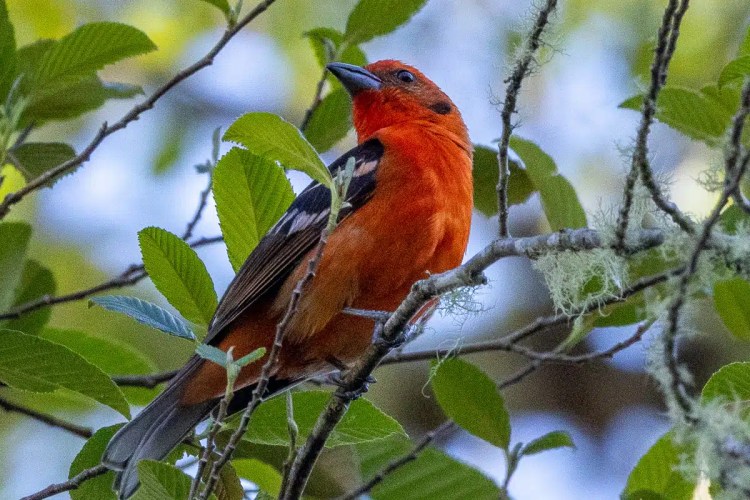
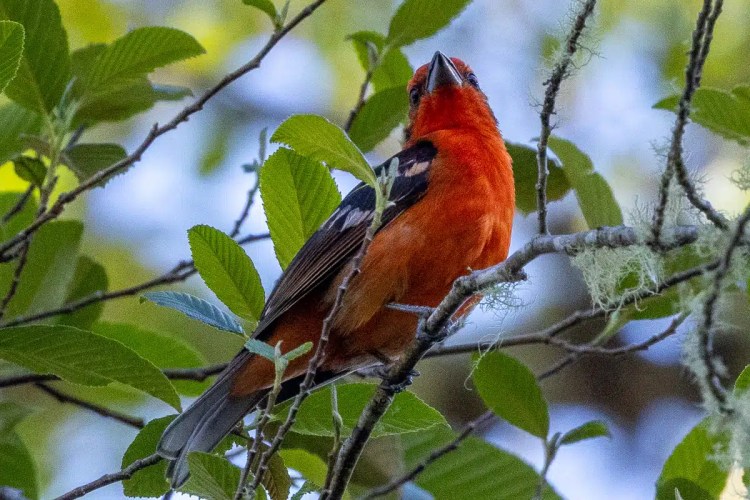
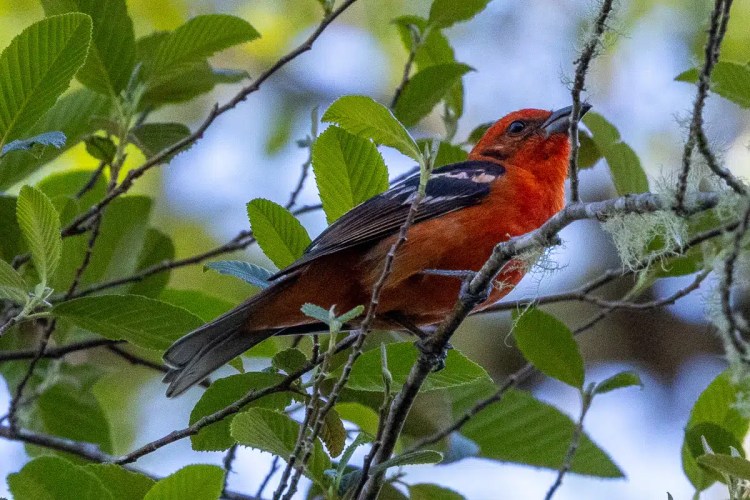
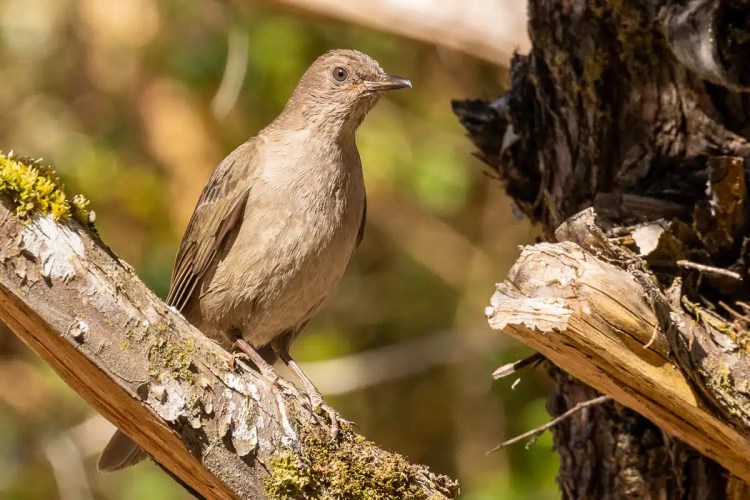
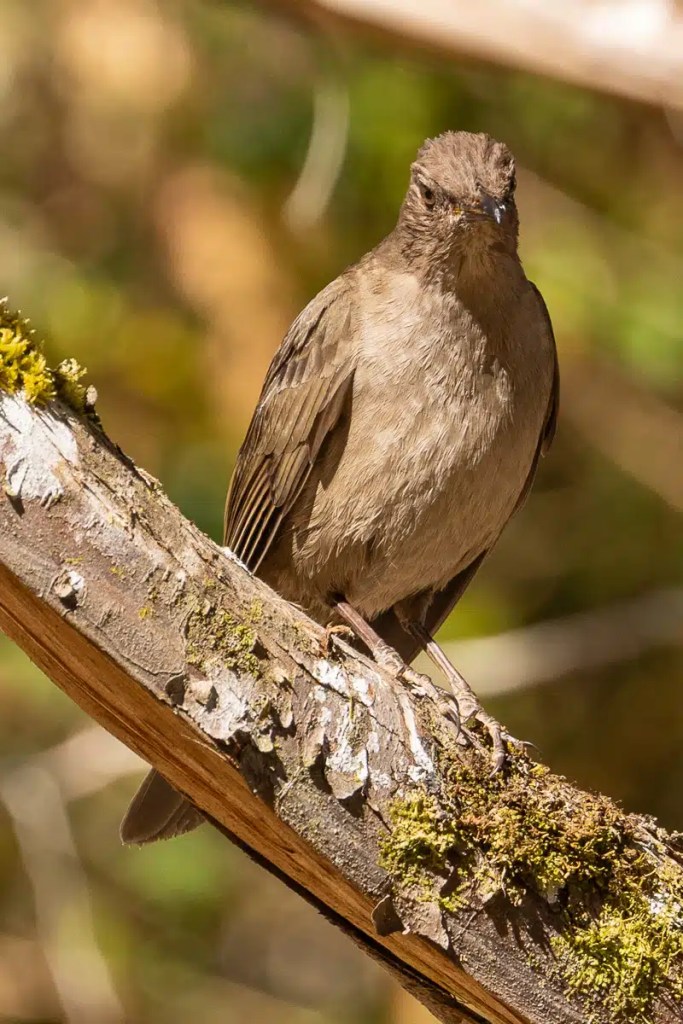
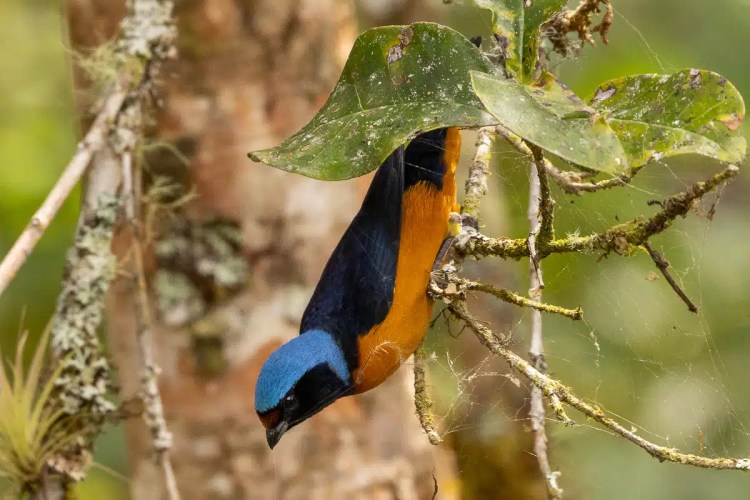
Moving on to a part of a nearby small village we spend some time looking for Yellow-winged Vireo and Black-capped Flycatcher eventually finding both. This provided time to photograph the Long-tailed Silky Flycatcher, Flame-Coloured Tanager (lifer) and Costa Rica’s national bird the understated (visually anyway) Clay Coloured Thrush.

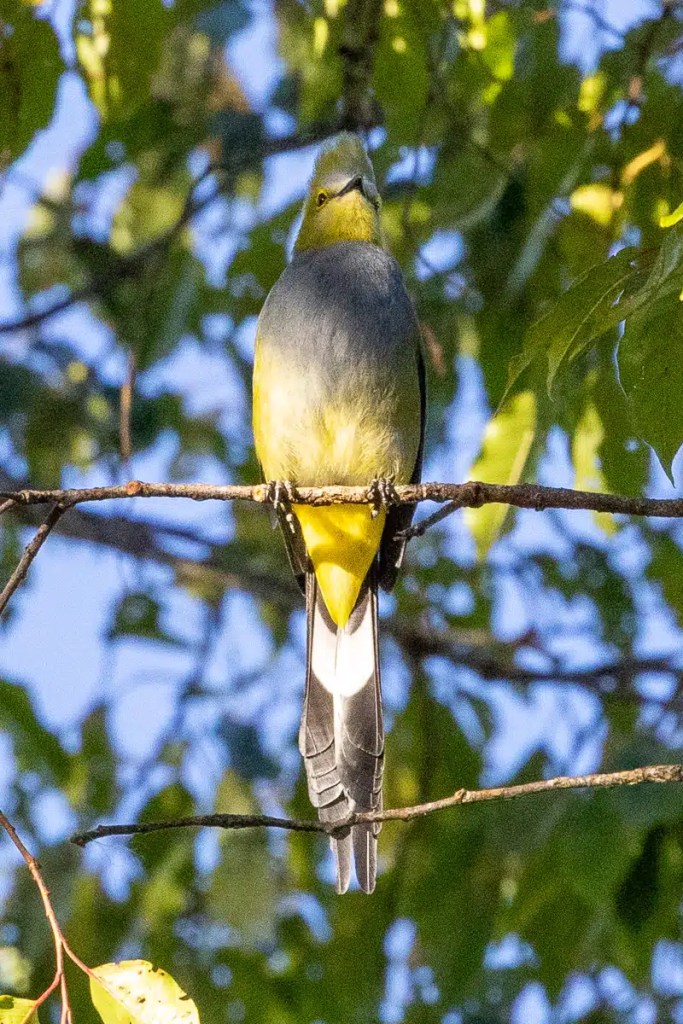
  • Osprey perched on a large stick nest in a tree, suitable for Highland birding.
  • Osprey perched on a large stick nest in a tree, suitable for Highland birding.
  • Two brown hares in a grassy field, one looking directly at the camera.
  • Two brown hares in a grassy field, one looking directly at the camera.
  • Two brown hares in a grassy field, one looking directly at the camera.
  • Two brown hares in a grassy field, one looking directly at the camera.
  • Two brown hares in a grassy field, one looking directly at the camera.
  • Two brown hares in a grassy field, one looking directly at the camera.
  • Two brown hares in a grassy field, one looking directly at the camera.

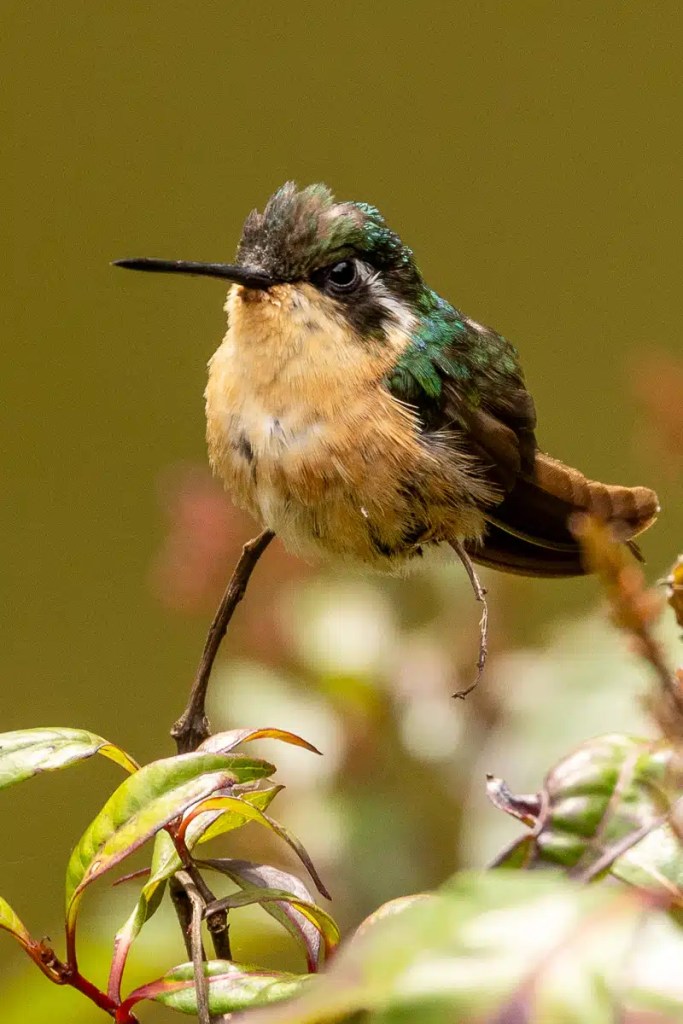
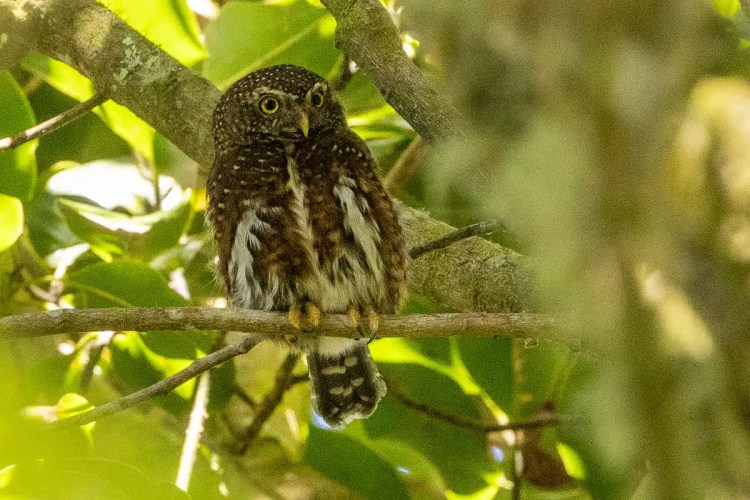
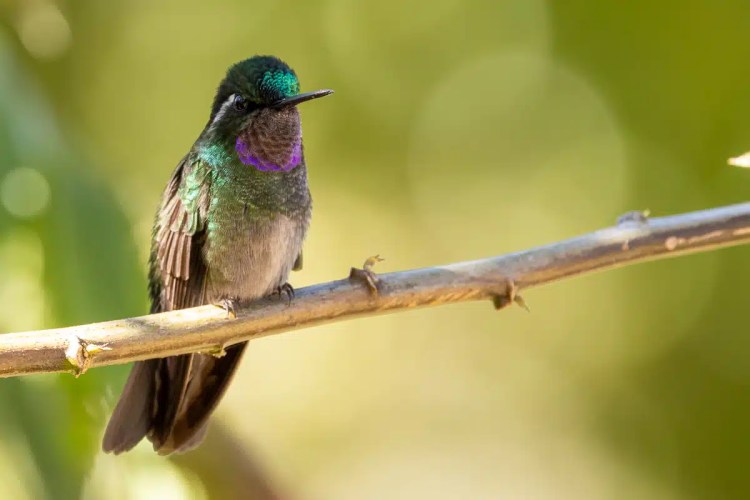
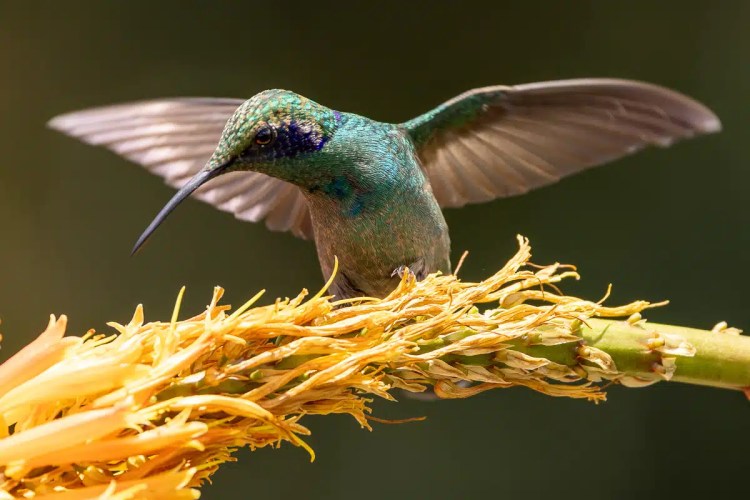
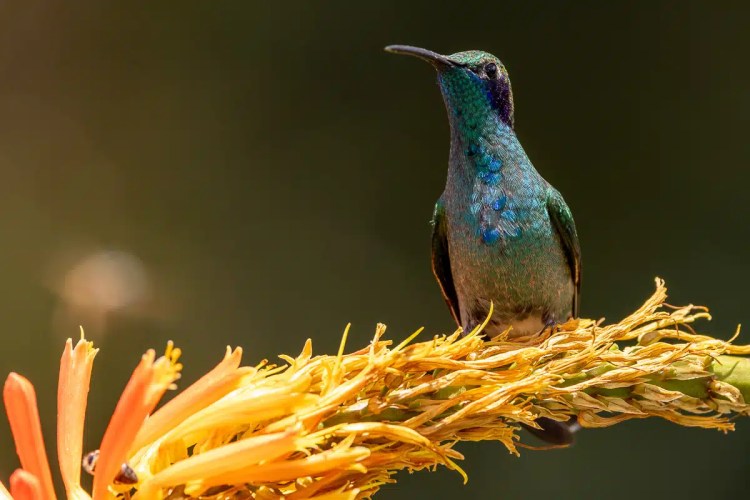
We tried one more place hoping for woodcreepers but instead we found a much rarer bird – the Costa Rican Pygmy Owl. We heard it for a long time before seeing it and took about 20 minutes trying to track it down before I eventually spotted it to the relief of our guide. I also took a couple of pictures of a hummingbird which offered brief views. I only ID’d the bird back at the lodge from the photos as the Purple-throated Mountain Gem – interestingly eBird doesn’t think it is in this area.
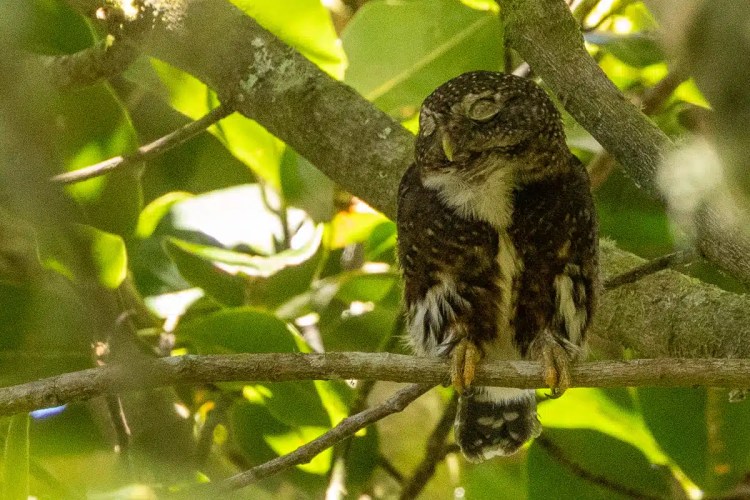
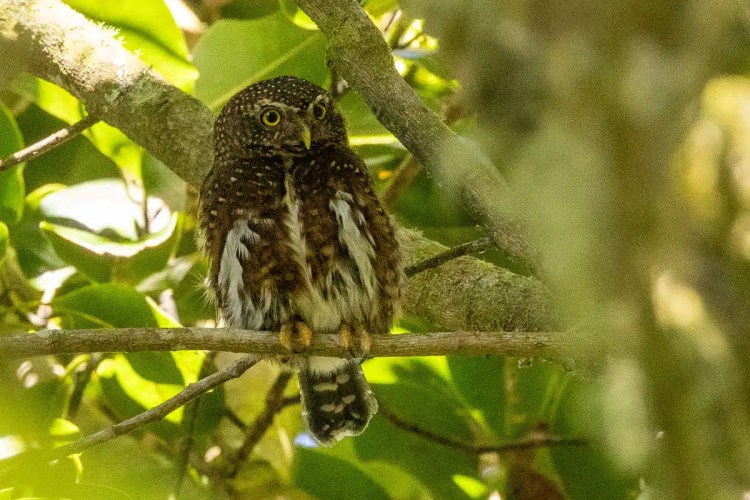
  • Two brown hares in a grassy field, one looking directly at the camera.
  • Gannet colony nesting on a cliffside, part of Highland birding in May.
  • Gannet colony nesting on a cliffside, part of Highland birding in May.
  • Two brown hares in a grassy field, one looking directly at the camera.
  • Two brown hares in a grassy field, one looking directly at the camera.

Finally we returned to the Lodge itself and the day was warming up and the birds quietening down. However, our guide really knew this area well and we were able to add several birds including Black-thighed Grossbeak, Black-cheeked Warbler and Large-footed Finch.
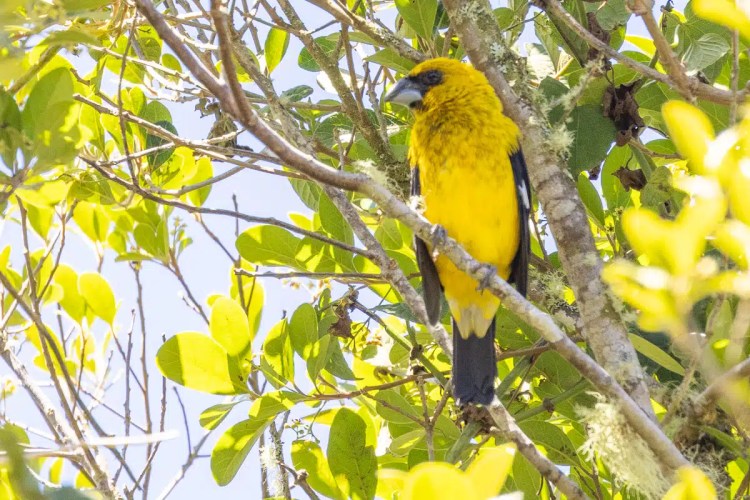
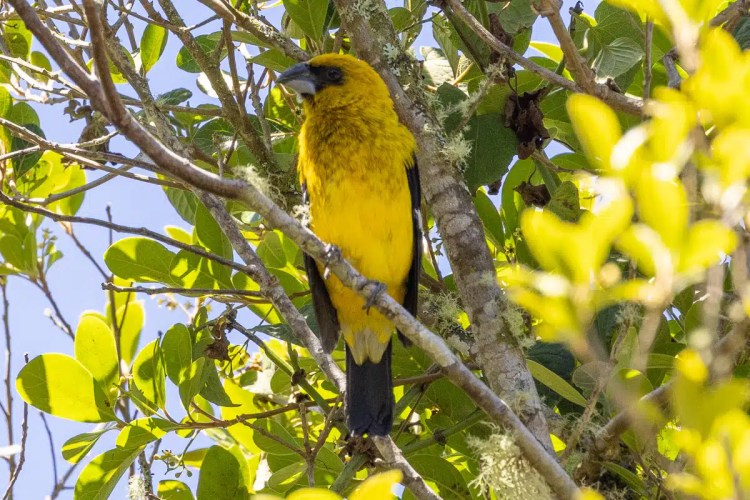
  • Gannet colony nesting on a cliffside, part of Highland birding in May.
  • Gannet colony nesting on a cliffside, part of Highland birding in May.

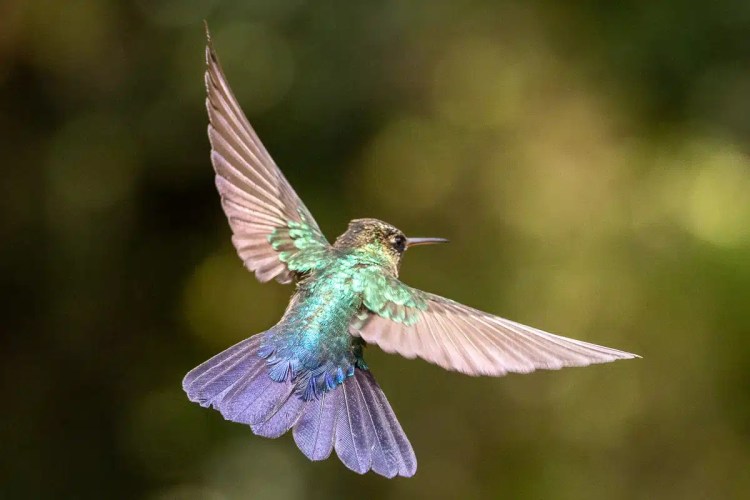
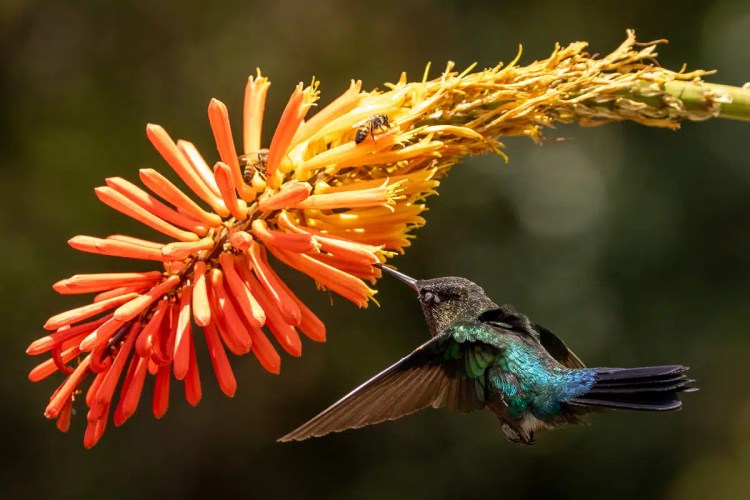
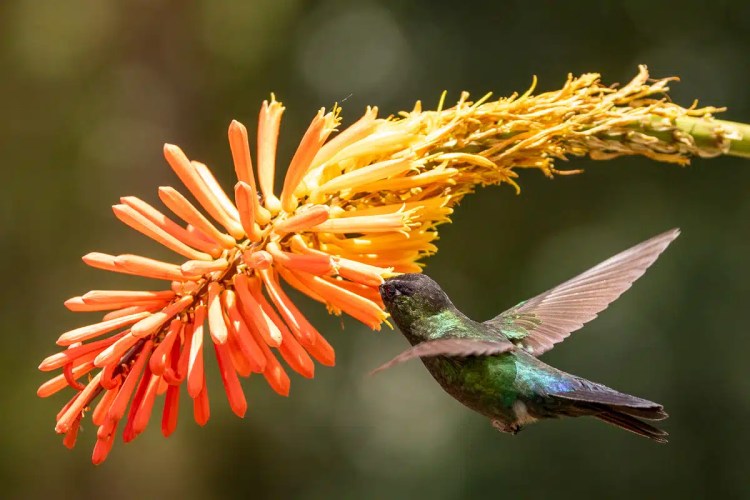
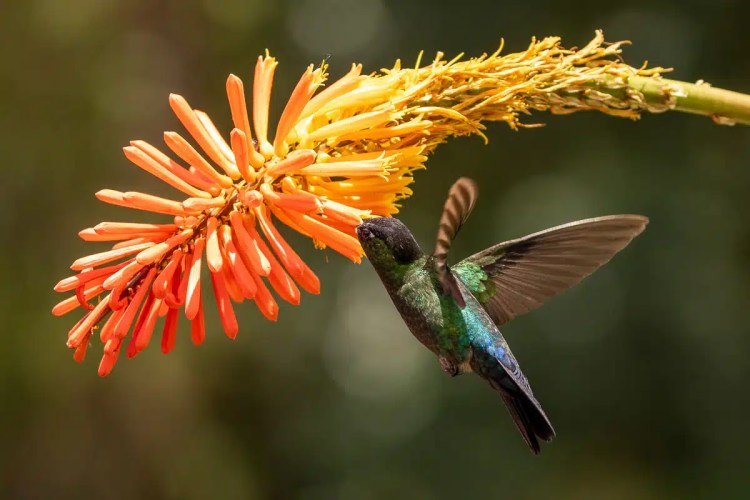
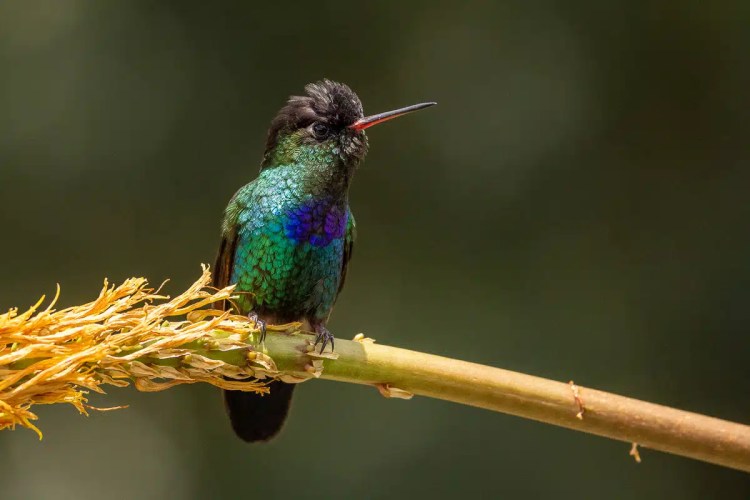
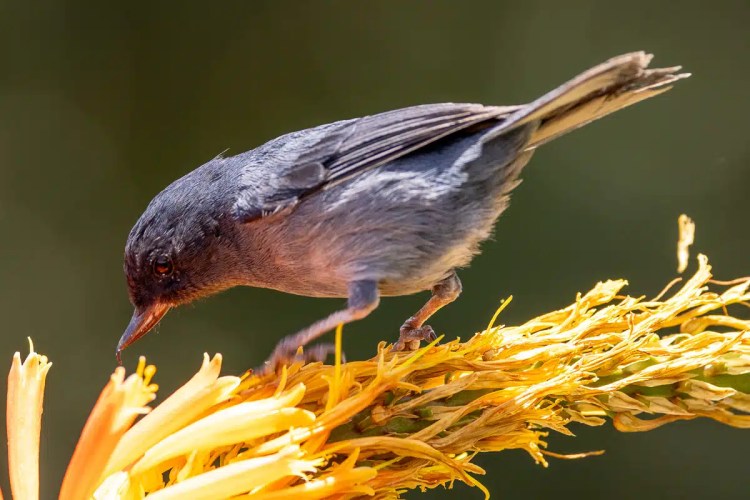
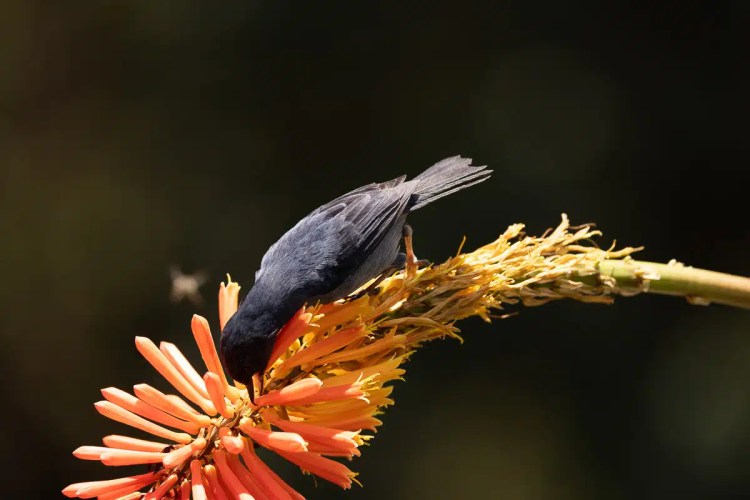
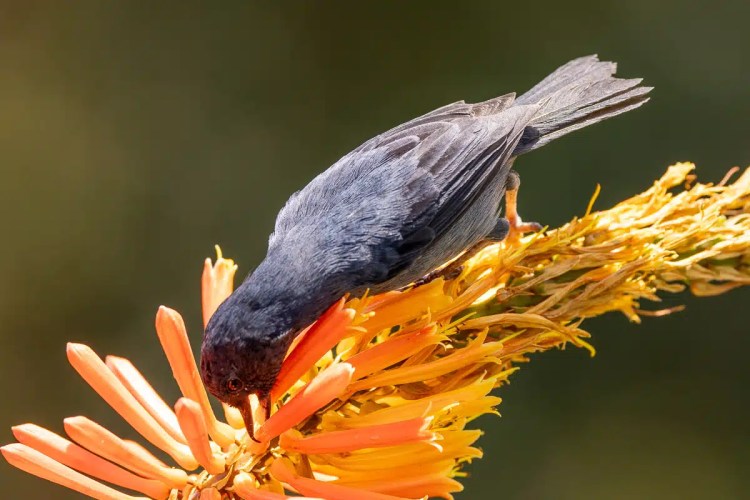
After saying goodbye to the guide we purchased an expensive coffee (US$4 each) and spent a happy half hour at the hummingbird feeders. I focused mainly on the brilliant Fiery-Throated Hummingbird which in a sudden turn of angle could turn from a fairly drab green to a fantastic array of fiery throat and blue chest. A fantastic wee bird. A Slaty Flowerpiercer also put in an appearance demonstrating its feeding technique using its unique bill. Instead of taking nectar from the top of a flower it pierces a hole at the base and drinks its fill.
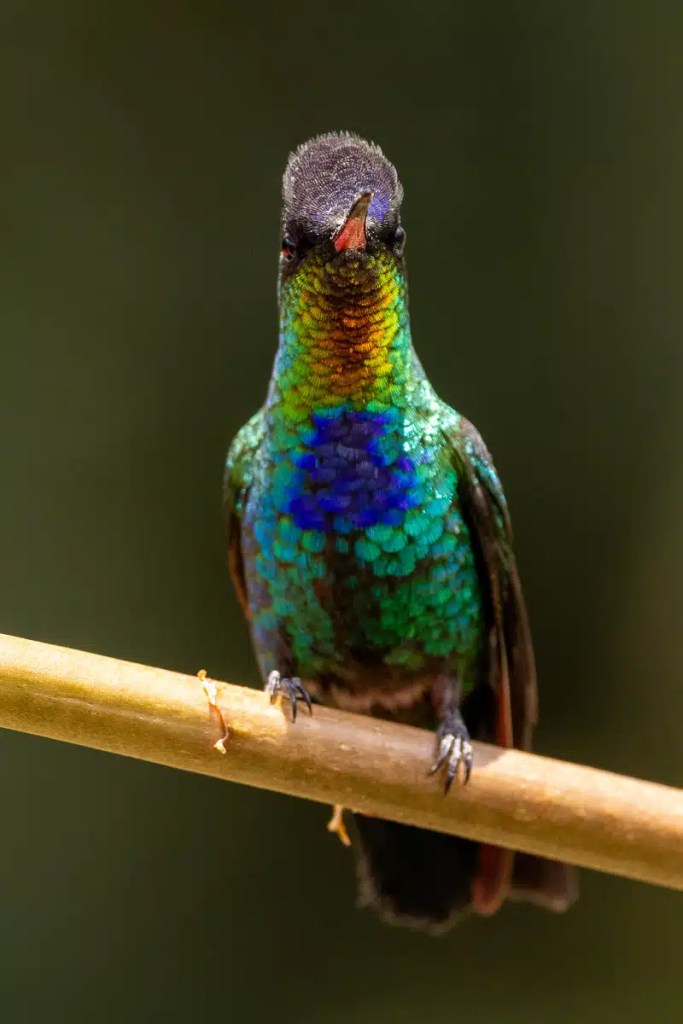
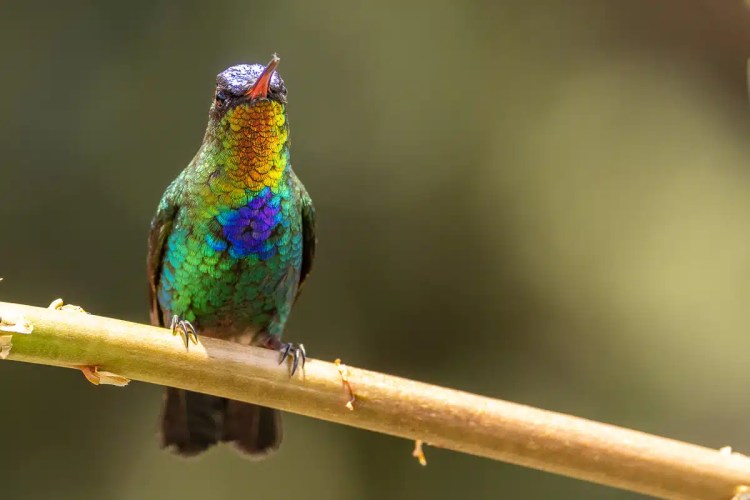
  • Guillemots nesting on a rocky cliff face in the Scottish Highlands. Highland birding.
  • Gannet colony nesting on a cliffside, part of Highland birding in May.
  • Guillemots nesting on a rocky cliff face in the Scottish Highlands. Highland birding.
  • Gannet colony nesting on a cliffside, part of Highland birding in May.
  • Gannet colony nesting on a cliffside, part of Highland birding in May.
  • Guillemots nesting on a rocky cliff face in the Scottish Highlands. Highland birding.
  • Guillemots nesting on a rocky cliff face in the Scottish Highlands. Highland birding.
  • Guillemots nesting on a rocky cliff face in the Scottish Highlands. Highland birding.
  • Guillemots nesting on a rocky cliff face in the Scottish Highlands. Highland birding.
  • Guillemots nesting on a rocky cliff face in the Scottish Highlands. Highland birding.
  • Northern Gannet swimming in the ocean during Highland birding.
  • Guillemots nesting on a rocky cliff face in the Scottish Highlands. Highland birding.
  • Guillemots nesting on a rocky cliff face in the Scottish Highlands. Highland birding.
  • Gannet colony nesting on a cliffside, part of Highland birding in May.
  • Gannet colony nesting on a cliffside, part of Highland birding in May.
  • Gannet colony nesting on a cliffside, part of Highland birding in May.
  • Guillemots nesting on a rocky cliff face in the Scottish Highlands. Highland birding.

Altogether added another 28 lifers here the vast majority being restricted range regional endemics. Trip total now 485. Next we are off to the legendary Osa Peninsula.

Black bird in flight, "Wild Scot" text. Scottish Wildlife Photos.

Discover more from WildScot Photography

Subscribe to get the latest posts sent to your email.

Published by Michael Cook

Wildlife Photographer based in Scotland

One thought on “Birding the Talamanca Highlands

Leave a Reply

Your email address will not be published. Required fields are marked *

**Commentor's URL Will be Followed