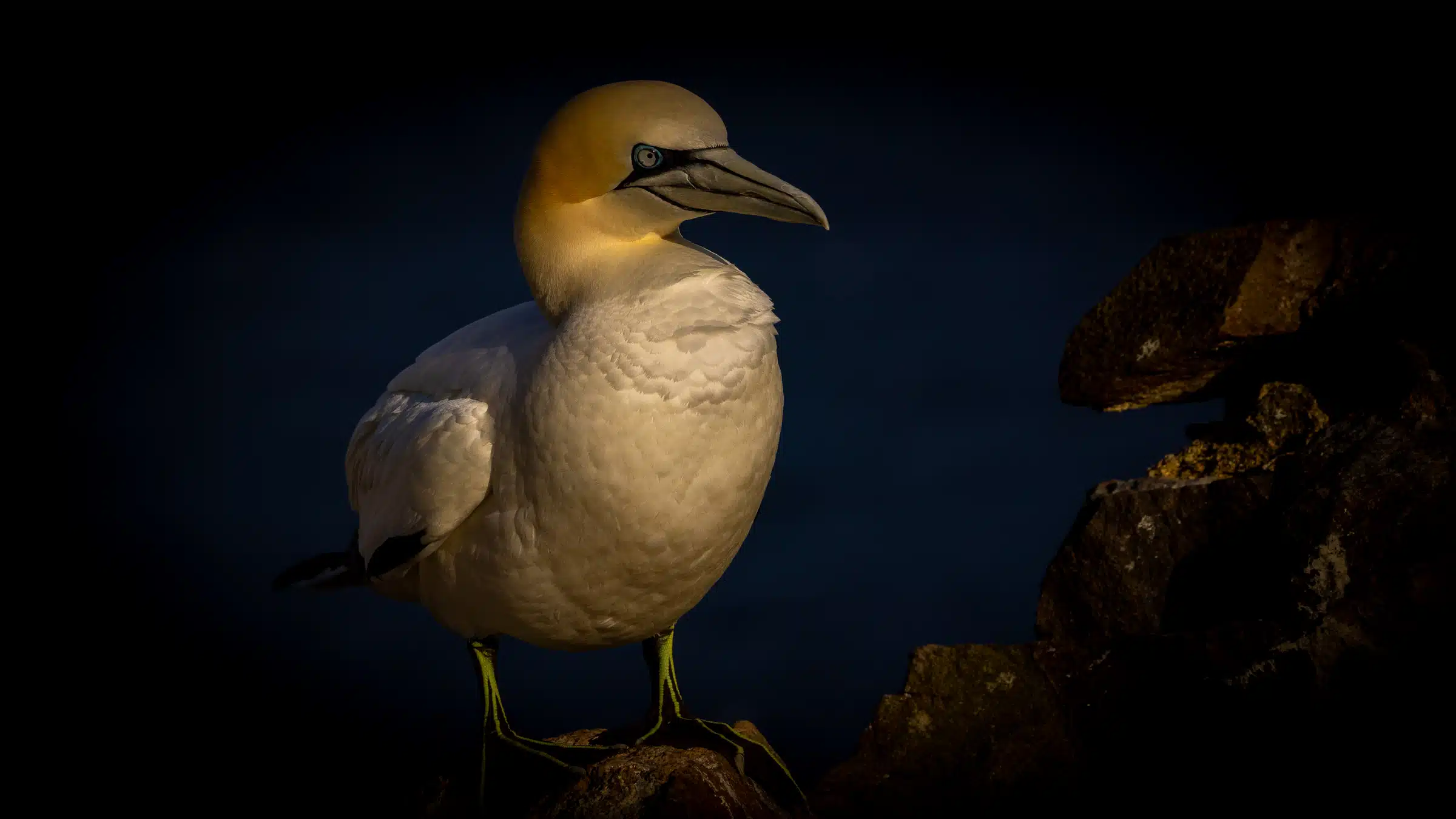
On Tuesday afternoon and evening I took a boat trip landing on Bass Rock from North Berwick and was privileged to be able to land this time. I was keen to spend some time photographing one subject – Gannets – and try a few different styles of more creative shots.
Altogether I had 3 hours landing on Bass Rock. It is estimated that there have been 150,000 Gannets on Bass Rock in recent years albeit this is down a bit sadly due to bird flu. It was wonderful and overwhelming to be among so many birds with activity in every direction.
When given the luxury of plenty of time with a subject I use a simple mnemonic SPARKED to encourage myself to take different types of shots:
- S = Shutter Speed – consider a more creative shot with a slow shutter speed.
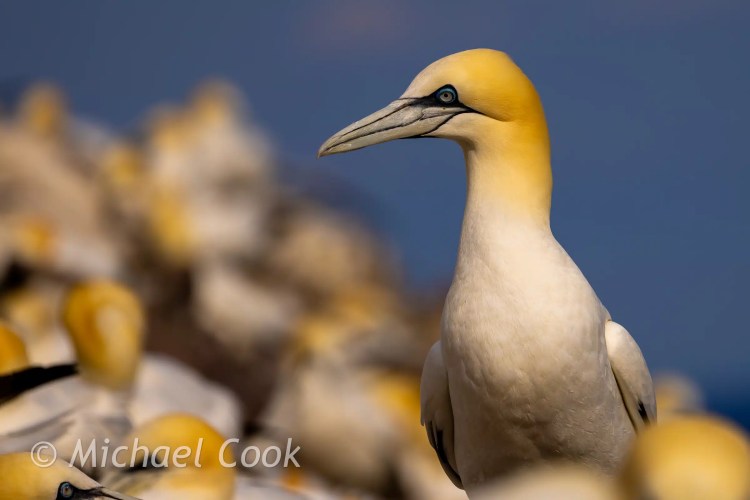
- P = Portrait, typically a close up showing the bird in the majority of the frame.
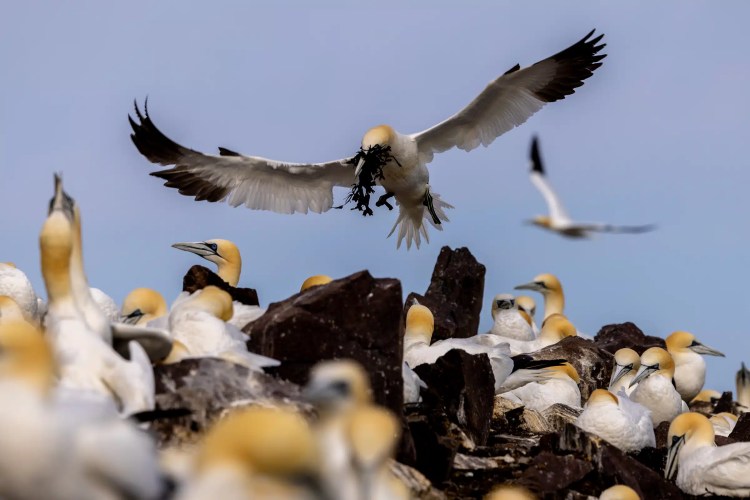
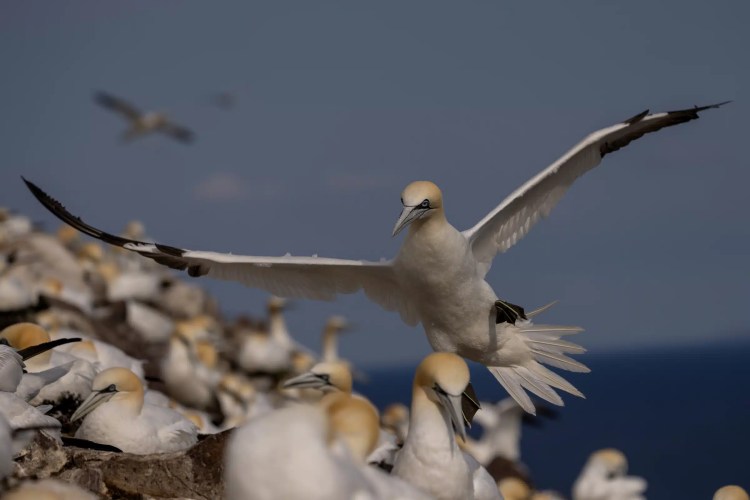
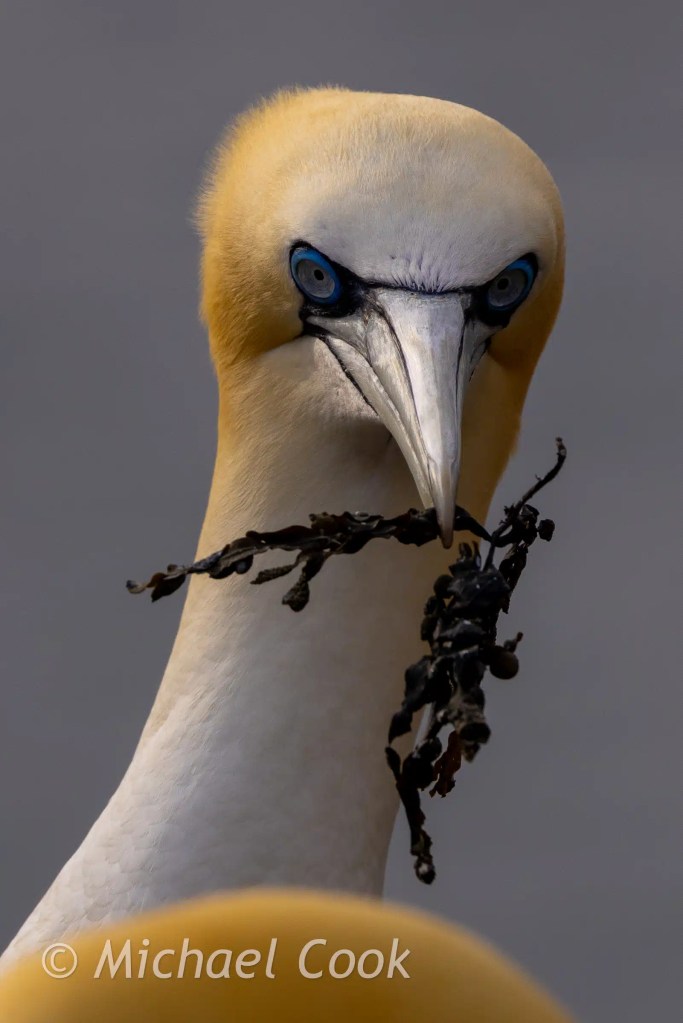
- A = Action, showing the bird doing something, carrying seaweed, landing or taking off, eating etc
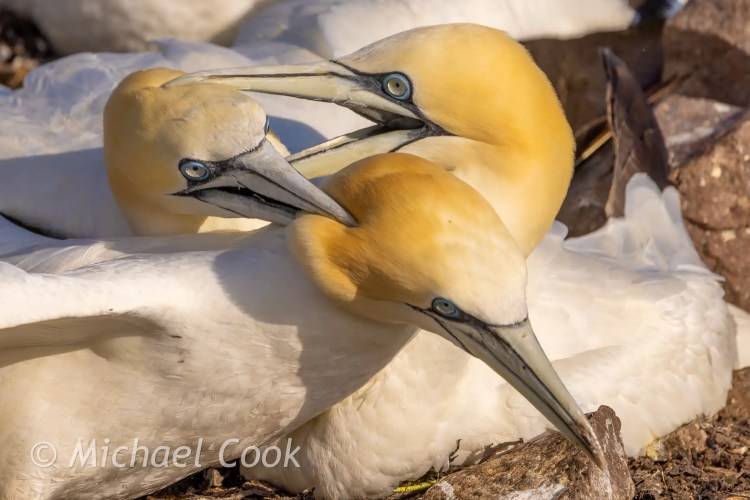
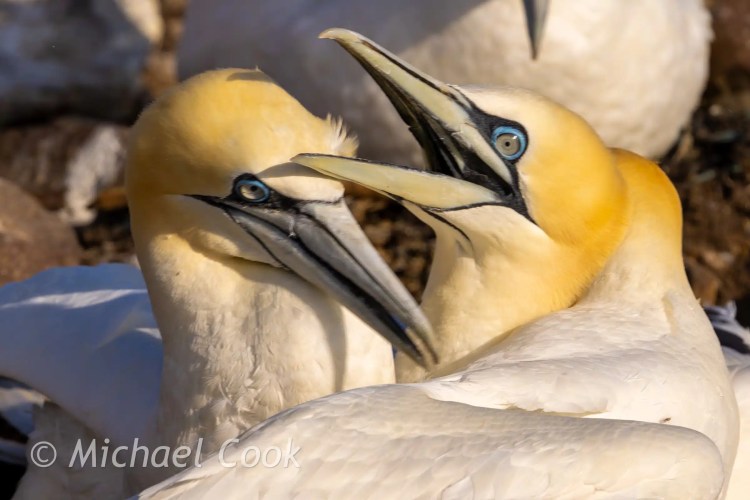
- R = Relationships, taking a photo which shows the subject in a relationship with another, this can be predator/prey, parent/juvenile or a pair of Gannets bill touching to reaffirm their bond.
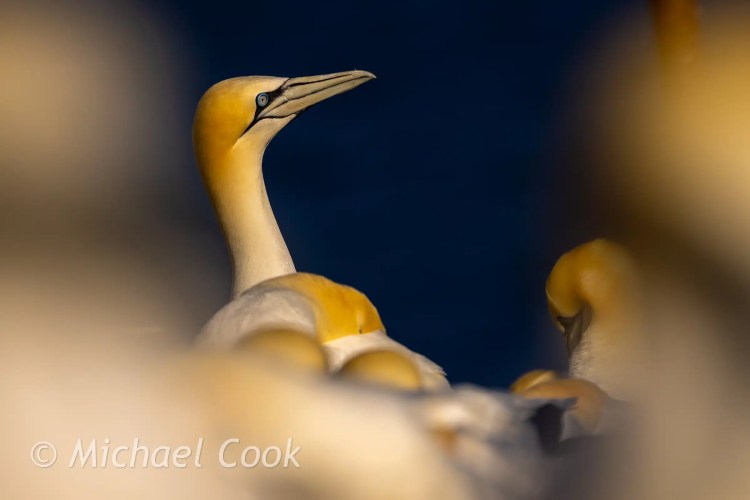
- K = Key, this stands for taking Hi-Key (very light) or Low-Key (very dark) exposure shots. This is particularly appropriate with light or dark subjects but not exclusively.
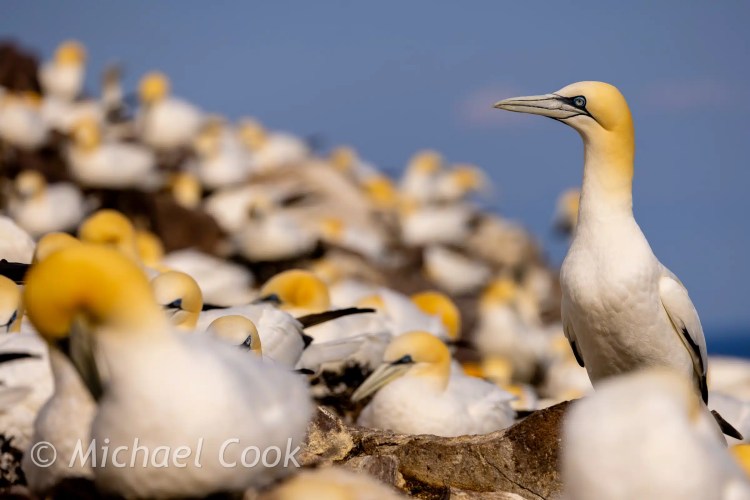
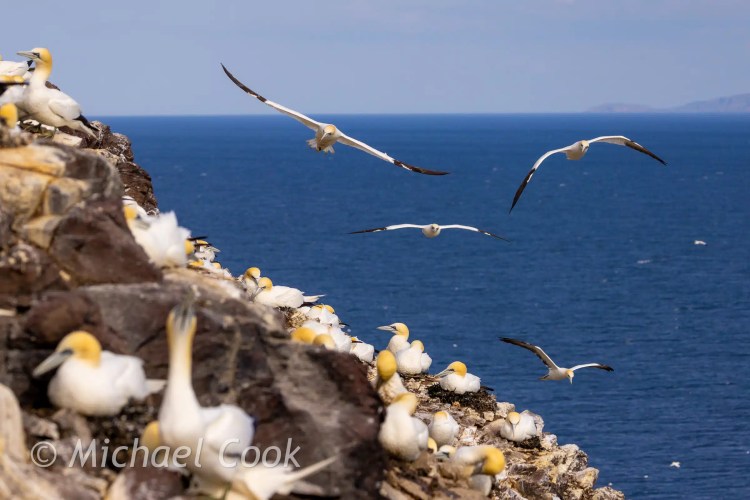
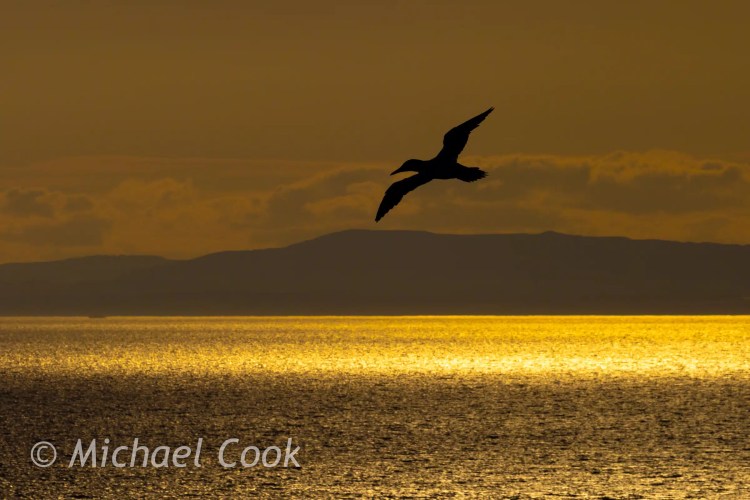
- E = Environment, trying to show the subject in its environment, ie Gannets all over the rock itself
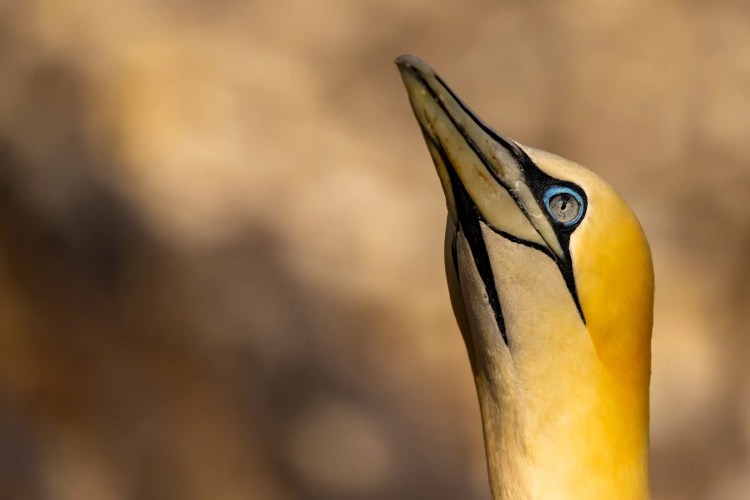
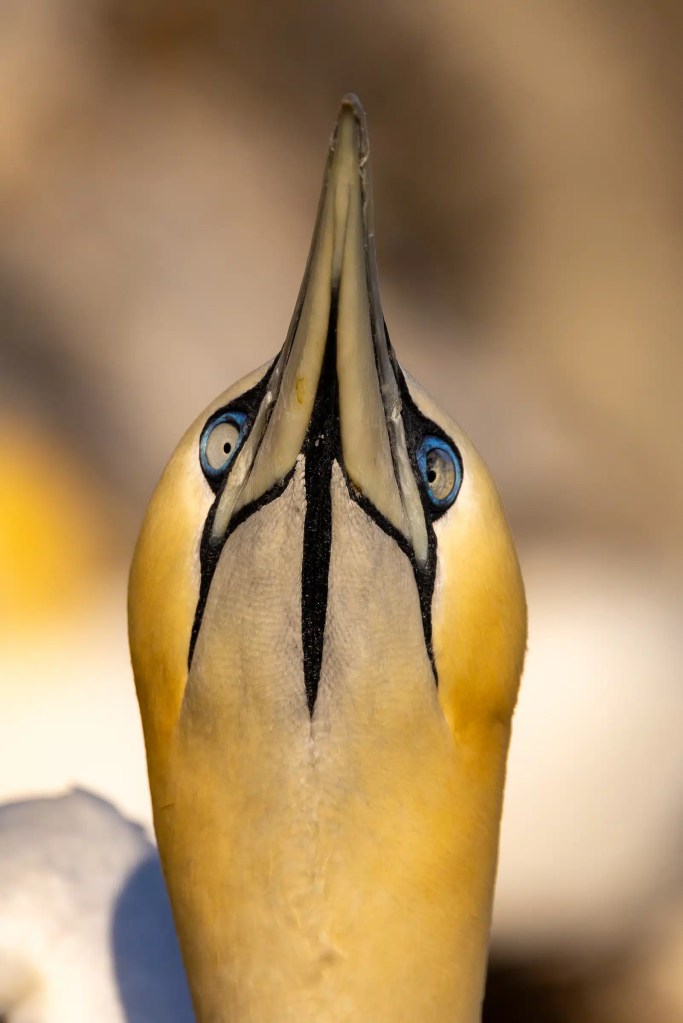
- D = Detail, try to focus on something simple like a Gannet’s eye or Head
(noted I used to use DAPER but added the two creative options of Slow Shutter Speed and Low/High Key shots). I will share some of my photos under each heading.
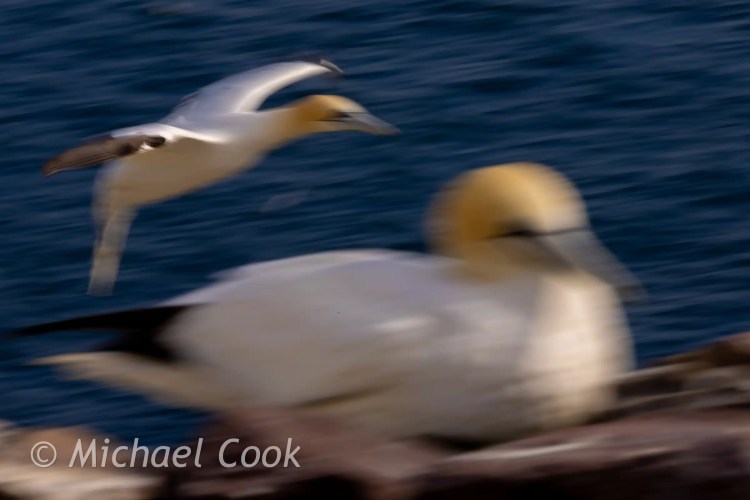
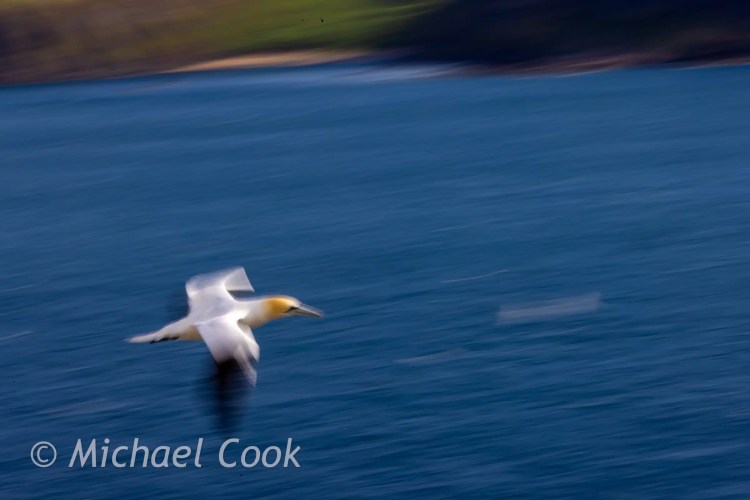
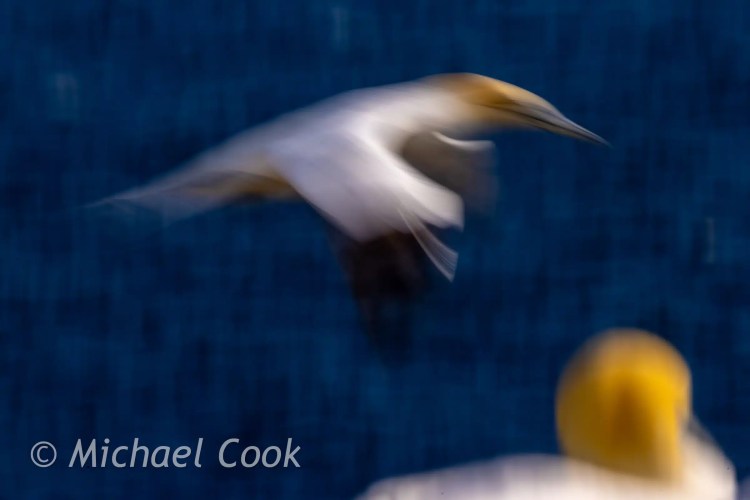
S = Slow Shutter Speed
I took several photos with a slow shutter speed typically 1/20 – 1/60 of a second. This is very much a “marmite” photo style and also a bit hit and miss but it is worth persevering and seeing what you get. The key is to blur the shot to suggest movement but not so much that you cannot recognise the subject.

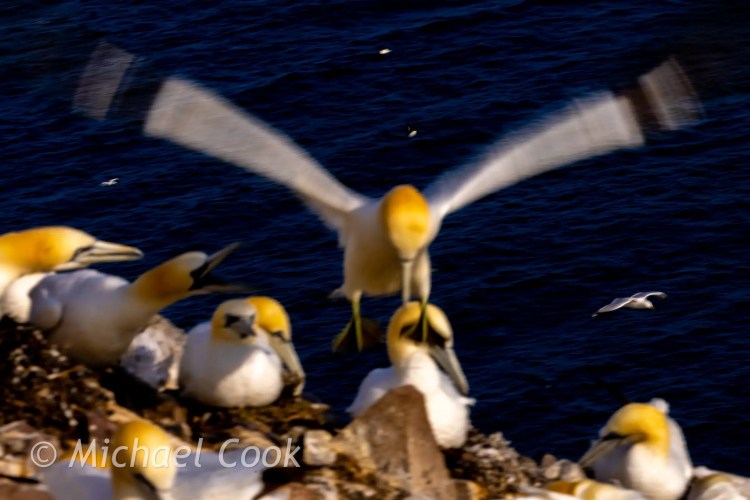
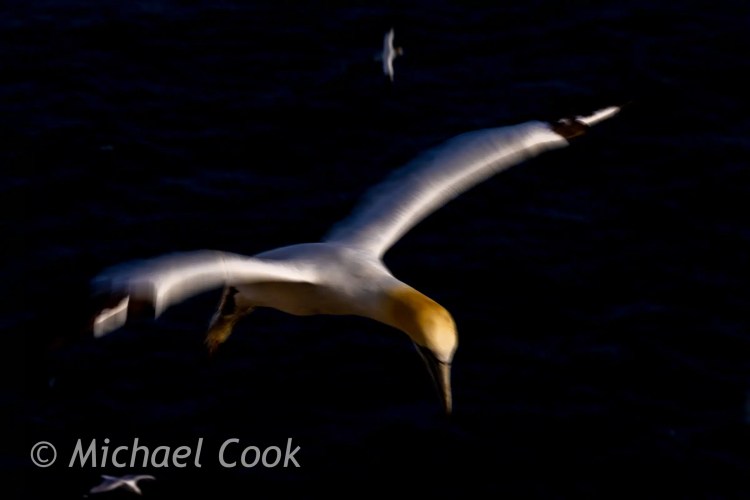
P = Portrait
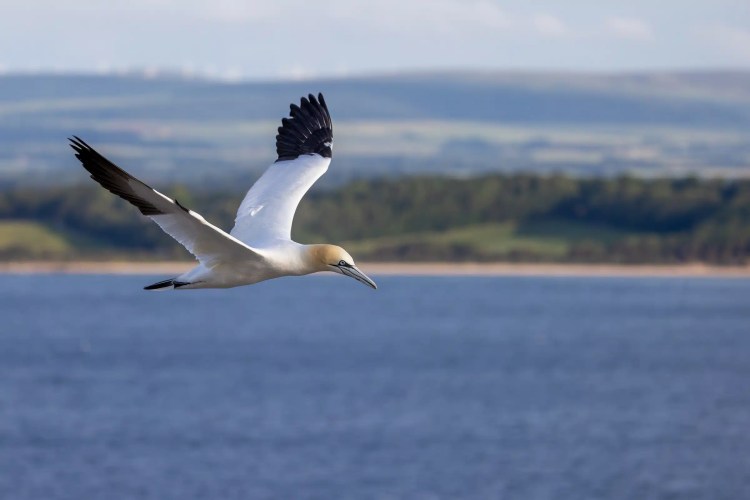
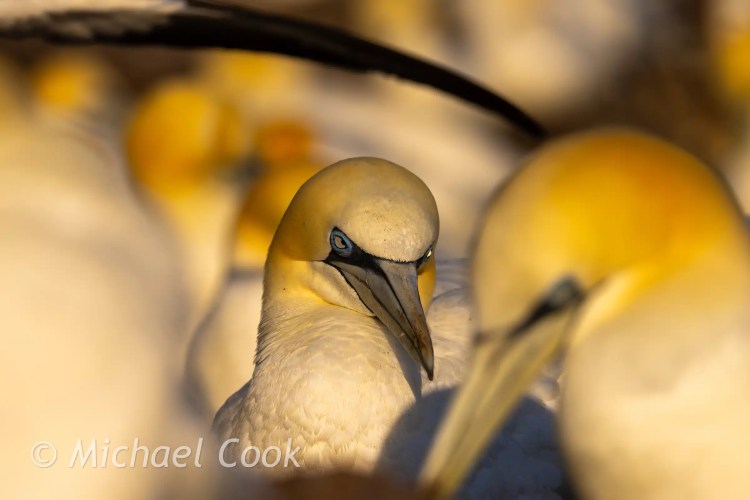
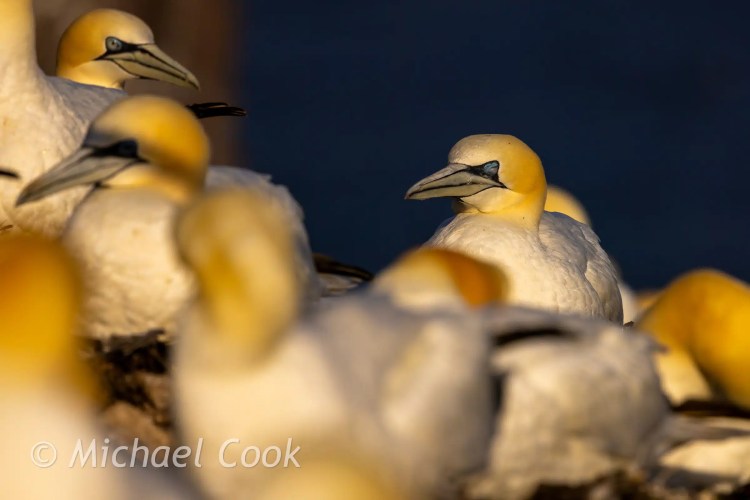
To be honest this is the only type of photo I used to take. Here there was a lot more option to play with creative backgrounds with all the other Gannets, sky and sea available. And also to try different ways of clearly identifying the subject.


A = Action
The advantage of Landing on Bass Rock is that you have time close to the birds. There were some Gannets fighting on occasion and this provided a good opportunity to capture the action. Other obvious actions were birds coming into land or take off.

R = Relationships
The main relationship on display was between pairs. Chicks were around but were tiny and hidden under their parents most of the time. But Gannet’s pair for life and it was good to see them affirming their bonds via bill jousting and preening each other.

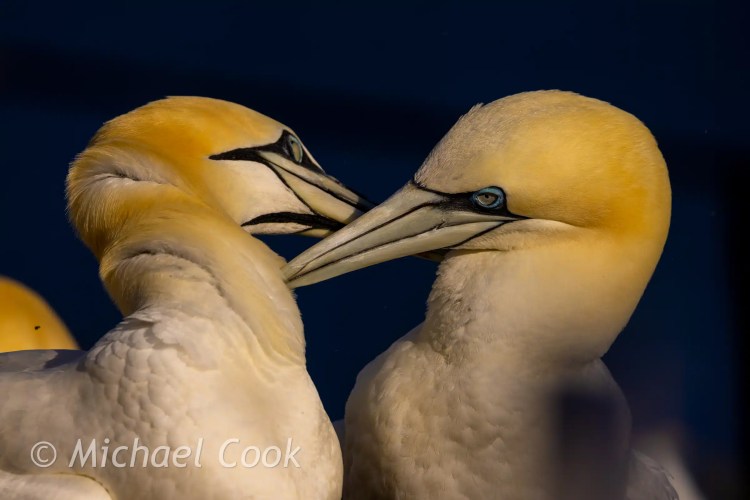
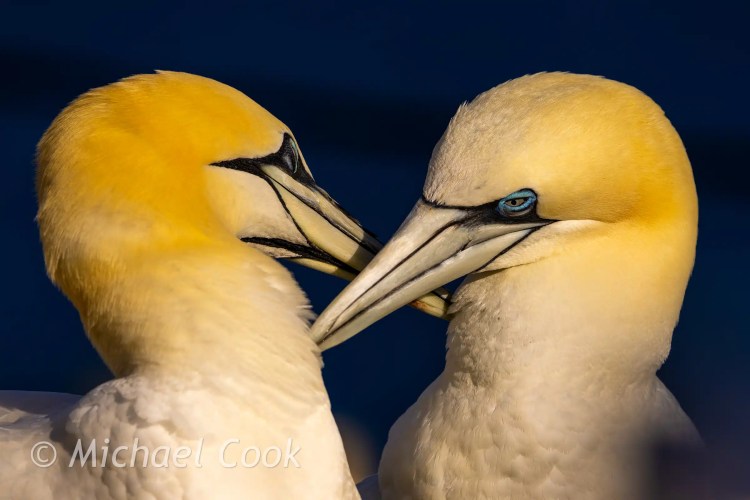
K – Key (Low or High Key)
It was very sunny so High Key shots were not really going to work – it would be too easy to blow my highlights. So instead I went for Low Key shots. I have to give credit to Paul McDougall who encouraged me to try deliberately under exposing shots. This is a technique which is growing on me.
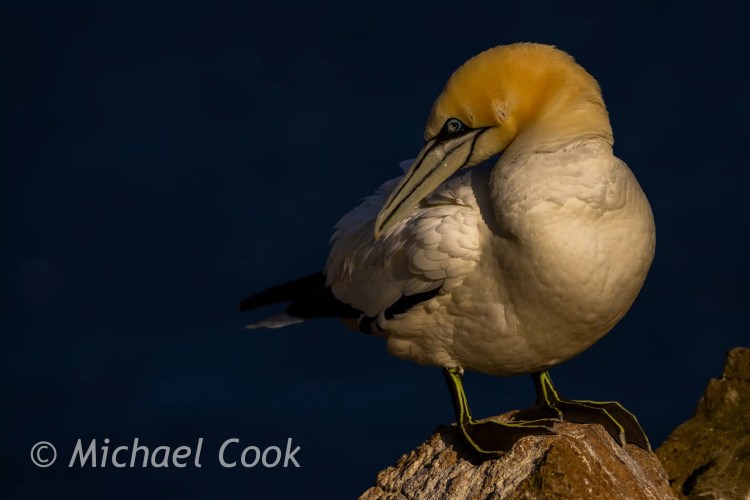
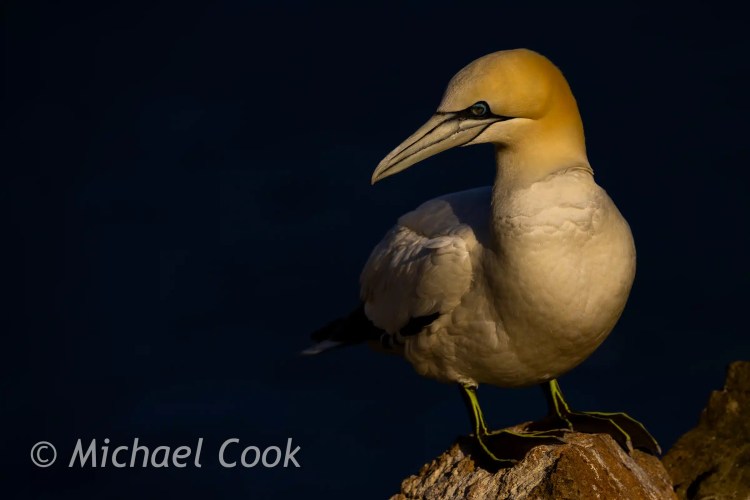
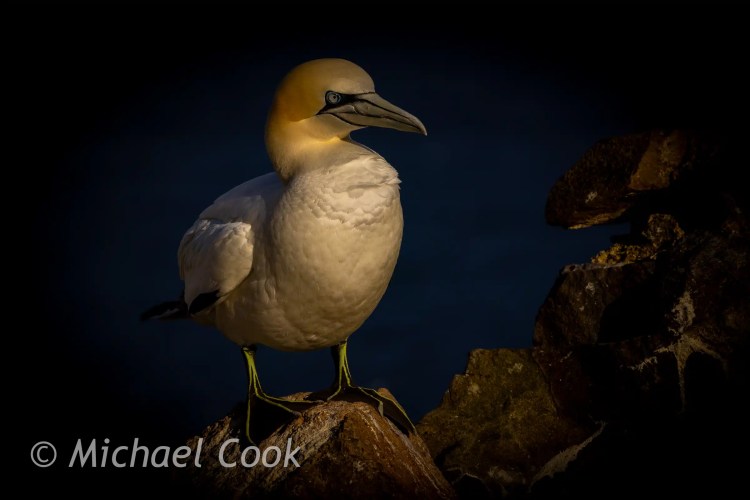
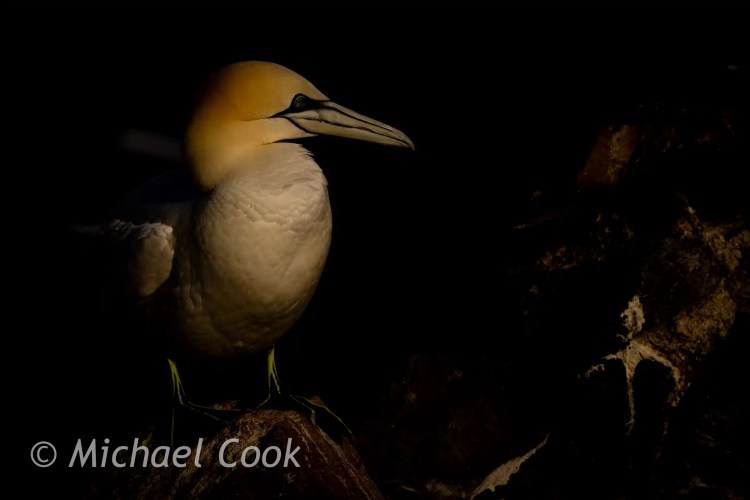
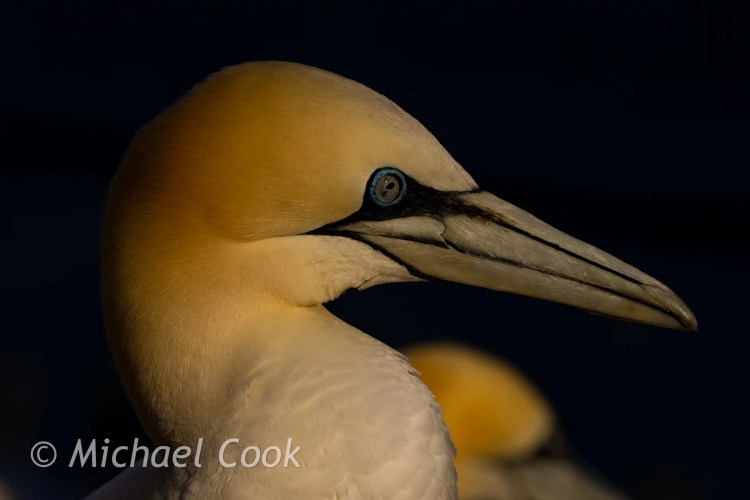
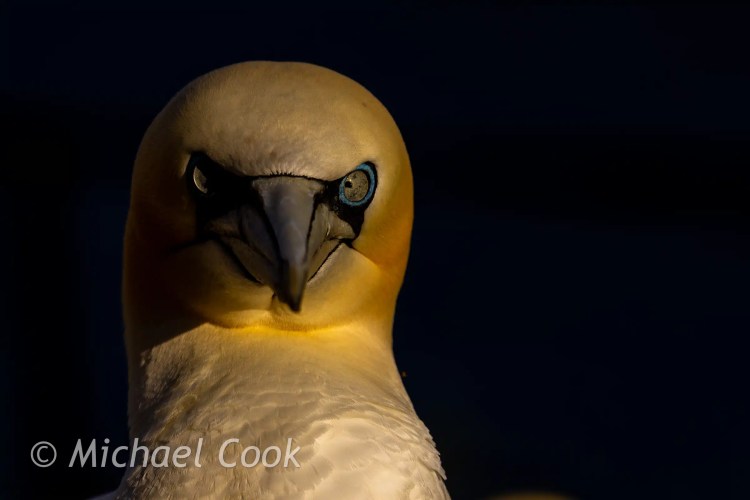
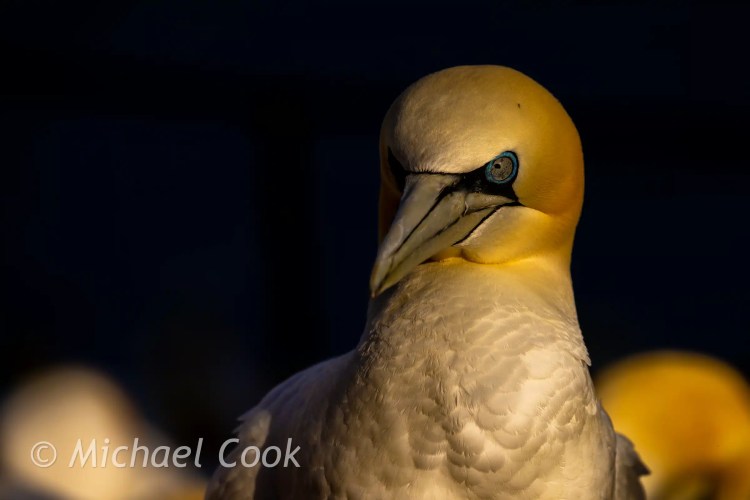

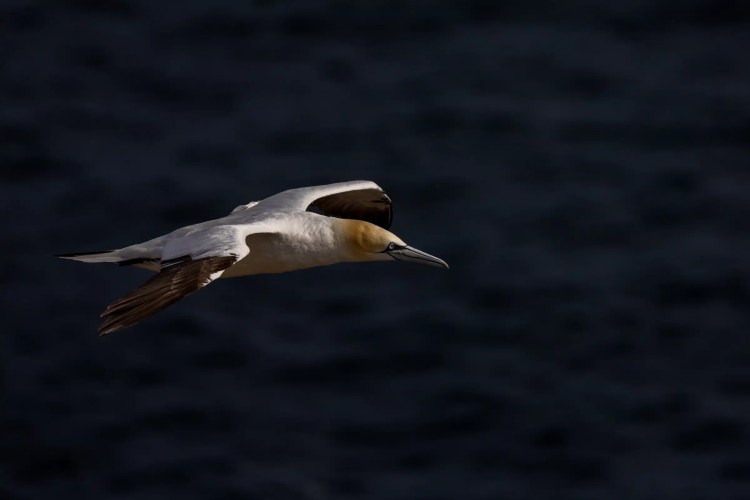

I have to say some of these are some of my favourite photos from the trip. They were all taken about 3 stops underexposed. It is hard to see in the view finder how good the shot is but later on the computer you can bring the light a bit back up and some of them are crackers and worth persisting.
E = Environment
When being so close to the Gannets which landing on Bass Rock makes possible. It is tempting to take all close up shots. I really didn’t take too many of this type of shot as there were so many Gannets everywhere and quite a lot of fences and barriers that it was harder to identify a clean shot. But here are some approaching environmental shots.

D = Detail
Clearly Gannets have several lovely features to focus on – bill, eye, yellow head being the main features. This is only possible when you are close up which landing on Bass Rock makes possible. Not hard to focus in on these on a bird only a few meters away. Getting low enough to the ground to throw the background out of focus was also important.
I really enjoyed my 3 hours Landing on Bass Rock and focusing on photographing Gannets. I hope you have enjoyed this article and perhaps it SPARKED some greater creativity and options in your photography.
Another great island to visit in the area is the Isle of May.

Discover more from WildScot®
Subscribe to get the latest posts sent to your email.
Thanks for another enjoyable post! 👏🏼
Thanks Eliza, and for following the blog
Fabulous set of shots 👌 something I’d love to do myself, they make great subjects 👍
Thanks Brian, appreciate the feedback and hope you get to visit Bass Rock