Having returned from our epic eight month tour of Latin America in August, I have now been back in Scotland for 4 months.
With work to get stuck into, family and friends to catchup with and a transition to manage wildlife (and therefore blogging) has taken a bit of a back seat. But I thought I would end the year with another post sharing what we have seen the last few months (including 3 UK lifers) and my hopes for 2025.
The first UK lifer after my return was a very obliging Steppe Grey Shrike which turned up at a golf course near Dunbar. This is currently only a subspecies of Great Grey Shrike which I have seen in Morocco. This was just about the easiest lifer I have ever had if you discount the drive to get there. Turn up in a car park, spot half a dozen birders with scopes 100 meters away, walk towards them and I could see the bird on a wall before I even got there. It made frequent forays for insects but the best shots were when it was on the wall throwing the backdrop out of focus.


Shortly after this I noticed on BirdGuides that a Spotted Sandpiper had turned up in Fife at Cameron Resevoir. I had seen dozens of these already this year in Central America from Mexico to Panama but I did still want it for my UK and Scottish lists. It took a while to find but we caught it in flight and followed it to the shore. Ironically I now have Spotted Sandpiper on my UK list but not Common Sandpiper as they had all gone by the time I got back.


In October we took a few days break on the Isle of Arran. Ferry reliability and the weather conspired to limit our time on the island and I was pleased to find 2 Mediterranean Gulls on the beach at Troon before we set off and also some Purple Sandpipers.


Whilst still on the mainland I photographed a pair of Stonechat and a messy Hooded Crow (hybrid?). From the ferry I kept scanning for gulls hoping for something exciting – Sabines – but had to settle for a Kittiwake.


Once on the island, we saw the usual suspects on the shoreline and it was nice to remind myself of the UK birds. I kept going to South American birds like Neotropic Cormorant as my first guess which was funny. Takes some unlearning.


Probably the best bird we saw on the Island was a female type Hen Harrier (Ringtail). We were driving at the time and by the time we had parked up for a photo it was gone. Along the shore big numbers of Rock and Meadow Pipits and Pied Wagtails were to be found.


At Lochranza the red deer had come down low to forage around the golf course. Driving further south I was looking for divers but had to settle for a neat male Goosander. This coast had lots of Buzzards flying and occasional Ravens too. Looking out to sea we saw a Minke Whale surface about 6 times but I never was quick enough to get on it with the camera. But in my efforts I did accidentally photograph a Porpoise which I only noticed when I looked at the photo later.


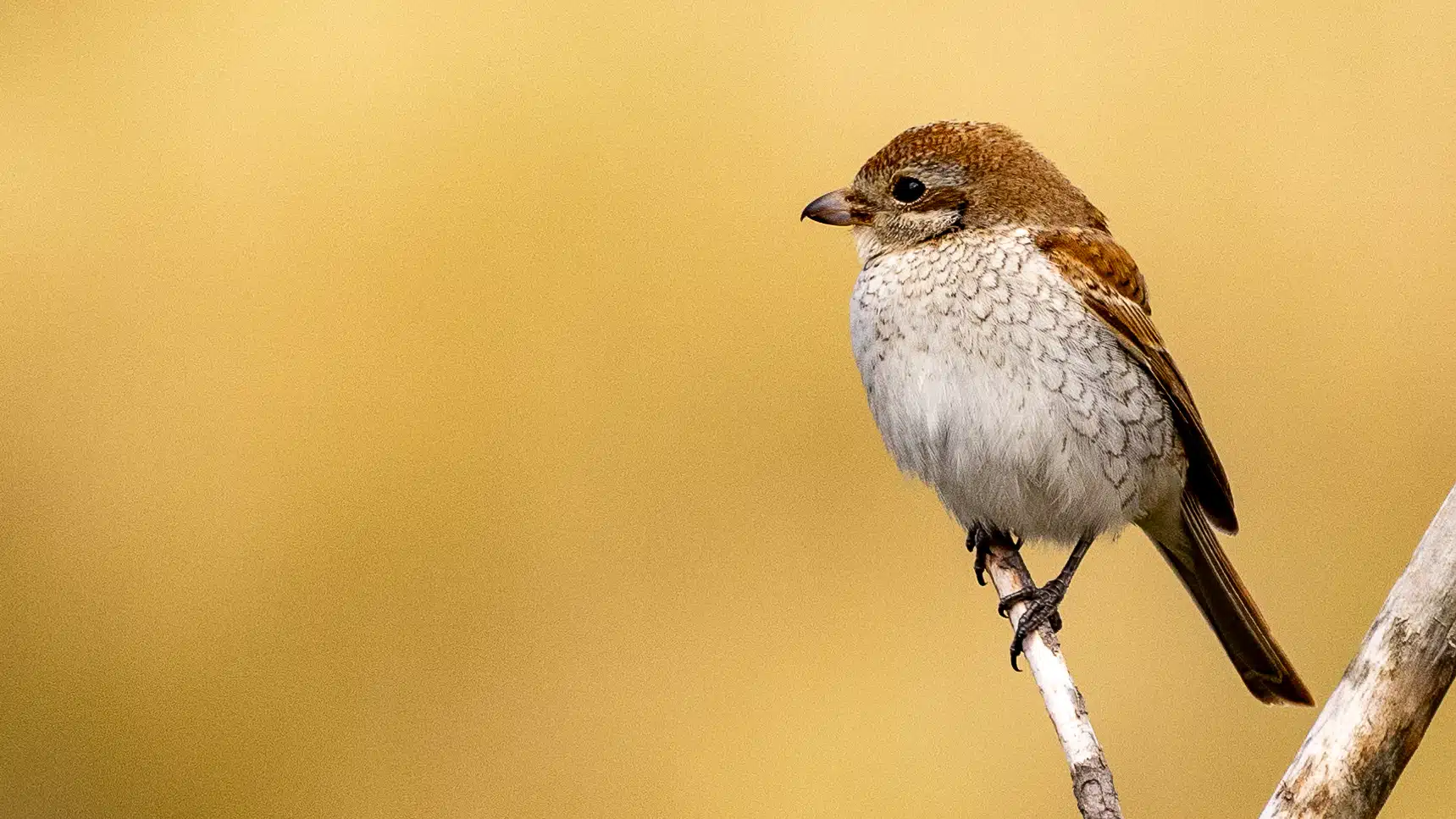
My third and final UK lifer of the year was a Red-Backed Shrike which again turned up near Dunbar. After the Steppe relative a few months previously I think I was expecting an easy find and it was anything but. I walked around a woodland for a couple of hours coming across other birders doing the same. I considered leaving but decided to give it one more go and check a track I had not been on yet. And there it was being very Shrike-like. It was such a thrill to find it after a real hunt and to have to find it myself and not just follow the angles of the scopes of birders already in situ. It performed well for photos and I was able to share the location with several other birders too which is always satisfying.


With a paltry 127 birds on my UK year list (well 4 months) I took my world list to 1545 for the year. This is massively my best year to date and will probably be the high mark of my birding life. Looking ahead I plan to share some more posts about local wildlife in the new year. I have set up another wildlife camera in Menstrie Woods and have a new Hikmicro Falcon Thermal Monocular to add to my toolkit.
Hope you all have a great holiday season and happy nature experiences in 2025!
Discover more from WildScot Photography
Subscribe to get the latest posts sent to your email.
Great shots!
Wonderful images, WS. After your epic trip, I imagine gearing down takes some time. Hope your new year yields many more sightings to add to your list!
Thanks Eliza, I am looking forward to getting back into Scottish wildlife in the new year