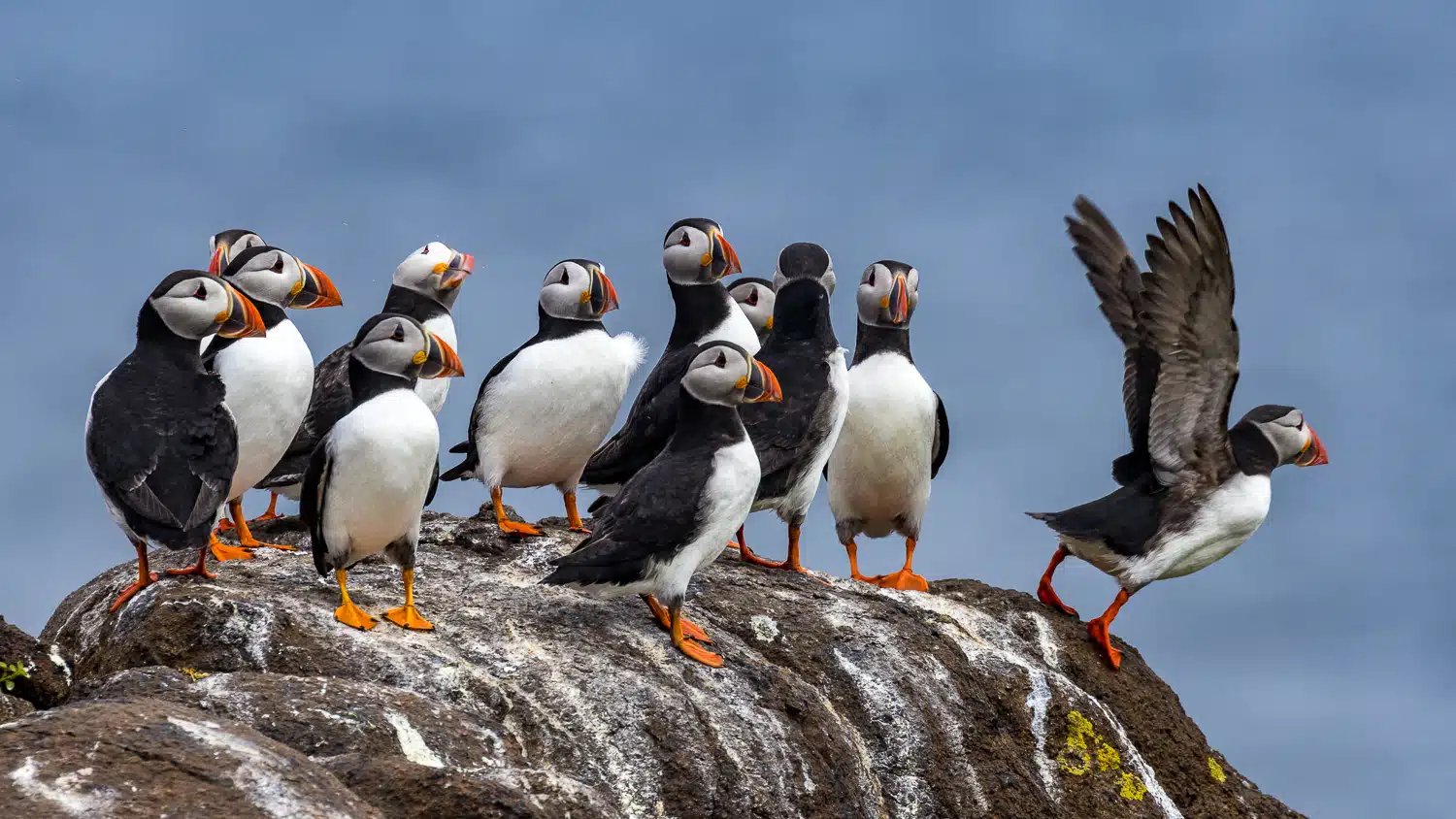
It appears that a visit to the Isle of May is an annual pilgrimage for me one way or another. So it was good to connect with one old and three brand new birding friends to pay another visit this week.
We saw the usual sea birds on the way out including a Sandwich Tern, Kittiwakes, Puffins, Razorbills and Guillemots. But the highlight was this Fulmar that followed the boat for a few minutes

Once on the Island I was surprised that the Terns had not arrived yet. In a week or so they should be here apparently. And I had brought walking poles to fend them off but they were not needed.
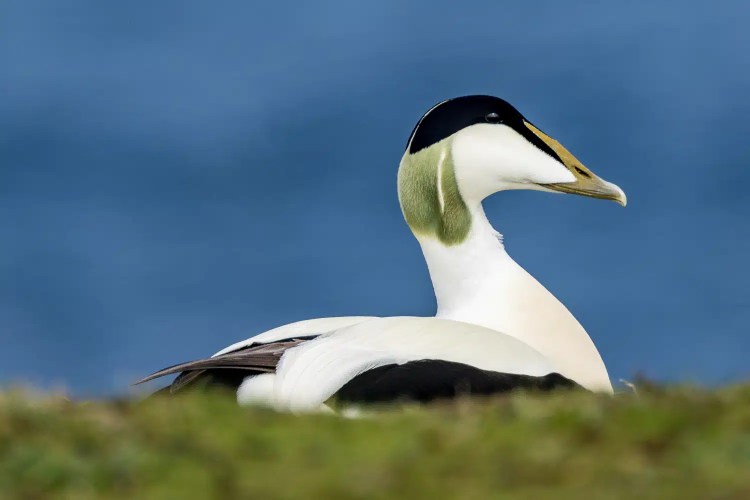
We headed up to the lighthouse and looked around the garden hoping for some newly arrived migrants but only found a couple of Willow Warblers and a Wheatear. After leaving the garden we found several Eider Ducks, the males looking especially stunning and the females cryptic on their nests.

Continuing to the western cliffs for a bite to eat we had good views overlooking the cliffs. This is one of my favourite spots on the Island.
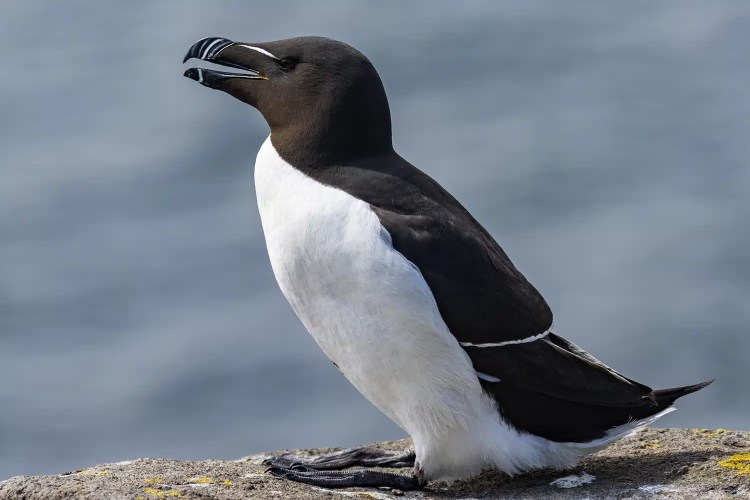
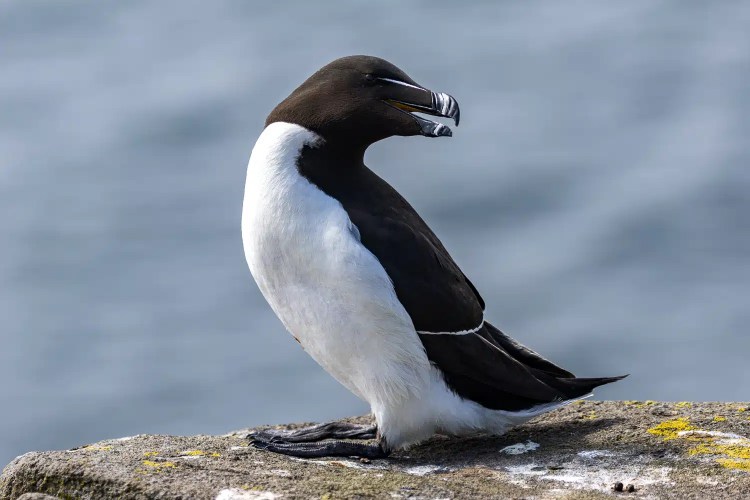
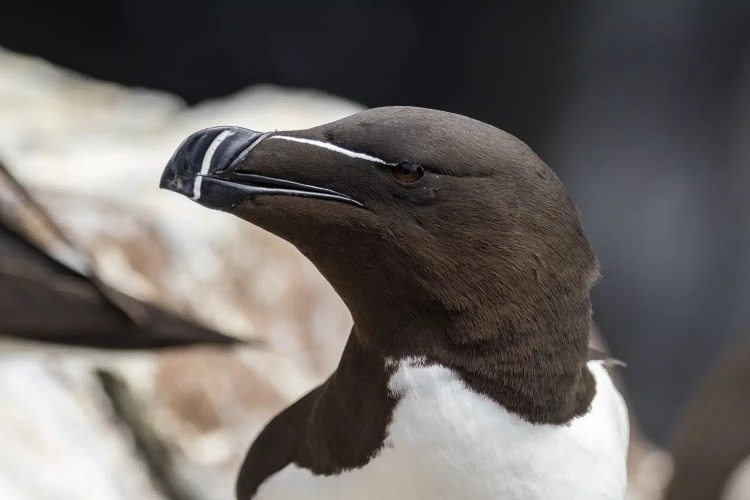
Closeup views of Razorbills with their stunning face markings. This is a hard bird to photograph as exposing for the dark eye can leave the black head looking chocolate brown.
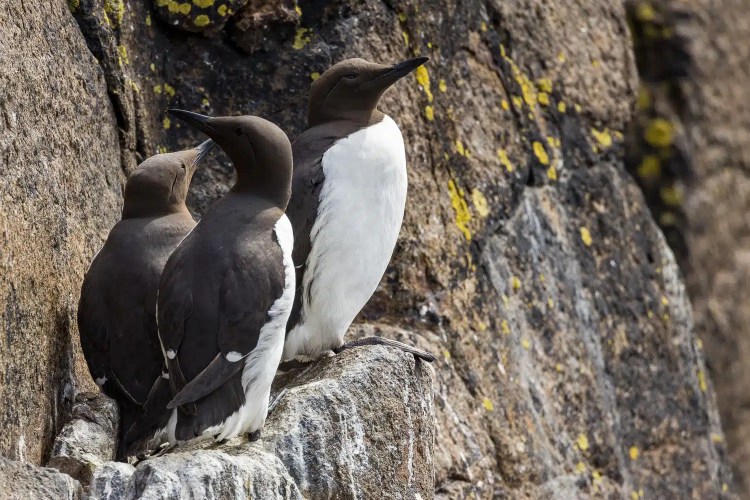
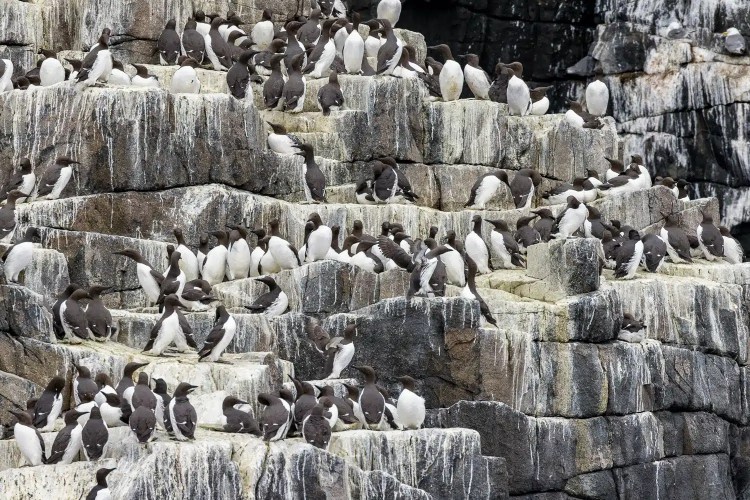
Common Guillemots are also present lower down on the cliffs. These birds have one of the smallest territories of any bird. Matters of inches separate birds on the ledges but invisible lines still matter.
Fulmars were present too nesting on the far cliff but a couple were also present nearby. Many people mistake these for gulls but a closer look reveals their tube-noses which actually mean they are fairly close relatives of Albatrosses.

There were gulls here though, beautiful Kittiwakes with a kind face and narrow red eye-ring.

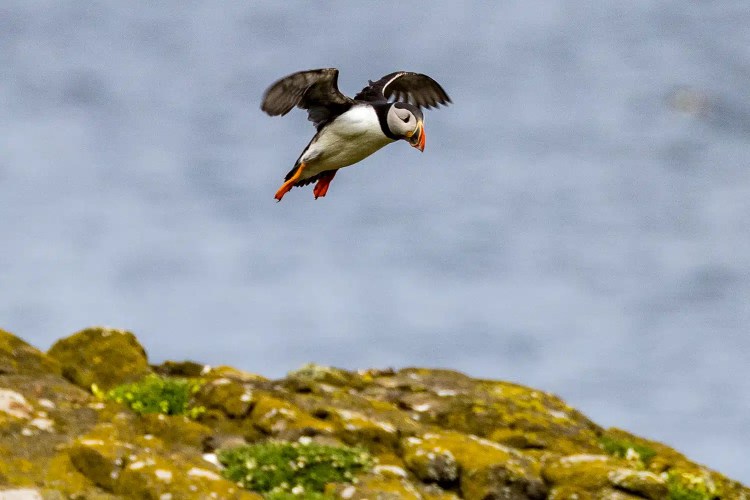
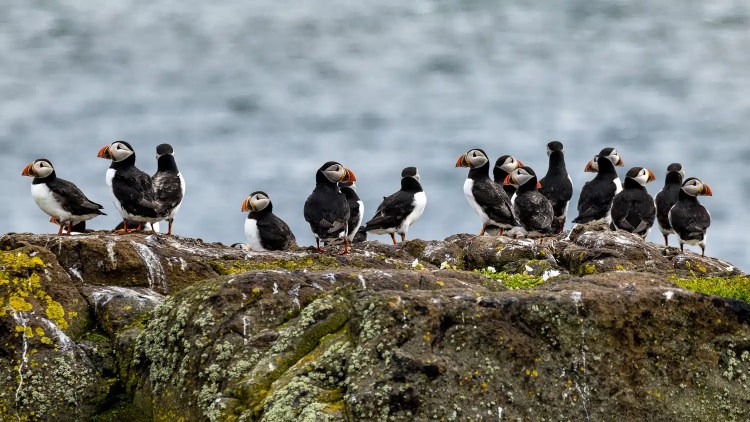
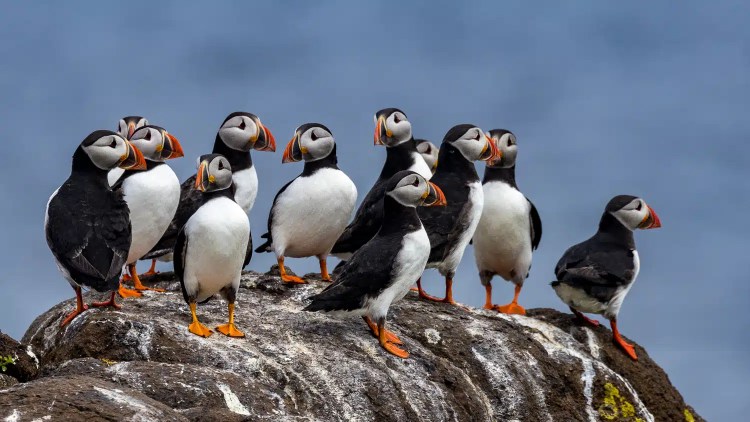
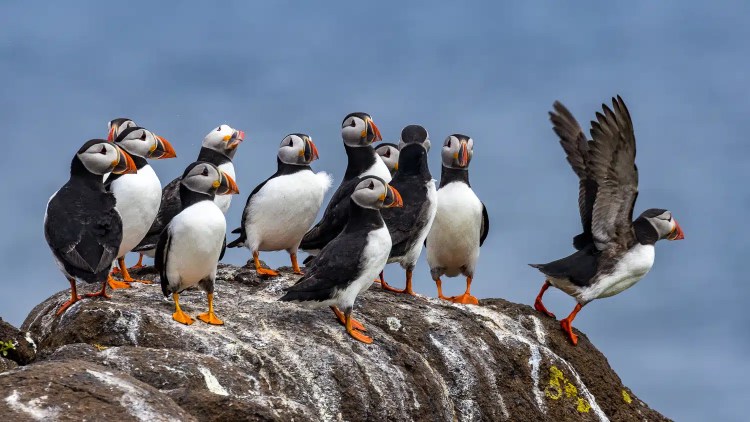
Of course the main reason people come to the Isle of May is to see Puffins. An estimated 46,000 pairs breed here. Having been here before I didn’t take too many photos of the puffins, no need to delete a thousand photos when I get home. It was a bit early to see them with sand-eels in their mouth waiting to feed the chicks. These are still eggs at the moment. But I fired off a few shots trying to isolate the birds against a distant background.
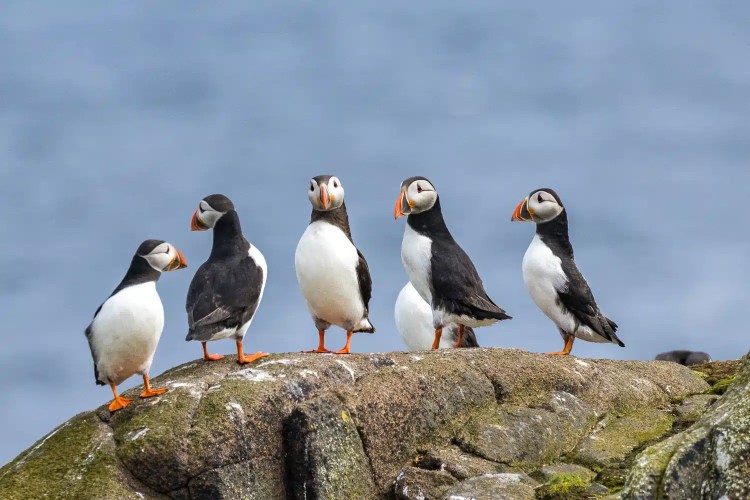
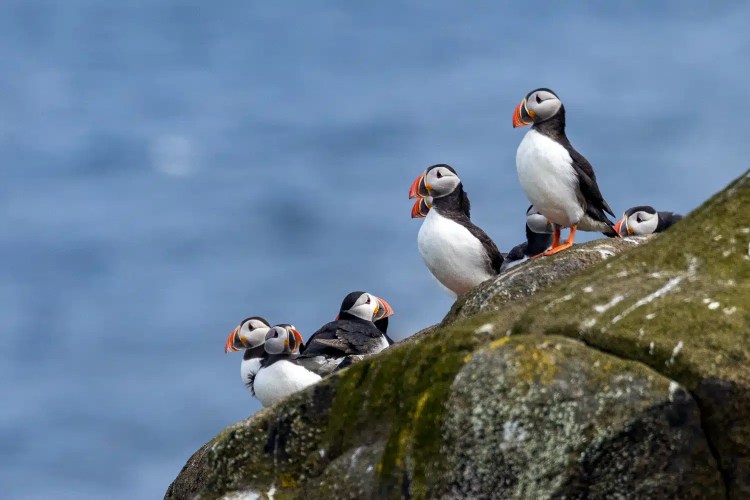
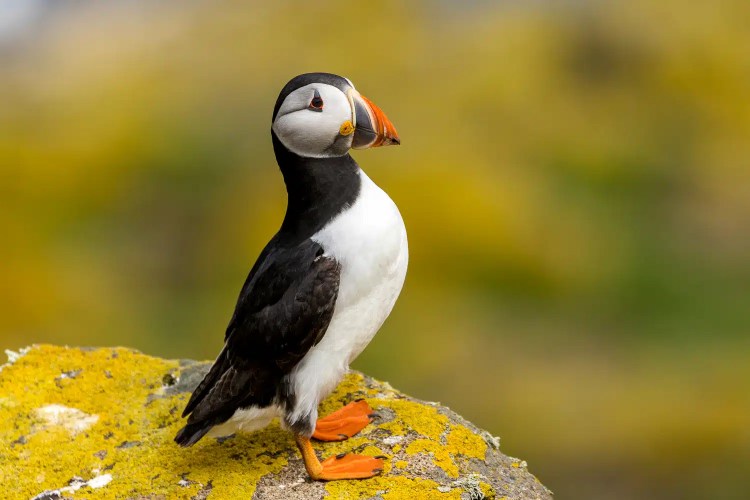
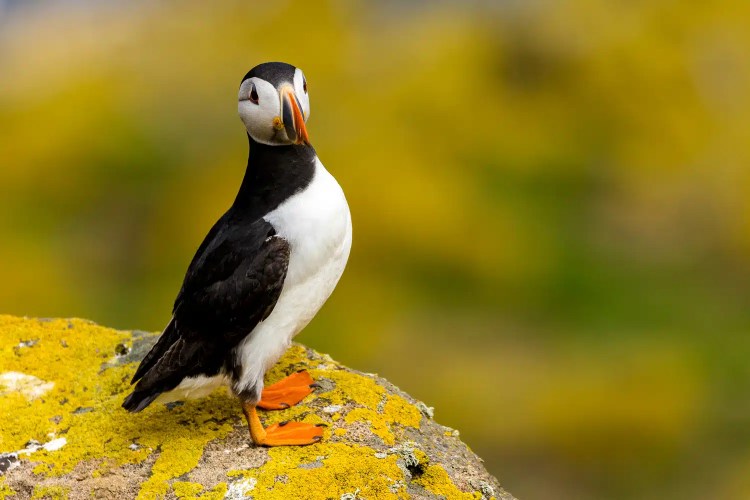
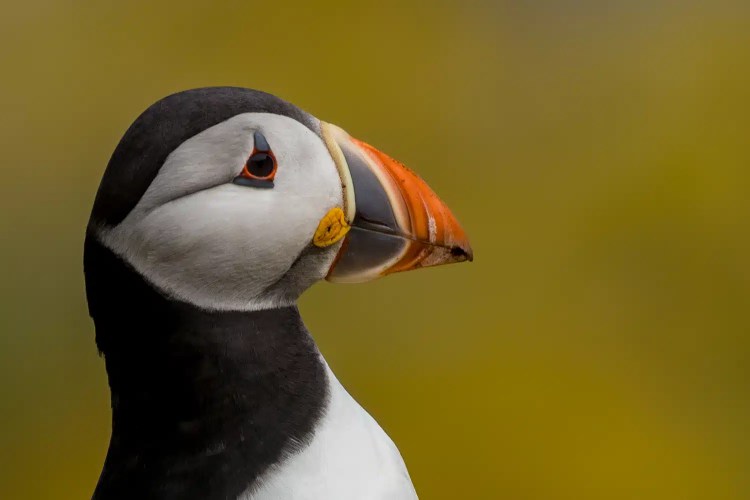

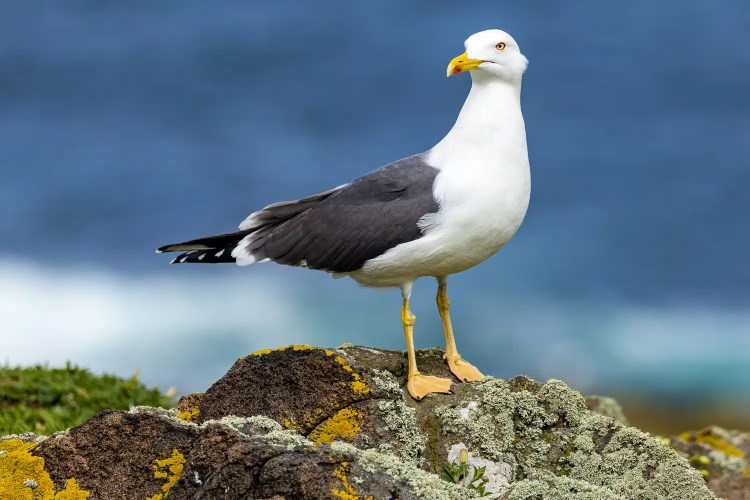
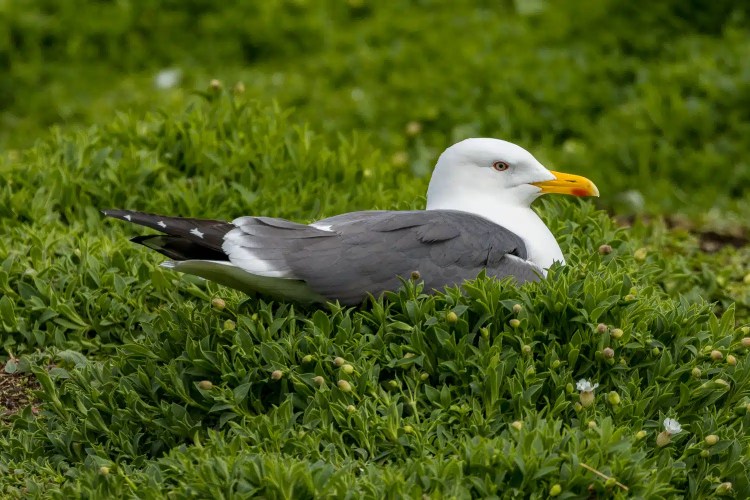
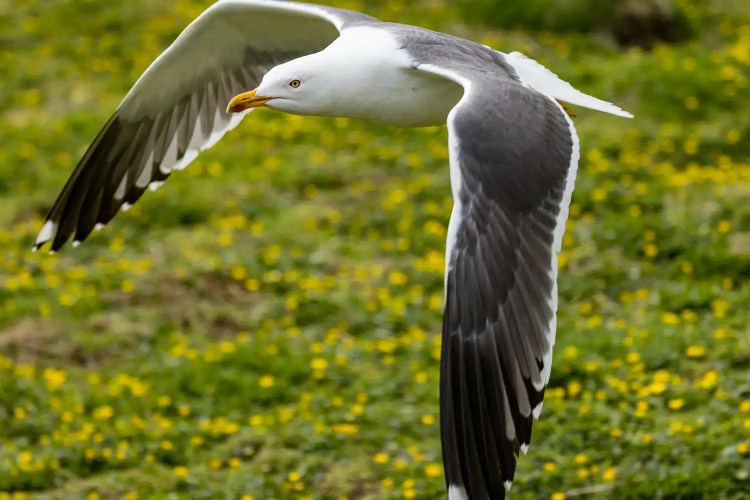
We moved through an area mostly populated by Lesser Black-Backed Gulls. These are looking smart with their bright yellow legs and clean features.
We then spotted a small bird hopping around in the grass. A Greater (Common) Whitethroat. This was my first of the year and no doubt just stopping off on migration.

Turning the corner and of course there were more Puffins. There were always more Puffins on the Isle of May.


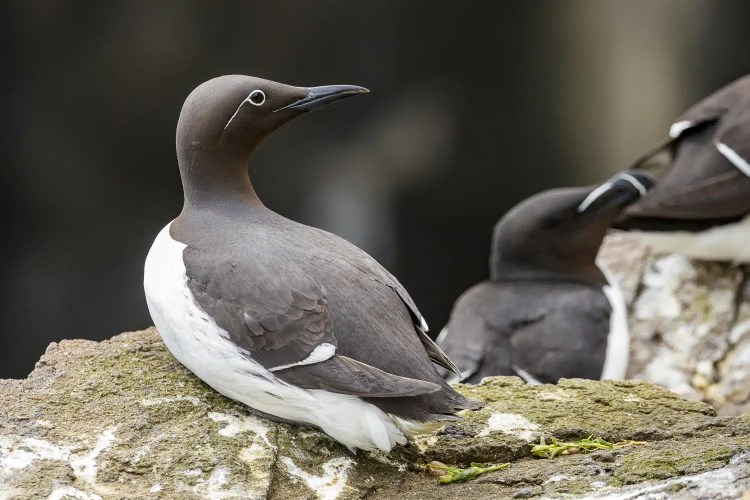
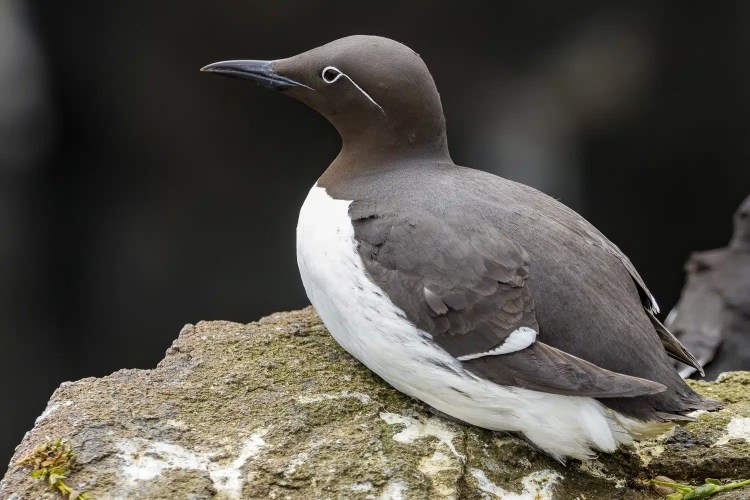
We continued to the southern point of the Island overlooking a couple of sea-stacks. I immediately noticed a stunning Bridled Guillemot. This is the same species and sub-species as a Common Guillemot (Uria aalge) but a different form featuring a white eye-ring and line behind the eye. It gets more common as you travel north from less than 1% in the south to over 20% in the far north.
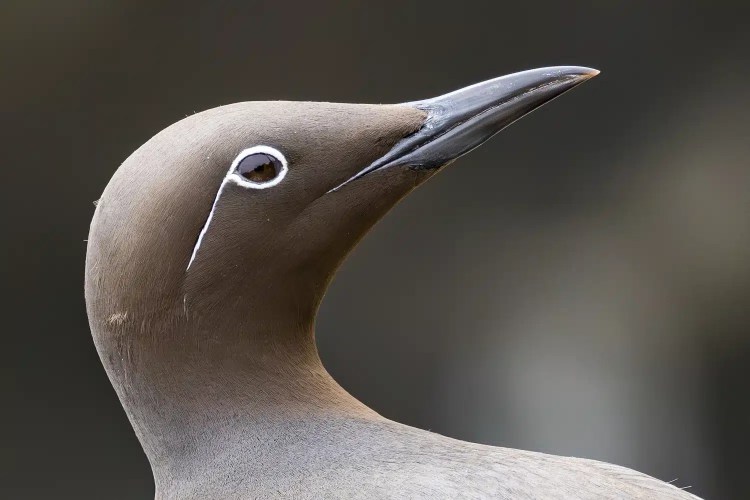
Several Shags were nesting on the cliffs too. Not one of my favourite birds but nice to see the bottle green colours and scaly feathers.

Without any terns to dodge we made quick progress back to our boat. Before leaving the Island altogether the boat took us around beneath the cliff where we saw many thousands of birds taking the prized real estate of each ledge and rock.
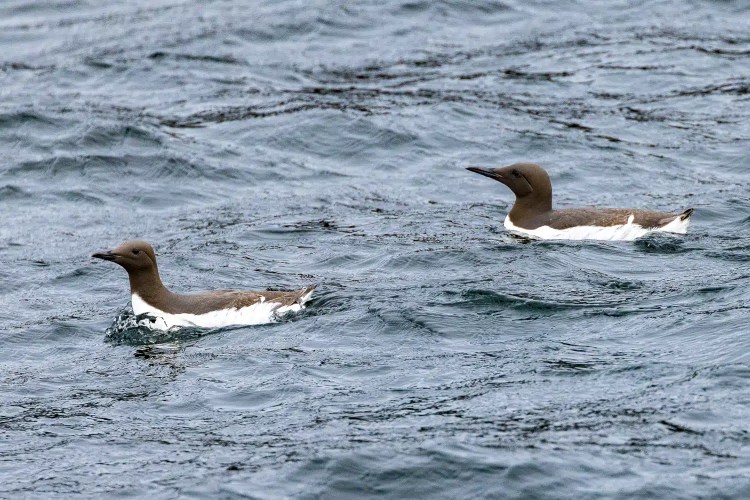
In the sea in front of the cliffs many birds were also swimming in the sea such as this Guillemot pictured.
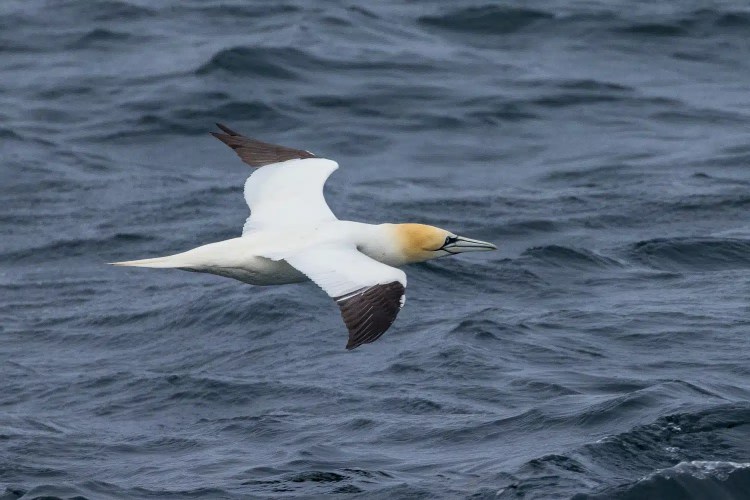
The final bird of the journey was Gannets passing by from the nearby Bass Rock.
A trip to the Isle of May is never about seeing lots of new species but rather bathing in the company of thousands and thousands of seabirds. See you next year.

Discover more from WildScot Photography
Subscribe to get the latest posts sent to your email.
Fantastic pictures and very informative. We can’t wait to join you on a trip and hopefully see some of these beautiful birds.
Good photos. Looks like a worthwhile trip. Thanks for sharing.