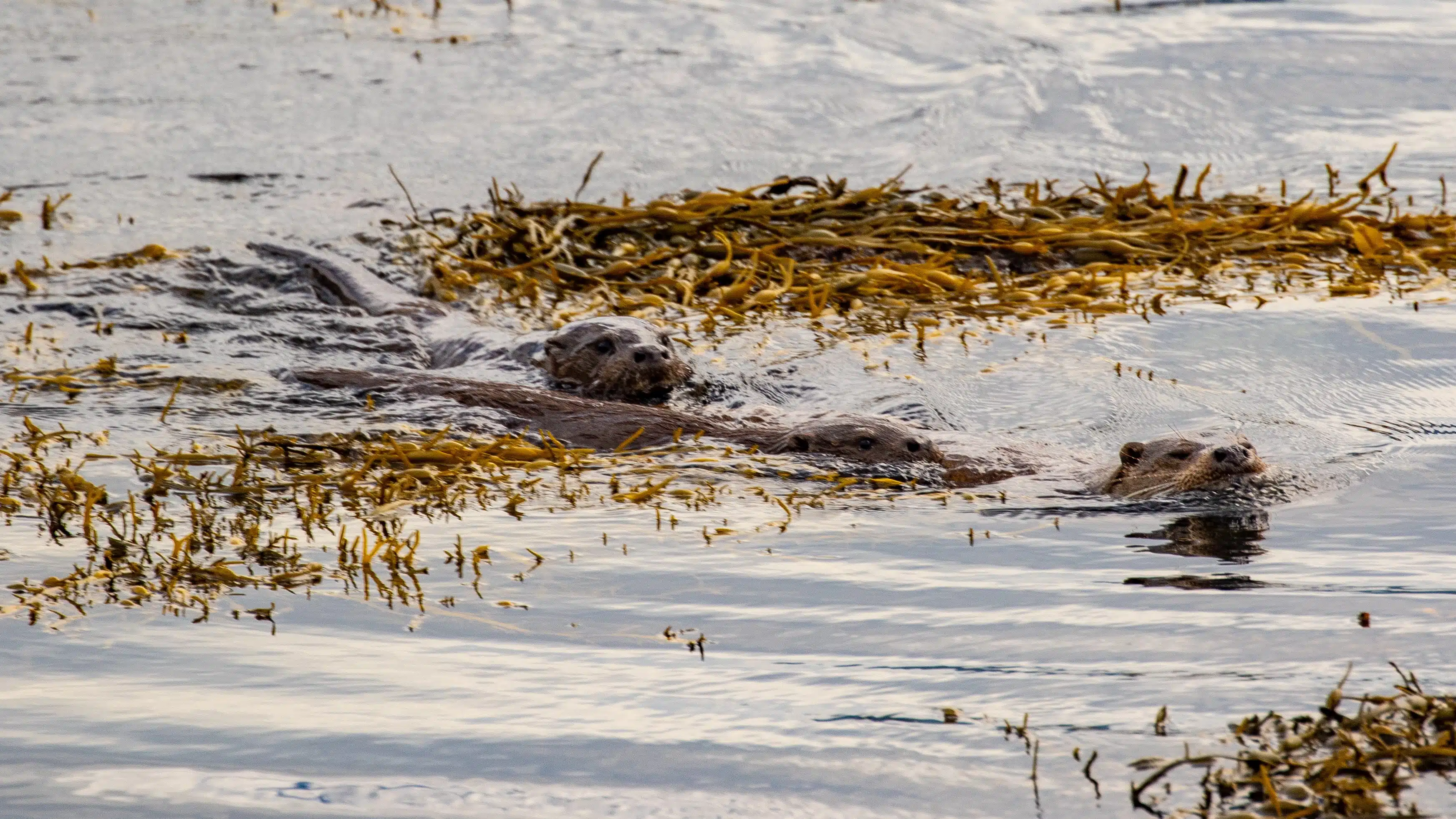
At the end of June/start of July, we had a week on Mull. Our main focus for the week was wildlife watching, particularly the stunning Wildlife on Mull. Most of our holidays are focused on this these days. This post shares three great locations where we explored the wildlife of Mull.
Grass Point
We had a couple of hours after getting off the ferry and before getting access to our cottage. We drove down the road to Grass Point (just south of Loch Don). This is a great habitat for Hen Harrier and Short Eared Owl. Sure enough within 30 minutes of leaving the boat we saw a female Ringtail. This is the name used for female-type Hen Harrier based on the white band on the tail. I say female type rather than just female as the immature males look similar too.
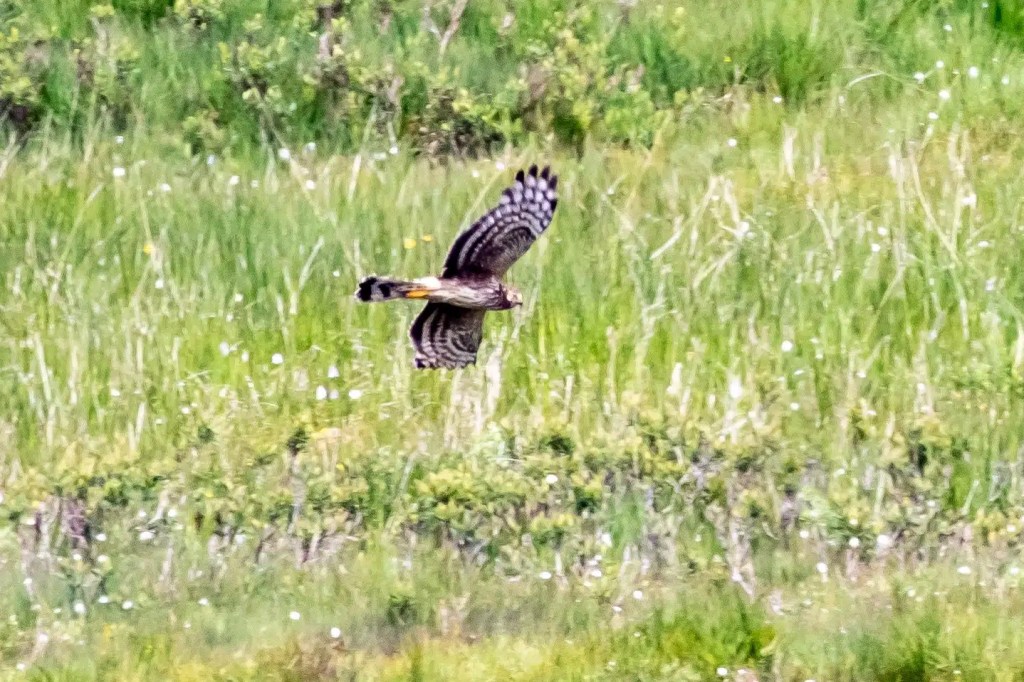
We carried on down to the viewpoint at Grass Point. Here we continued to the top of the cliffs to view the sea. We saw several Grey Seals in the sea. We also had a distant view of an otter hunting. It eventually came to the shore and disappeared up a river bank.
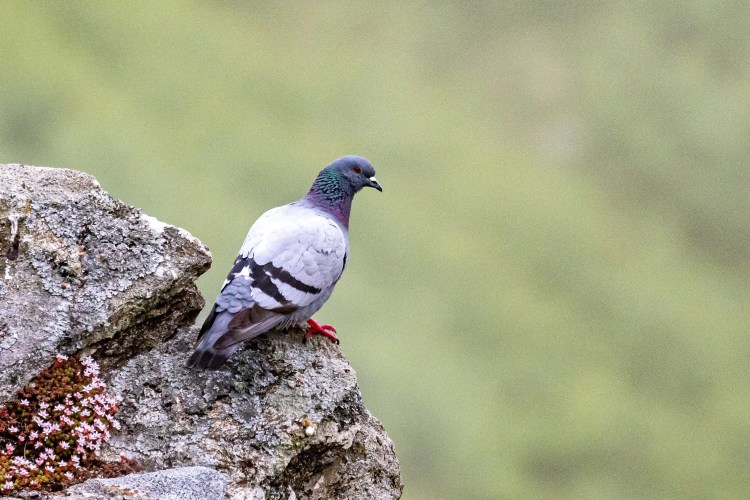
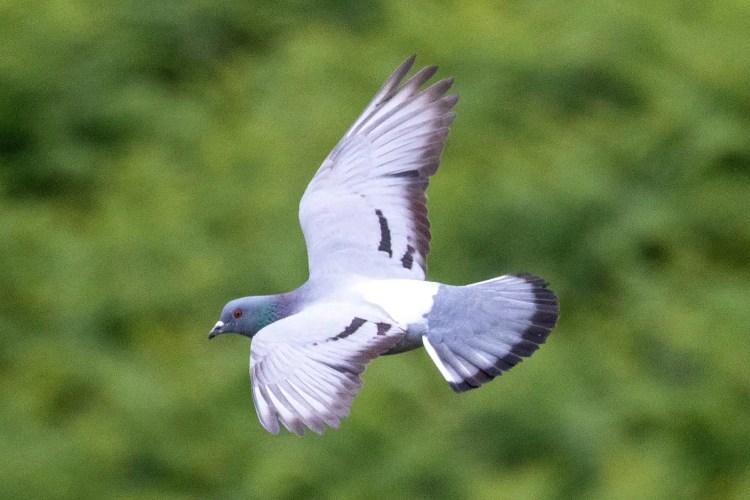
We also saw several Rock Doves on the cliffs. These are genuine wild birds on Mull rather than the common feral pigeons found nearly everywhere on the mainland. When you are looking for the spectacular wildlife on Mull, don’t overlook the more understated.
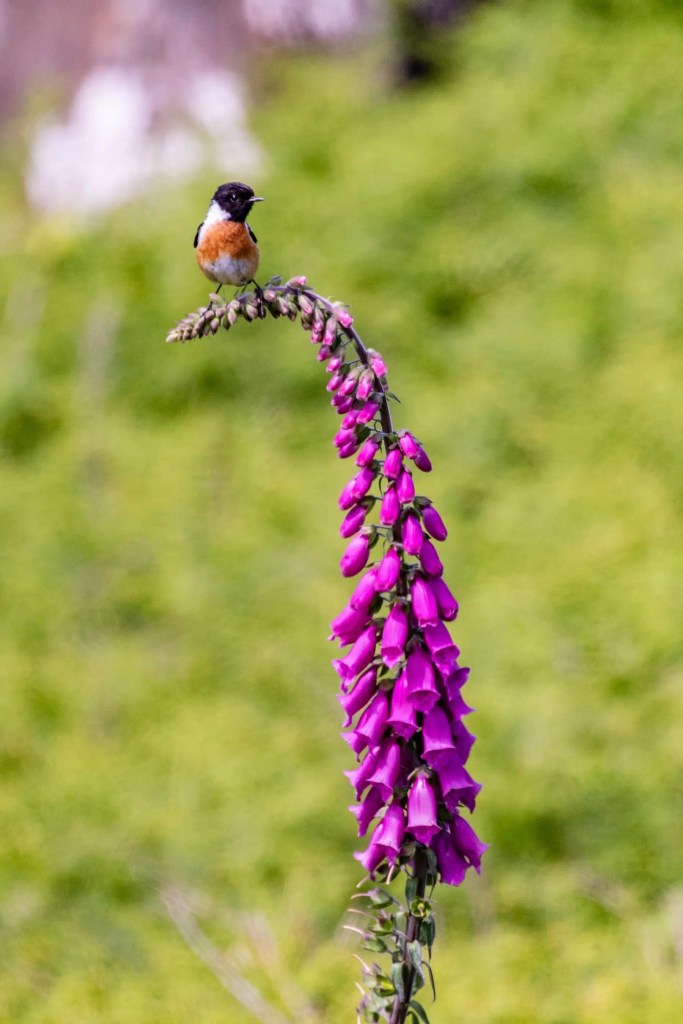
As we walked back to the car we heard and saw Whinchat, Chaffinch and Stonechat. A confiding male Stonechat perched on a foxglove which bent over under its weight.
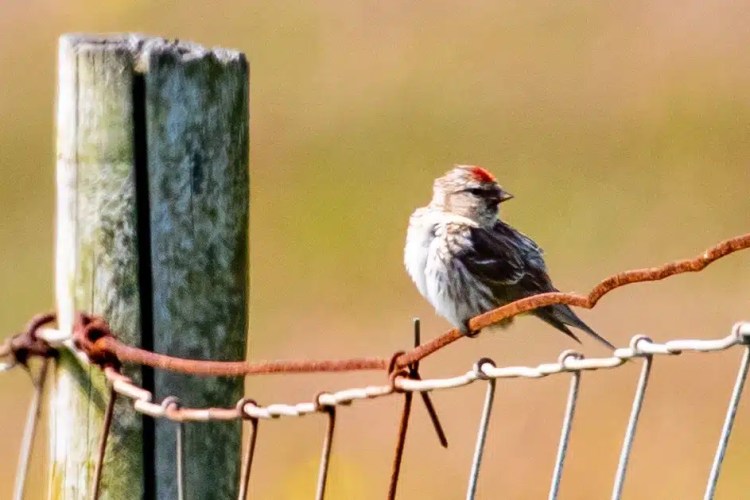
We walked along the road to the end and had a look around the small bay. A Lesser Redpoll landed on the roof of a nearby house. It flew away before I could catch a photo. It was nice to see the red forehead.
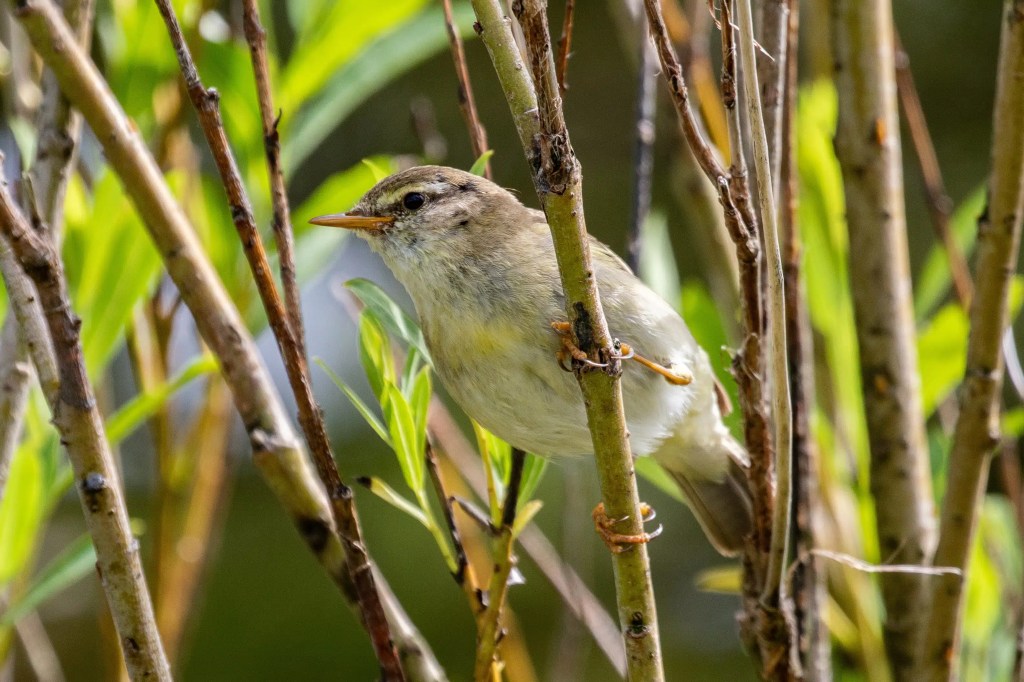
A Willow Warbler sang from the nearby scrub. I find Willow Warbler difficult to tell from Chiffchaff by sight. Still, the song is very different. It sounds quite like a Chaffinch without the flourish at the end.
Loch Scridain
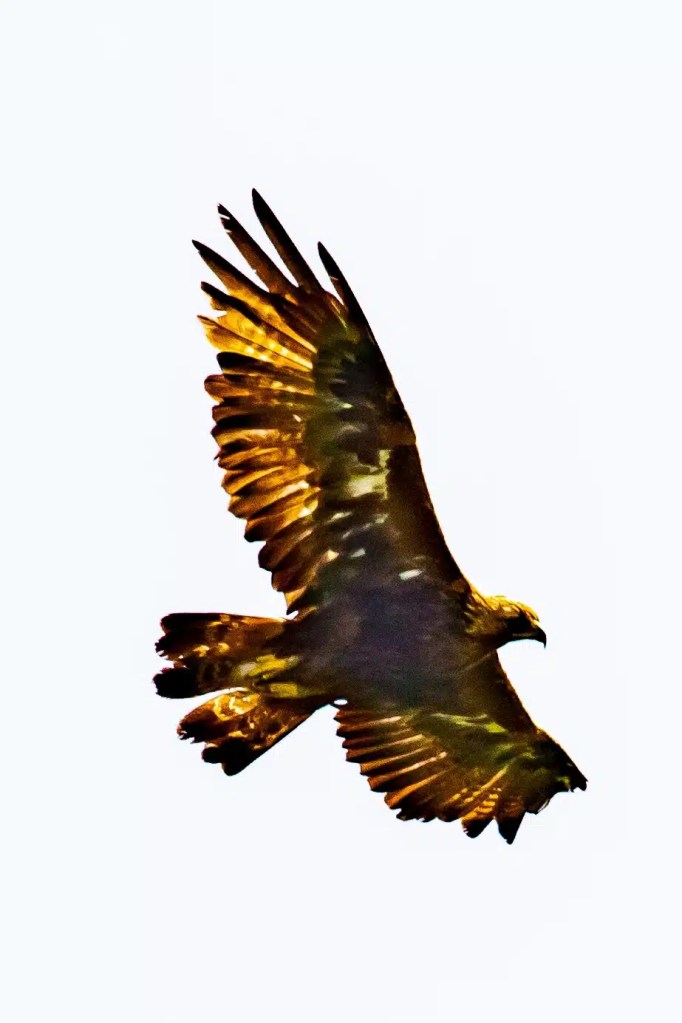
The next day we headed over Glen More, a lovely road, to Loch Scridain. As we descended from the high point, we noticed a couple of cars parked. They had tripods with scopes out and were looking at the cliffs above. A brief chat later and we had our own scope on a couple of resting Golden Eagles. After about 20 minutes one took off disturbed by a Kestrel and gave a brief view. The photo below shows that an Eagle has much longer wings and primary feathers than a Buzzard. Additionally, a Golden Eagle hardly ever flaps its wings compared to a Buzzard. You can tell this is a Goldie (not White-Tail) by looking at its smaller head. Its narrower wings also contrast with the White-Tail’s thicker barn door profile. Eagles are renowned as part of the wildlife on Mull you really want to experience.

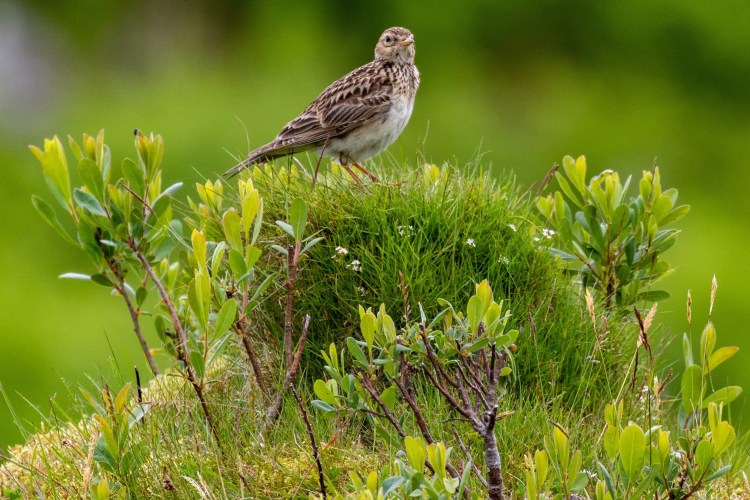
We carried on down the B8035 turnoff north of the loch. Soon, we found ourselves in excellent meadow habitat. We stopped and scanned for birds. We very quickly saw a quartering Short-Eared Owl followed by two Hen Harriers which was excellent. It must be a good vole year. A Skylark popped up near the car allowing close views.
We also saw a Whinchat resting on a distant fence.

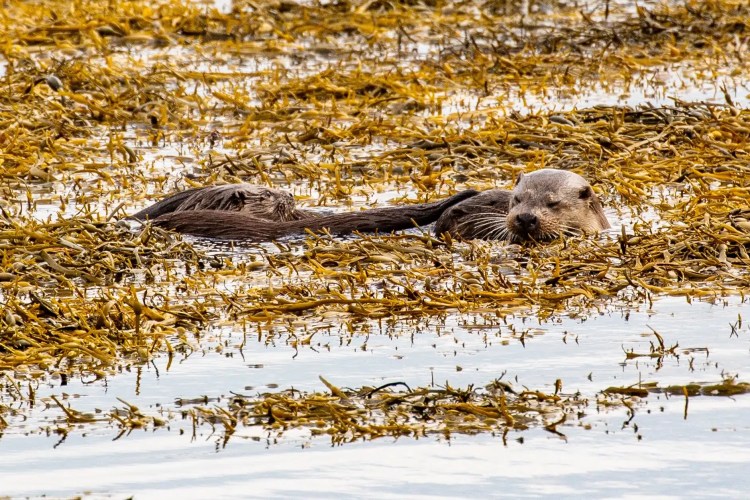
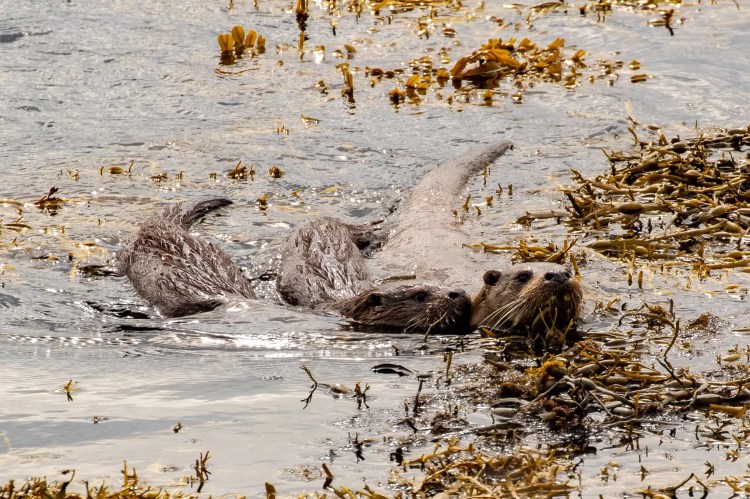
We continued to drive along the coast scanning for Otters and were soon rewarded by a mother and two cubs. Otters are one of my favourite species and a real highlight of wildlife on Mull. These are wonderful animals and always a special encounter. They have a great sense of smell. Still, their eyesight is not as good. Staying downwind, we watched them for 10-15 minutes from the roadside.
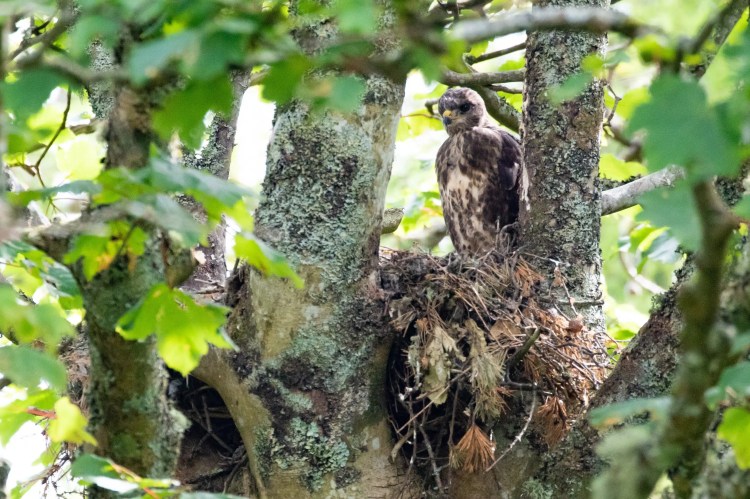
Returning to the main road (A849) to Pennyghael we scanned the marshy area again for Short-Eared Owls or Harriers. None this time but a few Redshank, Curlew and Lapwings put in a show. Driving along with the windows open (always drive with the windows open if you can!) we heard a Buzzard calling from a stand of trees. Investigation soon revealed a nest which was actually visible from the road itself although you would probably miss it driving.
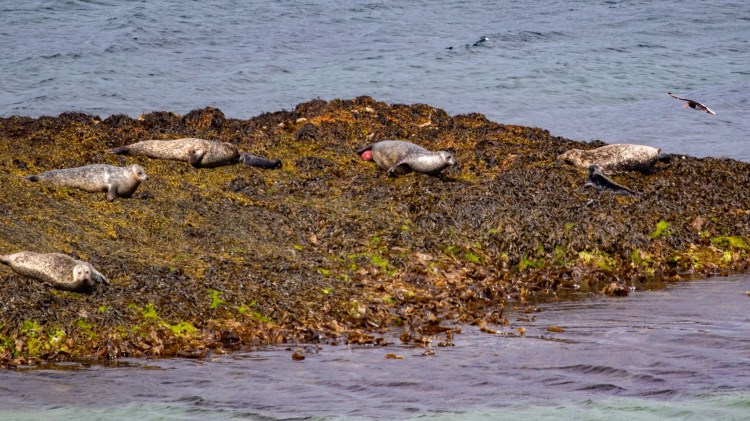
Further down the road we looked out to a small island with some Common Seals hauled out. Taking time to watch we noticed that one was actually in the process of giving birth. We watched for about 20 minutes. After this, the mother-to-be went into the water. She was opting for a water birth.
Lochbuie
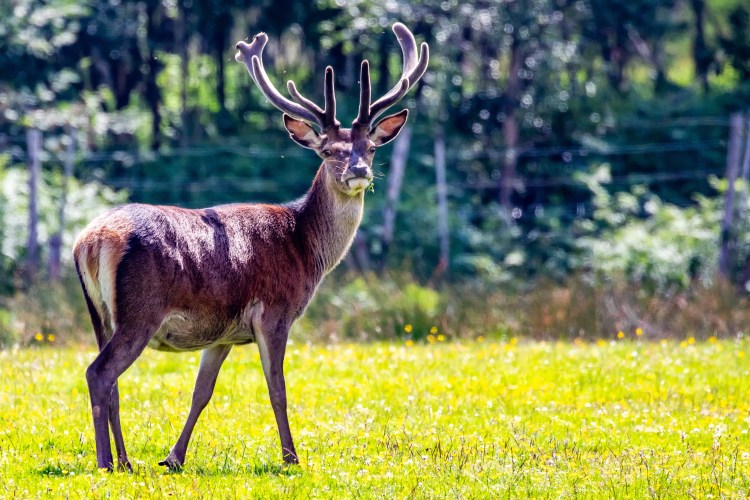
Another great day out we headed down to Lochbuie. Just after leaving the A849 at Strathcoil we saw a few impressive Red Deer Stags.
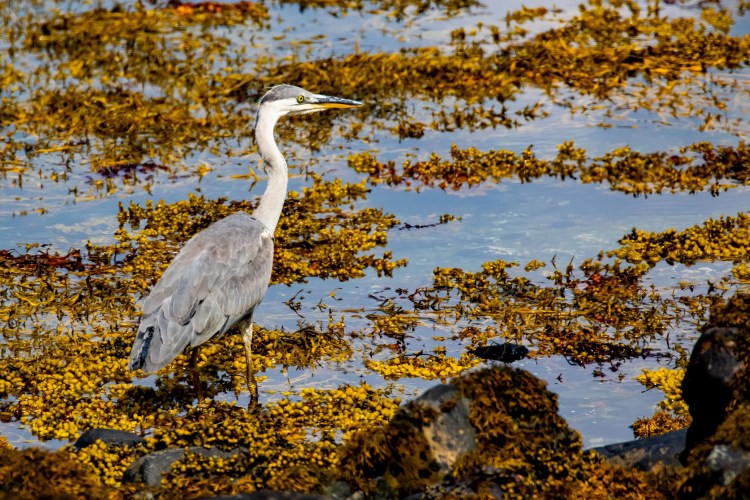
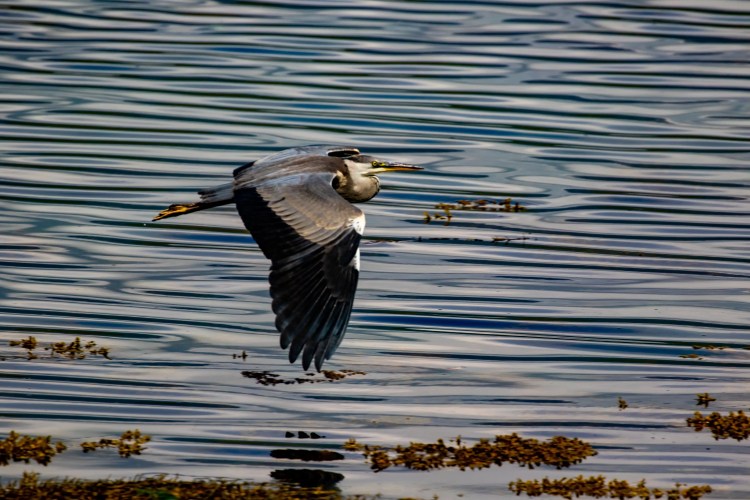
A relaxed drive along Loch Spelve revealed close up views of a few birds we had been seeing all week. Most of Mull’s coast seems to have a resident Grey Heron. It is fun to watch these birds feed. It’s also nice to practice photographing them in flight. Because they are so huge, they are an easy target to practice on.
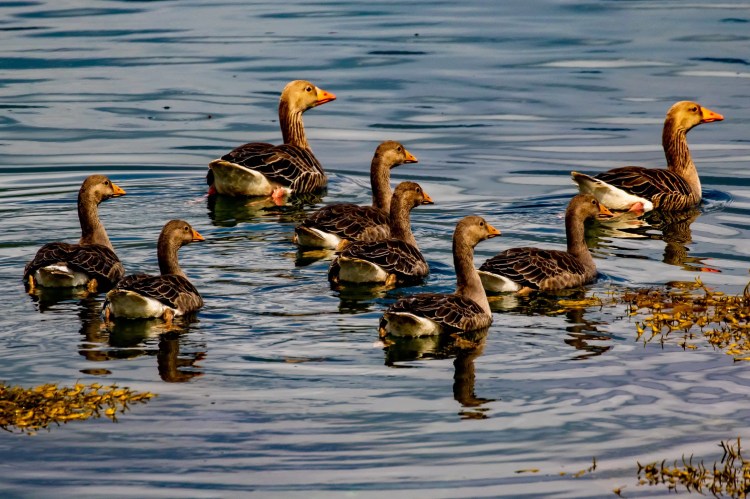
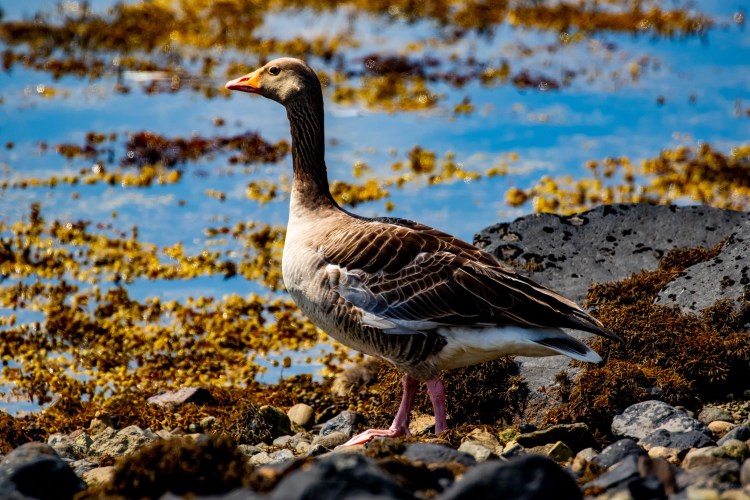
The main geese on the Island are Greylags and we often saw families together. Geese with young will avoid Otters. Otters occasionally take a gosling. Having geese close to the shore is a clear sign not to bother looking for Otters. Still, the reverse is true. If you spot them moving away from the shore and you didn’t cause it, scan the area quickly.

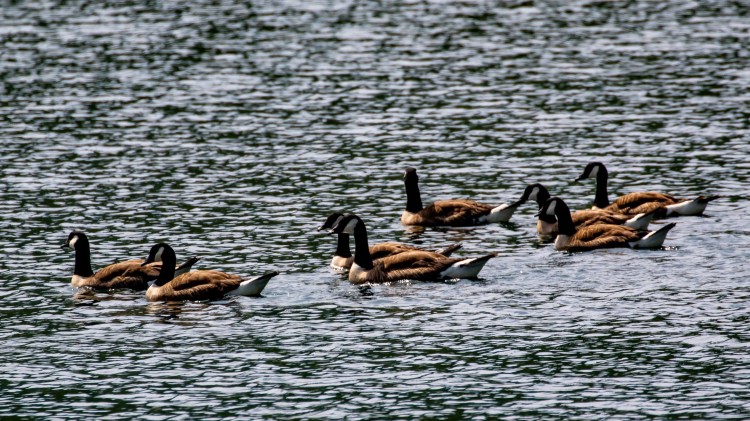
Whilst here we also glimpsed some Canada Geese which were much less common on Mull than the Greylags.
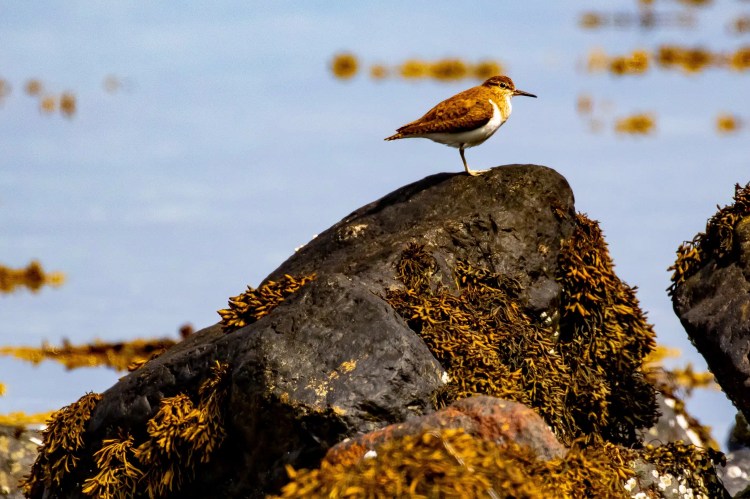
Along with Oystercatchers the other birds we found at almost every stretch of coast were the noisy Common Sandpipers. These migrants from Africa breed on our coasts and rivers in the summer. They are vocal birds when alarmed. They are vocal birds when taking off. The pair near our cottage made noise whenever I tried to sleep.

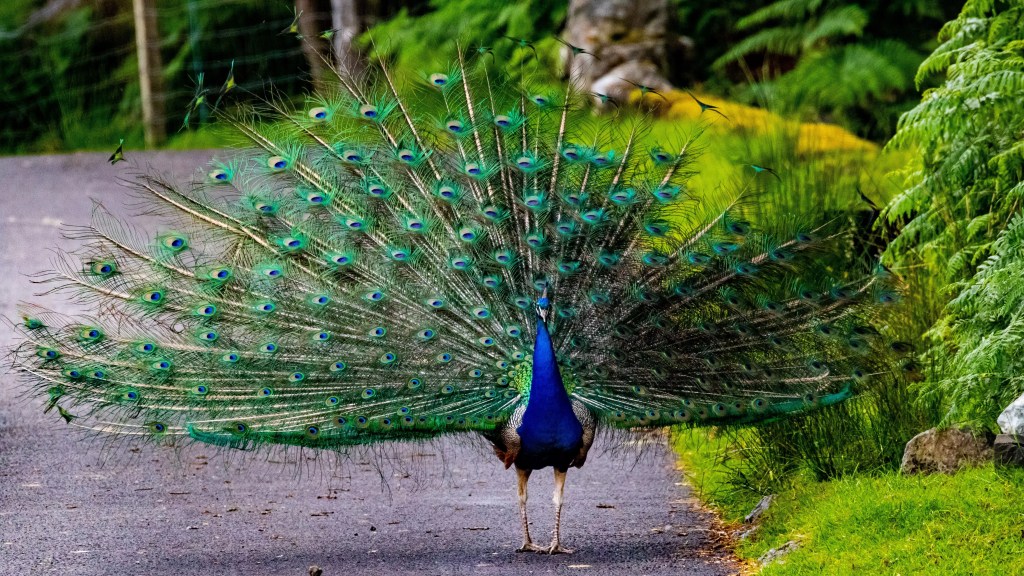
We drove out the far side of Loch Spelve. We were surprised to see a Peacock (not typical for wildlife on mull!) in the middle of the road near the end. It acted as if it owned the road, calling loudly whilst displaying its magnificent tail feathers.

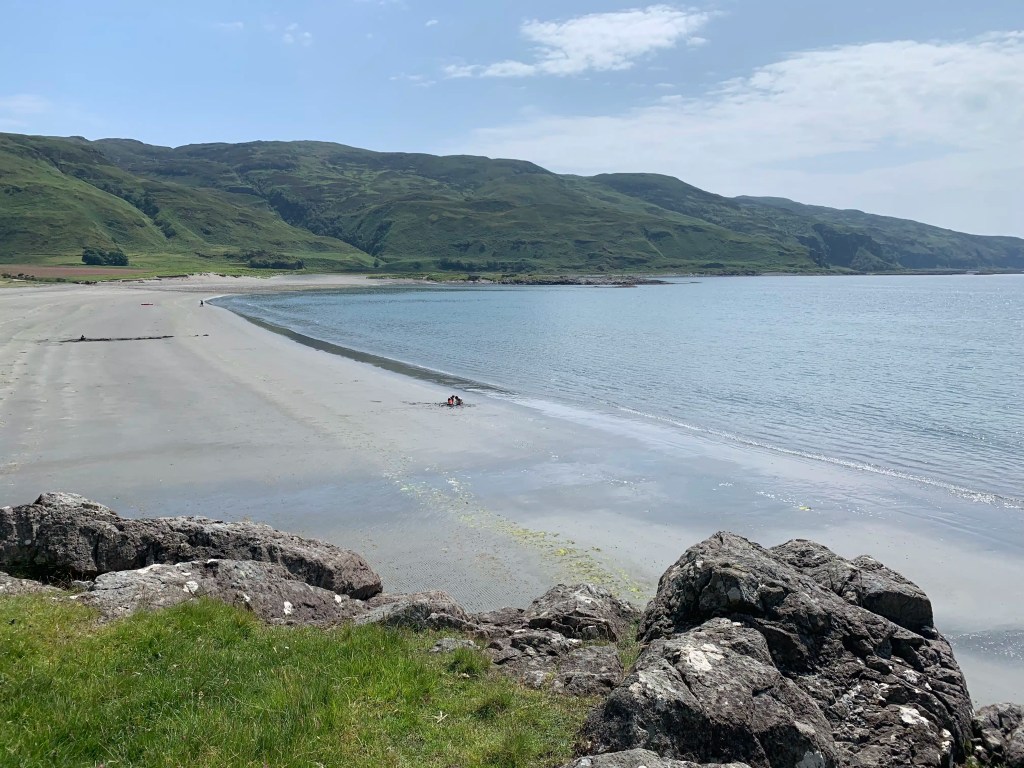
Getting back to wildlife, we continued down to Lochbuie stopping for some lunch. We had a lovely walk along the coast to the beautiful beach beyond Moy Castle.
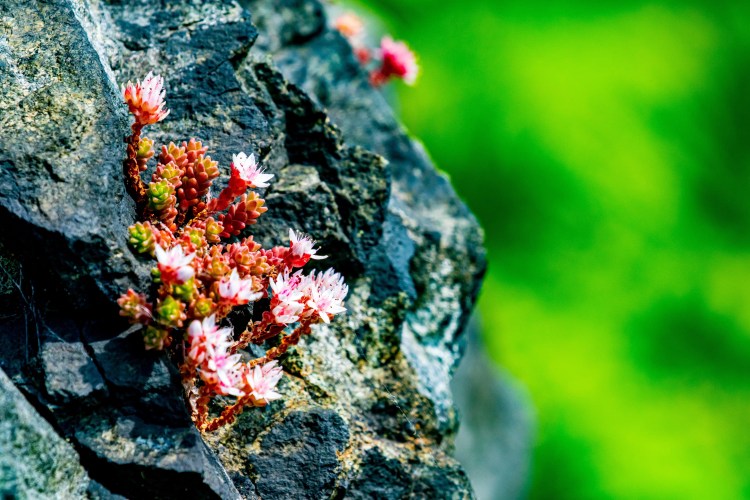
Nearby rocky crags had lovely wildflowers growing out of the cracks. Not my specialty but I think this is English Stonecrop.
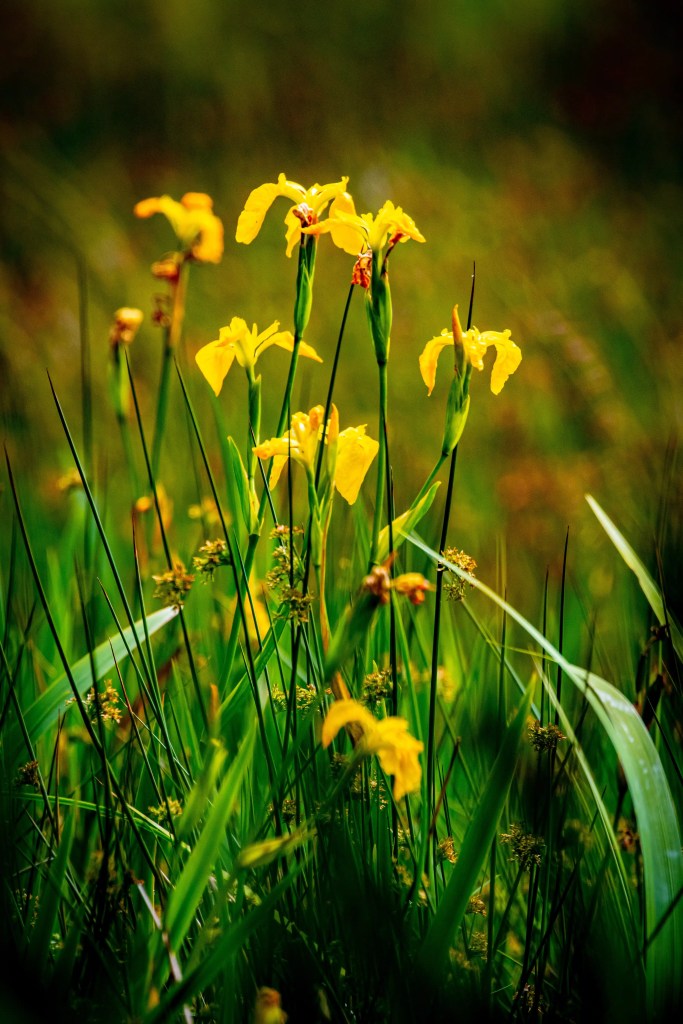
Another distinctive flower of Mull was the Iris meadows found around most river mouths. Corncrake are occasionally heard from this habitat but not by us this week.
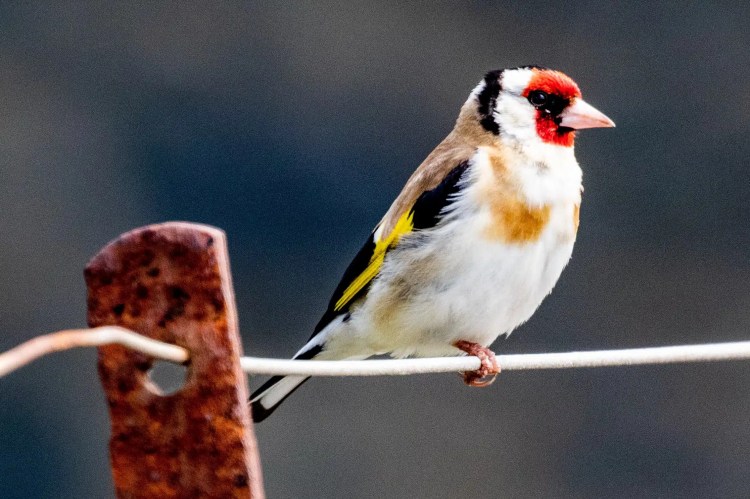
Goldfinch and Lesser Redpolls flew around the nearby field and briefly landed on the nearby fence.
We returned to the main road after leaving the shores of Loch Spelve. The road ascends to a small pass. It was early afternoon now and the sun was beating down hard and the thermals were getting established. Whilst driving we saw a brief raptor pass behind some trees. We pulled over and before long were watching a Golden Eagle along with 9 Buzzards soaring in the thermals. The Golden Eagle was having a hard time being mobbed and had actually lost one of its tail feathers.
Whilst on Mull, we enjoyed a fantastic boat trip whale watching from Tobermory. We also spent a day photographing Golden Eagles and other birds of prey. I hope you have enjoyed this summary of my week enjoying wildlife on Mull.
I am available as a wildlife and photography guide on Mull. If you are interested please get in touch
Discover more from WildScot Photography
Subscribe to get the latest posts sent to your email.
Great description and especially like the stonechat on the foxglove.