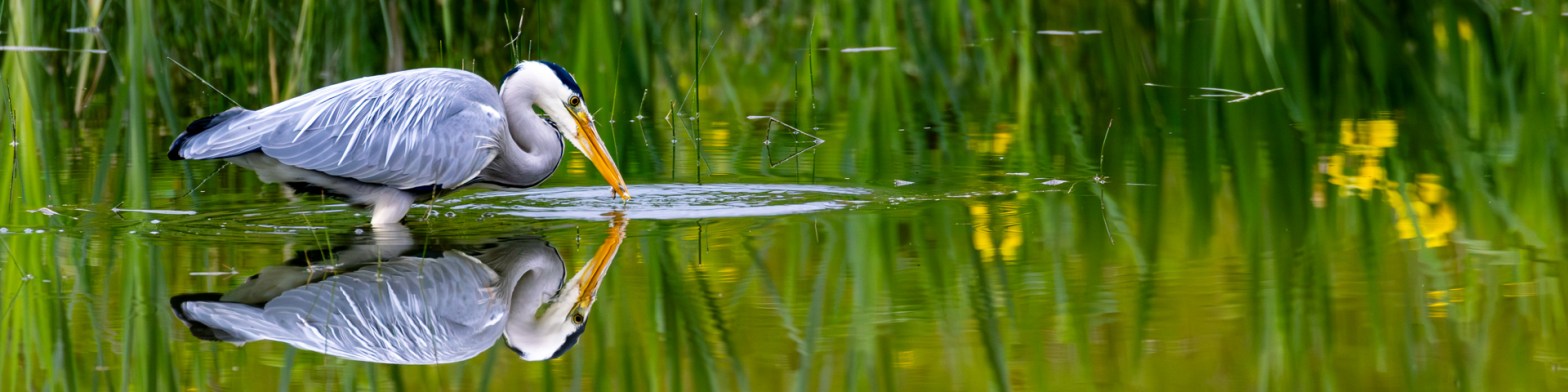
Scotland wildlife photography workshops
Wildlife photography workshops built around you
Whether you are just starting out in wildlife photography or have many years experience, my wildlife photography workshops are built around you. I respond to your experience, confidence, skill level and your interests.
Every workshop is designed to help with three things.
First, for you to get better photographs.
Second, you to become a better photographer.
Third, you to have a memorable wildlife encounter.
Sometimes the memories of a wildlife encounter end up being more important than the photos. All my workshop are built around small group or one to one tuition, realistic learning objectives, and strong wildlife ethics.
Explore each category of Scotland wildlife photography workshop below to find the right fit for you.
Getting started workshops

These Beginner Scottish wildlife photography workshops are perfect if you’re new to wildlife photography. I will help you build your confidence and skills with your camera.
These workshops focus on wildlife photography fundamentals—helping you move beyond auto mode and start taking control of your photography.
You’ll learn how to:
- Setup your camera for wildlife photography
- Apply the exposure triangle in the field
- Improve your composition and use of light
- Capture sharp, well-exposed images
- Use your camera with greater confidence
Michael provided a great balance between letting us practice and gentle instruction with knowledge that only comes from real experience.
Mark (Beginner woodland workshop)
There’s no pressure, no jargon—just clear guidance in a supportive environment.
Develop your skills workshops
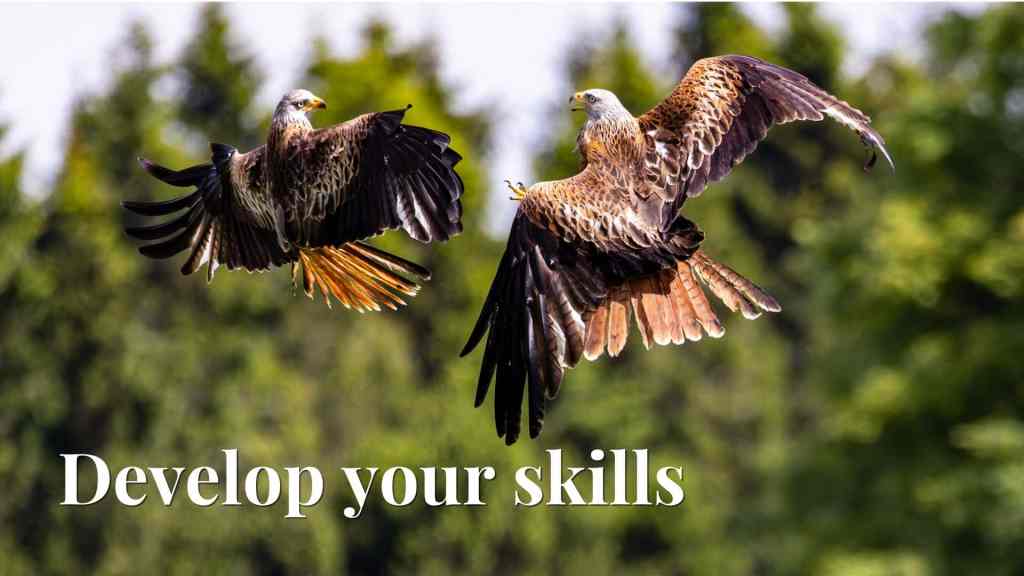
These wildlife photography workshops are designed for photographers who understand the basics and want to take their images, and photography, to the next level.
These workshops go deeaper into specific skills that will help you get better wildlife photos. For example:
- Reading animal behaviour and fieldcraft
- Improving composition and storytelling
- Working with changing light and weather conditions
- Trying new techniques (e.g. slow shutter speeds, intentional camera movement, high/low key)
- Increasing the variety and quality of your portfolio
If you have been photographing wildlife for a while and want to improve your skills, these workshops are for you.
Species workshops
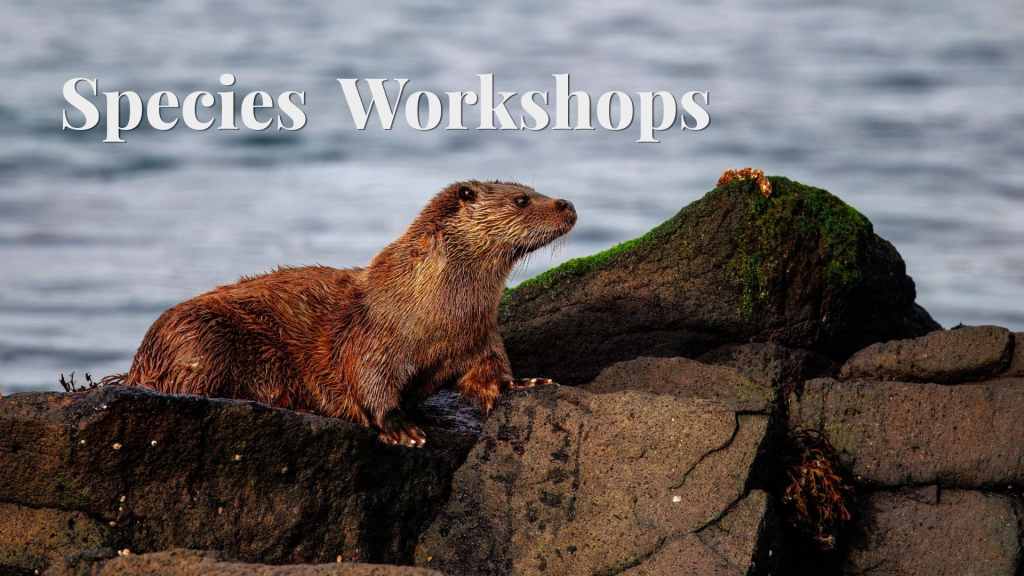
Each of these workshops focuses on a specific Scottish species and capturing a great range of images for your portfolio.
Different species have unique requirements, habitats, locations and seasons that work best. But all species workshops aim to:
- Increase your knowledge and appreciation of the target species
- Give a memorable encounter with the natural world
- Apply the appropriate fieldcraft and wildlife ethics
- Use the right photographic techniques to get a range of compelling images
Some of these workshops are particularly suitable for beginners whilst others need more experience. This is explained on each workshop page. It is sometimes possible to include elements of the other two workshop categories. But, this is not the primary focus.
What to expect from all my workshops?
All my wildlife photography workshops are built around you and designed to help you get better photos, become a better photographer and have a meaningful encounter with wildlife. These three goals drive how I design each workshop.
Beyond that I pride myself in small group workshops which enable me to give support more specific to you and your needs. This will include sharing some ideas together as a group but also spending time with each participant on a 121 basis.
I am also available before and after the workshop and seek to communicate promptly to answer any queries or questions you may have. You may also want to see my Frequently Asked Questions page.
Still not sure where to start?
If you are still unsure what workshop is right for you just get in touch. I’m happy to point you in the right direction based on your experience and interests.