Improve as a wildlife photographer – photographing waders and seabirds
Coastal workshop for beginners
If you are fairly new to wildlife photography then this workshop is for you. It is designed to help you improve as a wildlife photographer whilst also providing a fun day enjoying coastal wildlife. You will learn to identify and photograph waders and other seabirds. My goal is to give you the confidence to photograph nature and gain the skills and experience to become a better wildlife photographer. We will focus on photographing birds and animals whilst walking around a stretch of coast in central Scotland. Help will be on hand throughout the workshop to help you with camera settings and supportive tuition.
I have three priorities for all my workshops. The first is to help you get better photos. The second is to support you to become a better photographer. The third is to have a magical encounter with nature.
Target species – waders and coastal ducks
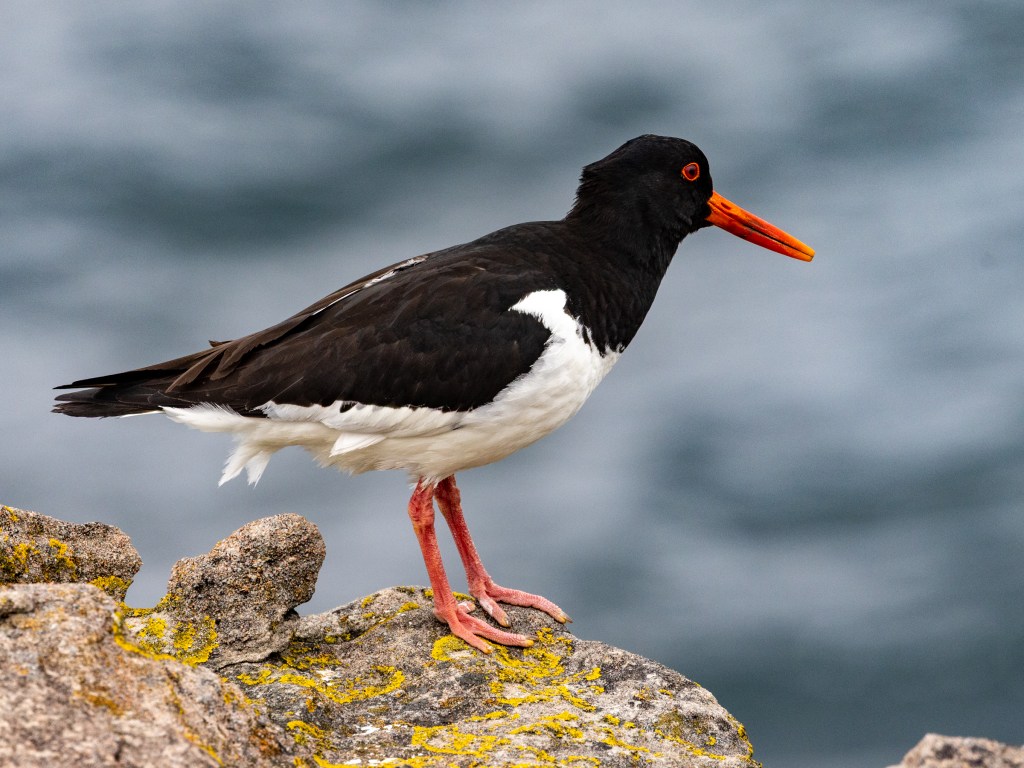
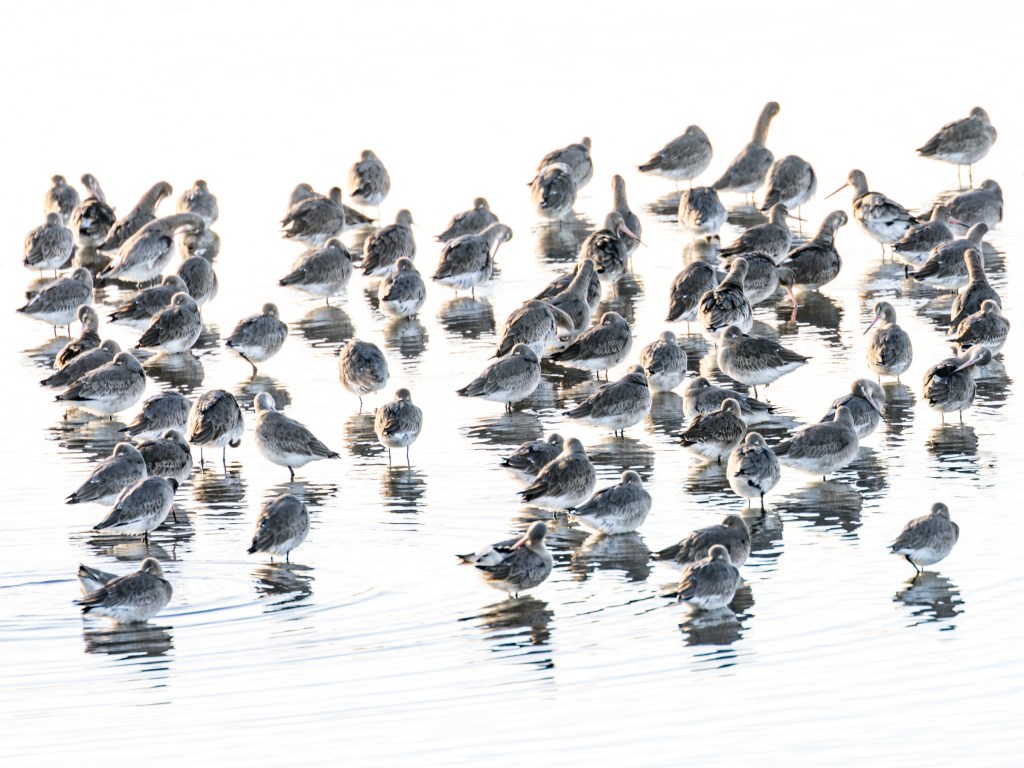
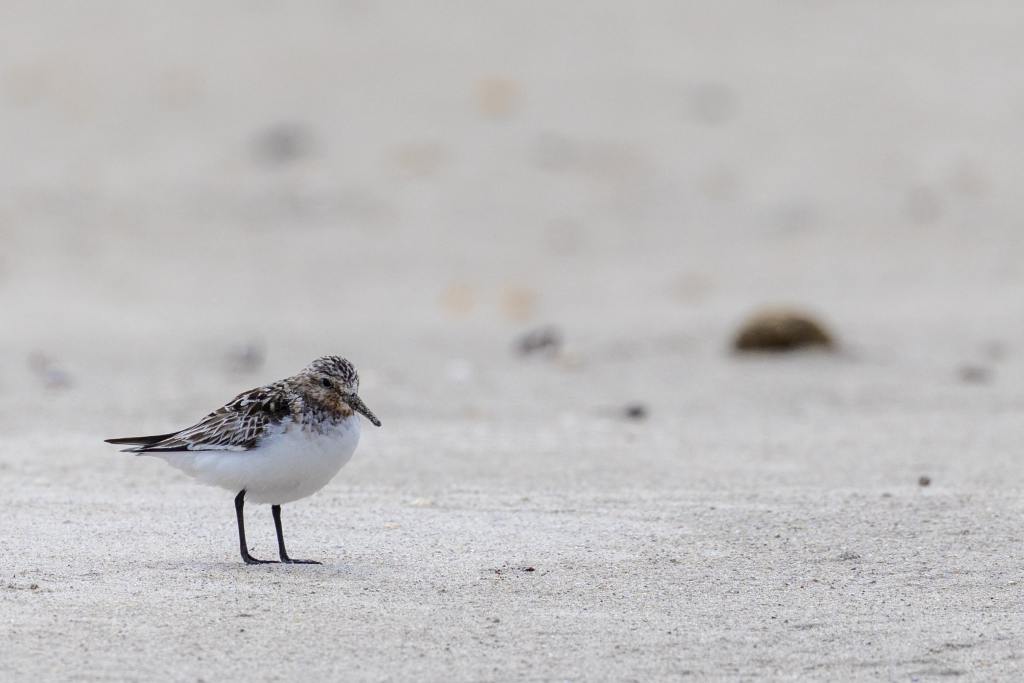
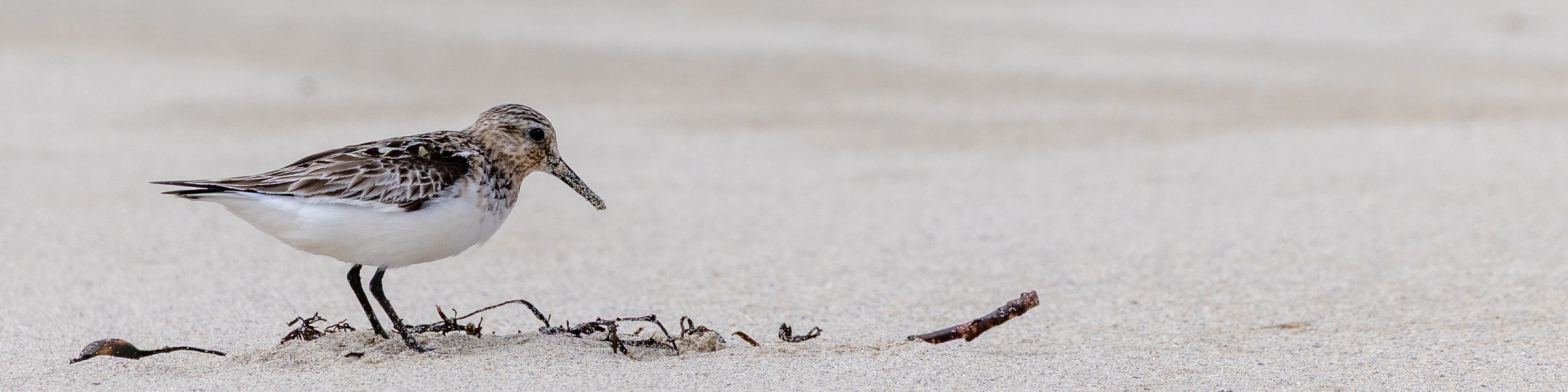
On this workshop you will have lots of opportunities to photograph waders and other seabirds. Typical species we might see and photograph on this workshop include waders such as Curlew, Oystercatcher, Redshank, Lapwing and Black-Tailed Godwit and coastal ducks including Eider, Goldeneye, and potentially Long-Tailed Duck or a Scoter species. It might also be possible to photograph Roe Deer present in this location or bird species such as Goosander, Grey Heron, Kingfisher, Sparrowhawk, Kestrel, Buzzard or even a Peregrine Falcon. Whilst no individual species can be guaranteed (it is wildlife after all), we won’t be short of great wildlife to photograph.
When new photographers photograph waders identification can be challenging so we can also learn better bird identification skills to support your wildlife photography journey. As well as a host of easy to intermediate photographing opportunities as these species feed or rest we may be able to progress to photographing them as flocks in flight which can provide a good entry point for bird in flight photography.
Habitat – Coastal
This workshop will be based at Musselburgh Lagoons. This offers a fantastic mix of coastal habitats including river mouth, mudflats, sea wall and coastal lagoons. I may also use a combination of Skinflats and Kinneil Lagoons (near Falkirk) for this workshop if conditions mean that there is likely to be more wildlife in these locations. Both these locations have been selected as they have a lot of opportunities to photograph waders and sea ducks at this time of year and provide plenty of opportunities to practice our photography skills together.
The setting allows for close, natural encounters, perfect for beginners looking to build confidence and capture compelling images. With a coastal habitat it is important to time the workshop for an incoming tide which is why the start time for this workshop will vary.
What you’ll learn
This workshop is ideal if you’re new to wildlife photography or want to strengthen your core skills. We’ll cover:
- Camera setup made simple
- Aperture, shutter speed, ISO explained clearly
- How to achieve sharp, well-exposed images
- Basic composition techniques for wildlife with particular focus on how to photograph waders and seabirds
- The importance of good fieldcraft in coastal photography
- Getting to know your subject – identification and beyond – how to predict and anticipate behaviour
- The importance in tide times, wind direction and other factors in coastal wildlife photography.
- An introduction into birds in flight
There will be plenty of hands-on guidance throughout the day. You will be part of a small group. This means there will be opportunities for one-to-one support. This support will help you get the most from your camera.
Example images
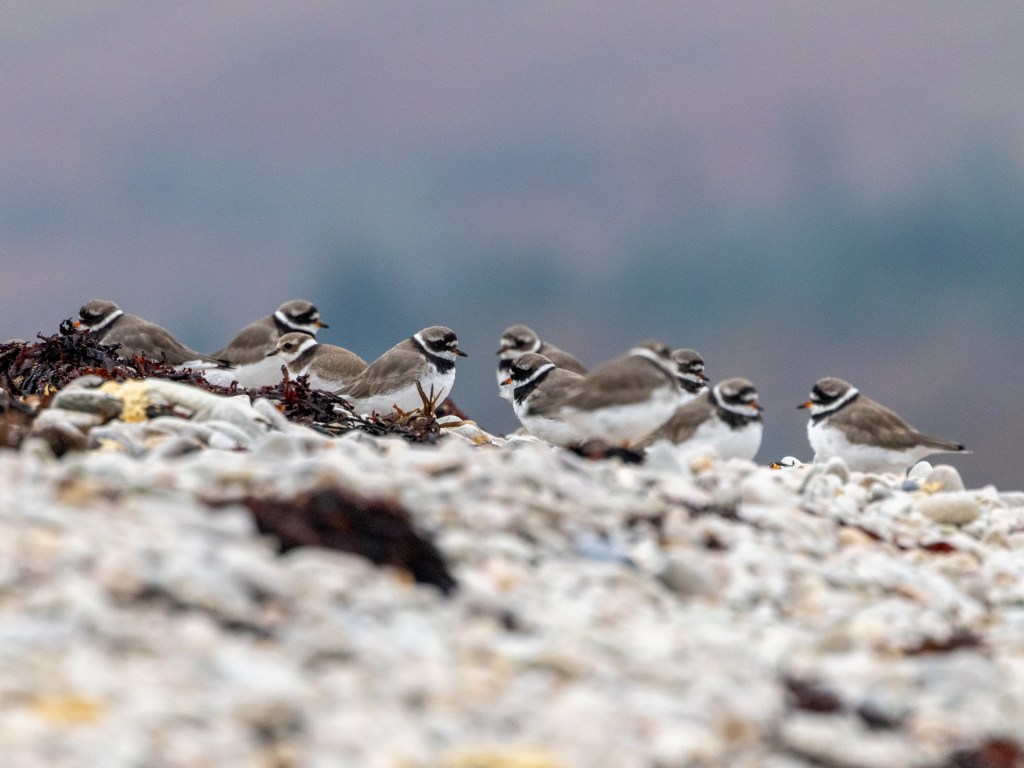
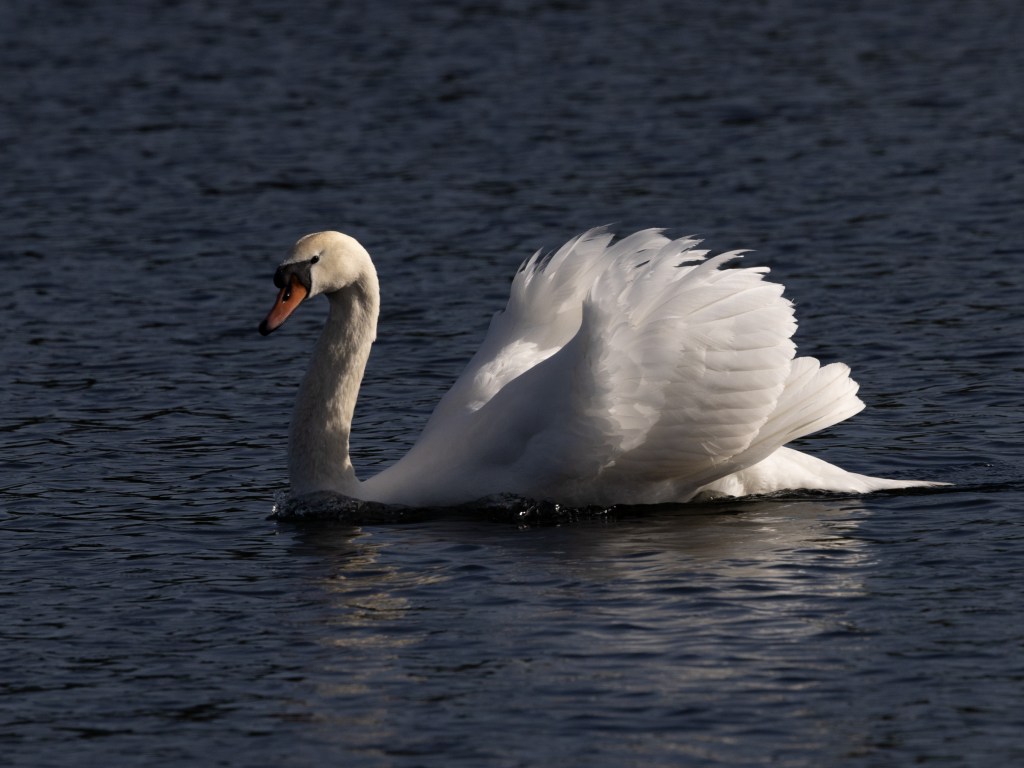
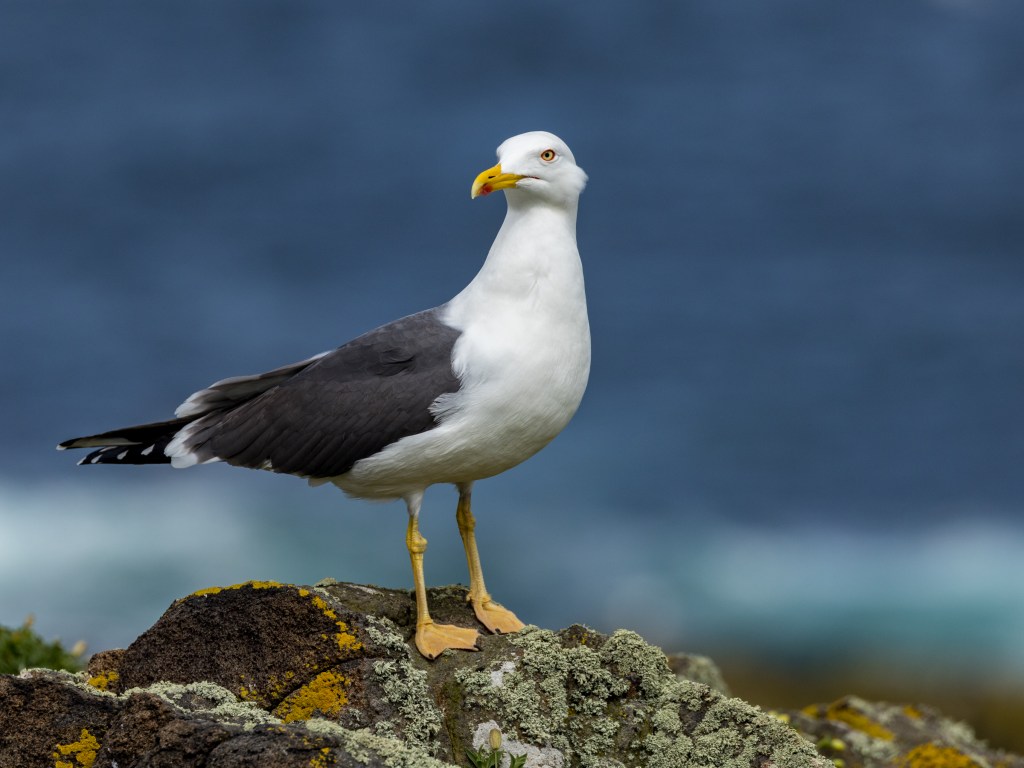
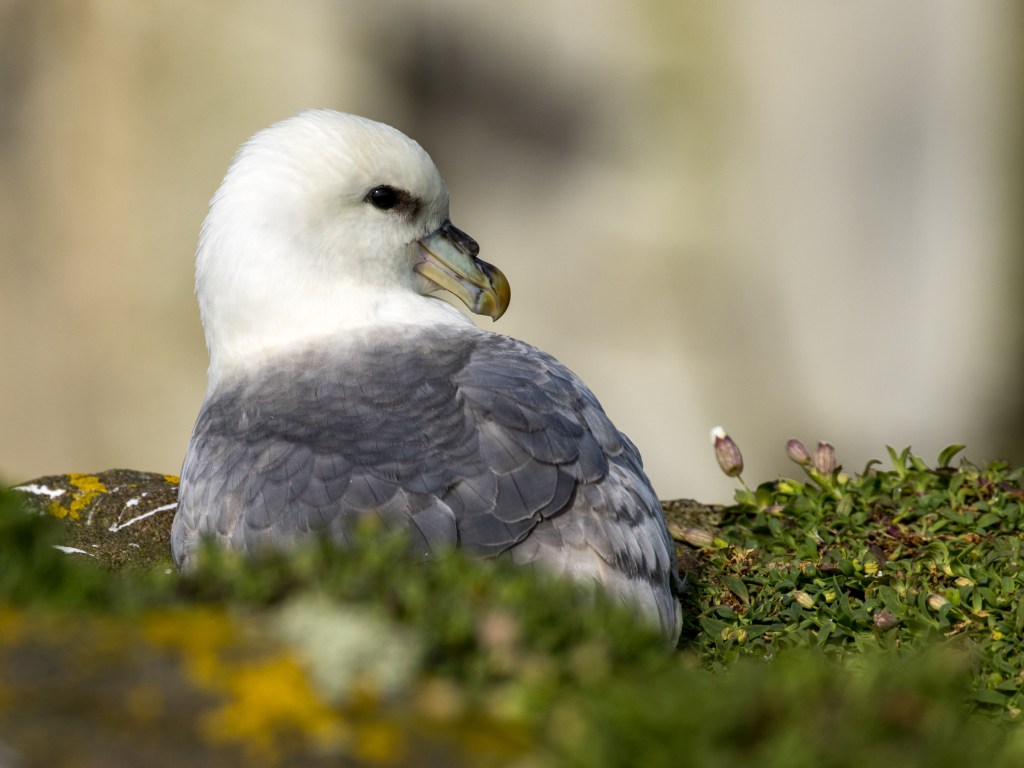
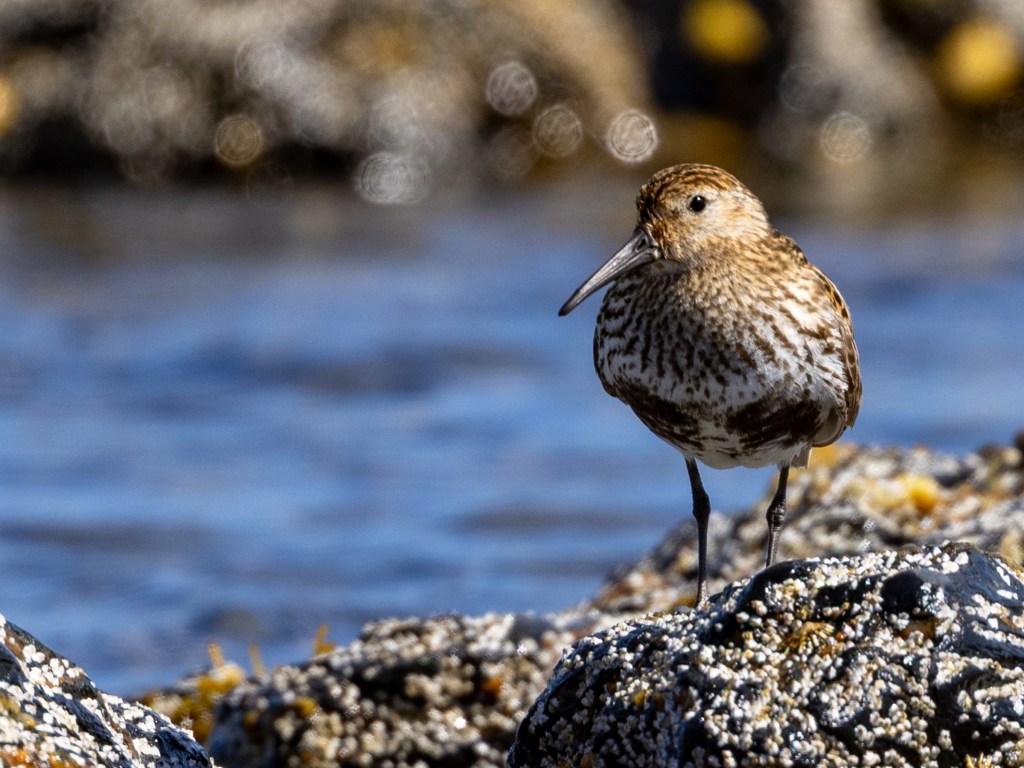
Here are a sample of images I have taken at coastal locations, like the ones we will be using. This shows the range of species you can expect to see.


What to expect on the day
This is a practical, field-based wildlife photography workshop with expert guidance throughout. This is the best way to learn wildlife photography:
- Welcome and introduction
- How to setup your camera for wildlife photography
- Guided shooting session as we walk along the coastal locations
- Ongoing tuition and feedback as you shoot
- Identification challenges when we photograph waders and seabirds
- Opportunities to ask questions throughout
- Debrief and review of images – tips to improve in the future
The pace is relaxed, allowing plenty of time to learn, apply in practice and enjoy the experience.
Group size
I focus on small groups as this is the best way to learn wildlife photography:
- Small group allows personal coaching
- At least 2 for workshop to go ahead
- Max group of 4 people
Who this workshop is for
This workshop is for you, if you are setting out to learn wildlife photography:
- A beginner or intermediate in your experience of wildlife photography
- New to using manual or semi-manual settings
- Wanting to gain confidence photographing wildlife
- An interest in how to photograph waders and seabirds
- Looking to improve your growing photography skills including fieldcraft.
You don’t need prior experience—just enthusiasm and a willingness to learn.
We will be walking a few miles on this workshop so please let me know in advance of any accessibility needs.
Accessibility
This workshop can be adapted for those with accessibility limitations (for example users of a power chair or wheel chair). Please get in touch to discuss your requirements. I am committed to making my workshops as accessible as possible – everybody should be able to learn wildlife photography. Please see my accessibility policy for more information.
Recommended equipment
You don’t need the most expensive camera to take part and start to learn wildlife photography. But ideally, you will have:
- A DSLR or mirrorless camera
- A telephoto lens (something with a range of 100–400 mm is ideal)
- Spare batteries and memory cards
- Clothes suitable for the weather
If you’re unsure about your gear, feel free to get in touch before booking. I will be happy to help you.
Location
My first choice location for this workshop is Musselburgh Lagoons. This location has been carefully selected for the accessibility along with the variety of wildlife present. If other locations have better wildlife, I may use other location in Central Scotland (e.g. Kinneil Lagoons and Skinflats) but plenty of notice will be provided. These are all excellent locations to see and photograph waders and seabirds.
The RSPB give a good overview of Musselburgh Lagoons.
Ethical approach
Respect and protection of wildlife is at the heart of everything I do and that is a particular issue when we photograph waders and other migrant birds. This workshop follows a strong ethical approach to have minimal disturbance and a positive experience for both wildlife and participants.
Booking & availability
All workshop bookings are subject to our standard terms & conditions.
Small Group Workshops – £70 per person
Availability is limited. This is because I keep groups small so that you enjoy personal tuition and the highest quality experience. I recommend you book in advance.
Private Workshop – £180 per booking
Alternatively I can offer bespoke private workshops tailored to your specific needs. I can often offer these at shorter notice. This is because, I do not need to get other bookings to make workshop cost effective.